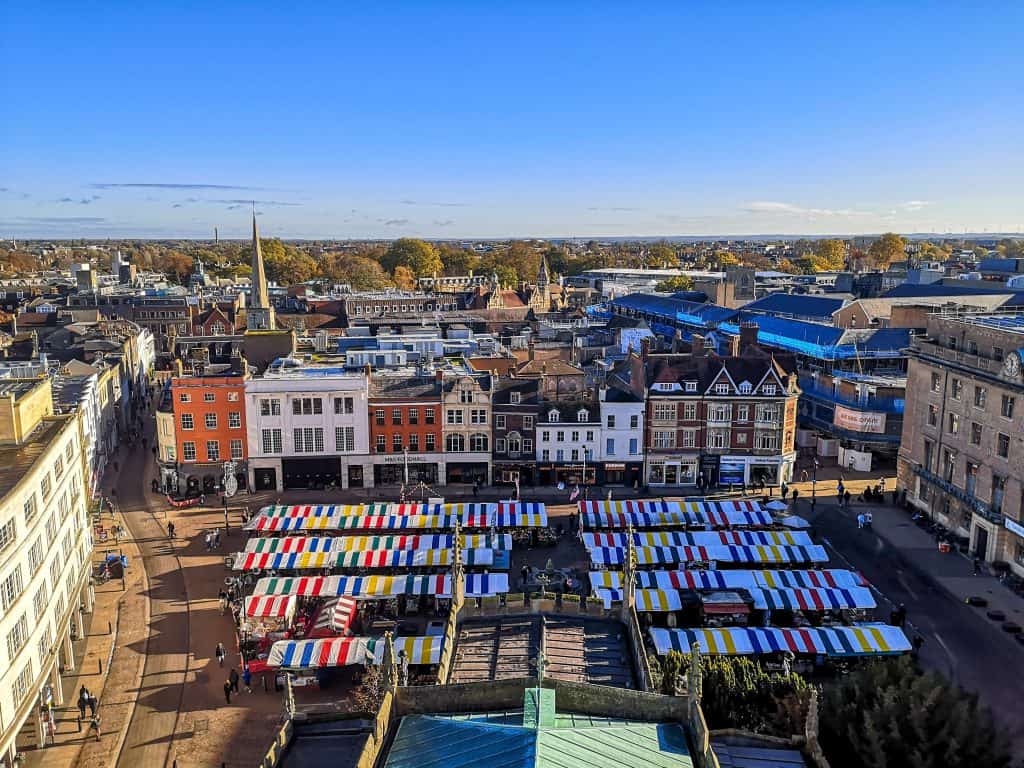
East Anglia, true to its name, is located in the easternmost part of England, just a 2-hour train or car ride from London. It offers a unique experience despite the absence of mountains. Its rich historical heritage, charming beaches, and quintessential countryside feel makes it a perfect choice for a delightful weekend break. Do visit East of England, you won’t regret it.
East of England has been our home for the last few years, and we have explored every bit of this area. It is a great place to visit if you want to escape from busy city life and are keen to explore the quiet countryside with welcoming towns and friendly locals. In this blog, we’ll share more about East Anglia, what to expect and why to visit this part of Britain.
East of England Counties
East Anglia, a region rich in history and natural beauty, consists of several counties, each with unique charm.
- Norfolk is the heart of the Broads National Park, offering a labyrinth of waterways and lakes. You’ll see flat landscapes perfect for cycling and boating. Norwich’s cathedral city provides a cultural centre of arts and gastronomy.
- Suffolk has a more undulating terrain, with the main town of Ipswich and the historic coastal jewels of Aldeburgh and Southwold. The blend of countryside and coastline presents a fantastic British seaside experience.
- Cambridgeshire is known for its prestigious university city, Cambridge. Punting on the River Cam is iconic, as is the city’s stunning architecture. The surrounding countryside is dotted with cute villages and fertile farmland.
- Essex shares in East Anglia’s diverse character with its bustling towns like Colchester and Chelmsford. It’s a county where you can explore Roman history and enjoy contemporary arts, with a surprising amount of rural landscapes and a significant coastline.
History of East Anglia
East Anglia is a region with a rich history. This area was initially inhabited by the Iceni tribe, famously led by Queen Boudica, who revolted against Roman rule in the 1st century AD. After the fall of the Roman Empire, East Anglia became a kingdom in its own right during the Anglo-Saxon period, known for its rich cultural heritage and influential kings like Rædwald, who was buried with his ship at Sutton Hoo.
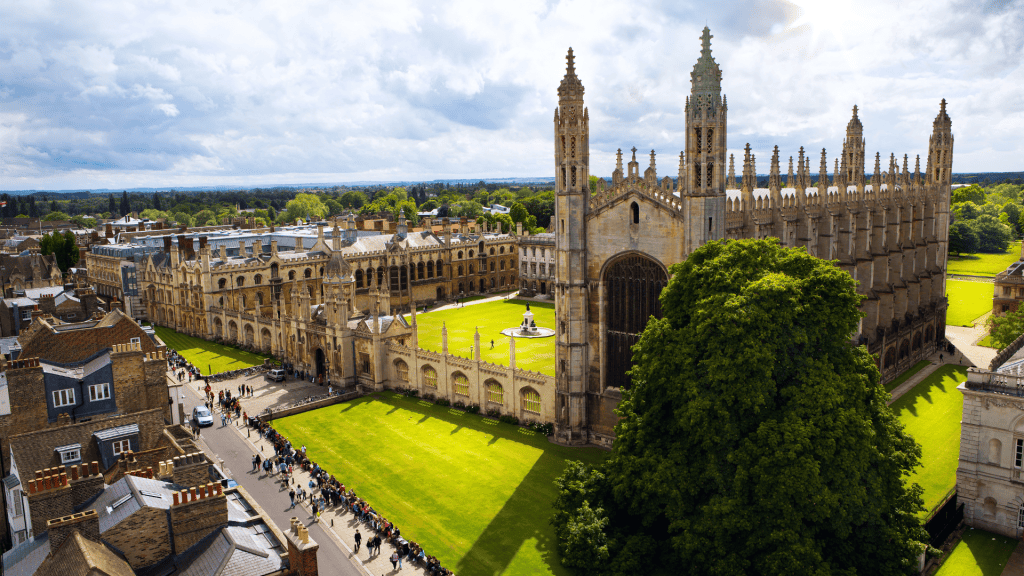
The area’s name, East Anglia, is derived from the Angles, one of the Germanic tribes that settled there and gave England its name. Throughout the centuries, East Anglia thrived due to its fertile land and trade connections. Despite its peaceful rural image today, it has been a scene of historical events, including establishing the University of Cambridge. Due to its rich history, East Anglia is a great place for all history lovers.

How to get to and around East Anglia
The suggested mode of transport in East Anglia largely depends on the areas you plan to visit. Our suggestion would be to have access to a car. Having a car is a must for exploring the picturesque countryside, historic towns, and secluded beaches, as it offers the best flexibility and access to more remote areas.
However, trains are perfect for visits to larger cities like Norwich or Cambridge.
- You can get to places like Cambridge, Norwich, Colchester, and Ipswich by a direct train from London King’s Cross or London Liverpool Street in only 1-2 hours. From here, you can travel further.
- To visit the cliffs of Sheringham or Cromer, you’ll change in Norwich. To visit eastern beaches and coastal towns, you’ll go to Norwich and change to Great Yarmouth. You can see the coastal area when travelling to Ipswich and changing to Lowestoft or Felixstowe.
- Exploring beaches and cliffs in the north from King’s Lynn is better. You can get there from London by direct train. On the way there, you can stop at places like Ely. From any of these places, you can then travel to more remote places by local bus services.
Cycling is a brilliant choice for those who prefer an environmentally friendly type of transport or enjoy active travel. With a relatively flat landscape and many dedicated cycle paths, discovering East Anglia on a bike will be a memorable experience.
East Anglia has several international airports. London Stansted & London Luton are the busiest airports, with flights to and from the main European cities. London Southend and Norwich are quiet airports with some flights to European cities. The best airport to fly to when visiting East Anglia is London Stansted as there are direct trains to Cambridge with a travelling time of only 30 minutes. You can easily travel by train from Cambridge to King’s Lynn, Norwich or Ipswich.

Weather in East Anglia and When to Visit
East Anglia is known for being one of the driest and sunniest regions in the United Kingdom, thanks to its easterly position and shelter provided by the mountain range to the west. The weather typically offers mild winters and warm, but not hot, summers. However, being relatively flat and close to the continent, it can have more extreme temperatures, from frosty, chilly conditions in winter to heatwaves in summer.
The ideal time to visit East Anglia is from spring to early autumn, ideally from April to September. During this period, the weather is typically milder and drier, making it perfect for exploring the countryside, visiting the beaches, and attending outdoor events. Summer is particularly brilliant, with numerous festivals and events taking place. When travelling to East Anglia, it’s essential to plan for its variable weather, even in the summer. Pack layers that can accommodate sunny days but also colder, breezy conditions. Especially if you plan to visit coastal areas, even during the summer, there is often a fresh, cool breeze thanks to the North Sea.
Why to visit East of England
1. Natural Beauty & Coastline
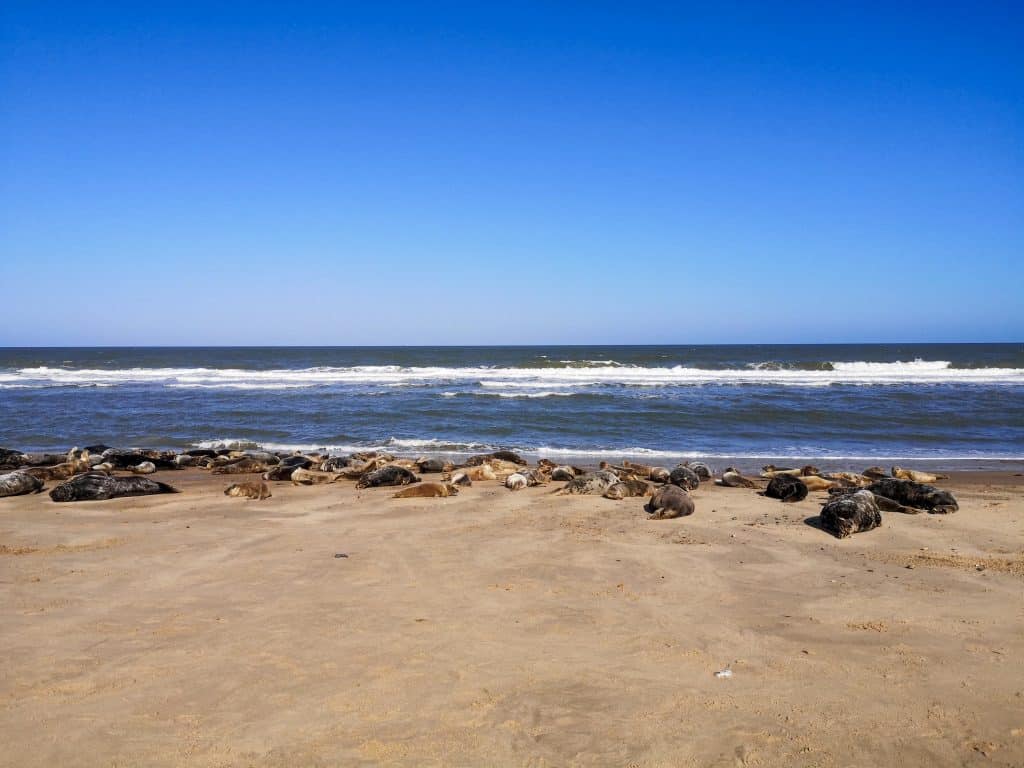
Let’s give you one reason to visit East Anglia. It is its beaches and coastline. In particular, the north and northeast of East Anglia have soft, golden sands or majestic cliffs overlooking the coastline.
The beaches are often nature reserves and attract amazing birdlife, creating a natural paradise. You can easily spend a brilliant day out on the coast. Family-friendly options are also available in coastal towns, offering seaside entertainment. Many beaches hold the Blue Flag status. It means they are clean and safe. The coastal paths provide stunning views. It’s a perfect place for beach lovers and outdoor adventurers. East Anglia has one national park, The Broads National Park, which is fantastic for birdwatching and wildlife. It also has many natural reserves and areas of outstanding beauty. One of the hidden gems without a doubt is Dedham Vale AONB.

2. Culture, Arts, Events & History
East Anglia has a vibrant arts and music scene that shows its diverse and dynamic culture. Numerous art galleries and live music venues cater to a wide range of tastes. Annual festivals and events celebrate both the visual and performing arts, offering platforms for local and international artists.
East Anglia is also home to a rich architectural heritage. From the majestic cathedrals and historical universities to the mediaeval timber-framed houses, the architecture here tells stories. The landscape is full of historic estates, castles, churches and windmills reflecting the region’s history.
East Anglia is rich in local traditions that have been preserved over centuries. Seasonal traditions, such as the folk dance Molly Dancing, stand out. The tradition of dwile flonking, a humorous pub game, showcases the region’s quirky pastimes. Harvest festivals are also fantastic. Communities come together to celebrate and give thanks for the yield of their fields. These customs, together with the maritime heritage celebrated in coastal towns, contribute to the uniqueness of East Anglian culture.

3. Culinary Delights
East Anglia’s cuisine is a blend of tradition and the produce of its land and surrounding seas. With its rich agricultural heritage, this region offers various fresh ingredients that inspire its simple yet hearty dishes. The typical dish everyone should try while visiting East Anglia is the Cromer crab, famous for its sweet, tender flesh. Suffolk pork is another regional dish, often part of roasts and savoury sausages. The region is also renowned for its cheeses, like the pungent Stilton. As for sweets, Suffolk Rusks or the Norfolk treacle tart are things you should try.

4. Adventure and Activities
East Anglia is perfect for walking and cycling. As for water sports, it’s paddleboarding, kayaking or canyoning. Boating is particularly popular in the Norfolk Broads, where miles of waterways offer a great experience. Walking around the coast or peaceful countryside where trails go through meadows and woodlands is a fantastic escape from busy day-to-day life. The region offers scenic routes for cyclists, from the Cambridgeshire fens to more challenging paths in the rolling Suffolk countryside. If you love coasts, then we suggest visiting the Suffolk Coast & Heaths AONB or Norfolk Coast AONB.
East Anglia is also perfect for family-friendly activities, including wildlife parks, zoos, interactive museums and castles. Beach days are a must on the Norfolk and Suffolk coasts, always perfect for sandcastle building and paddling and to see the local wildlife – seals. If you enjoy the outdoors, then Thetford Forest, with many bike trails, will be your place. And no family visit to East Anglia is complete without punting on the Cam in Cambridge.
5. Escape to Countryside
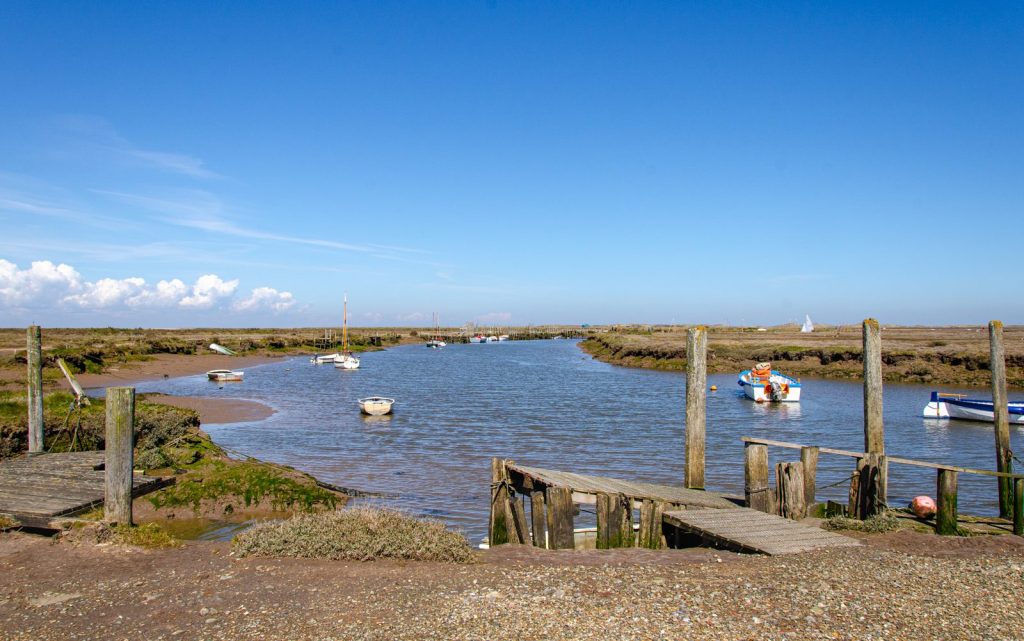
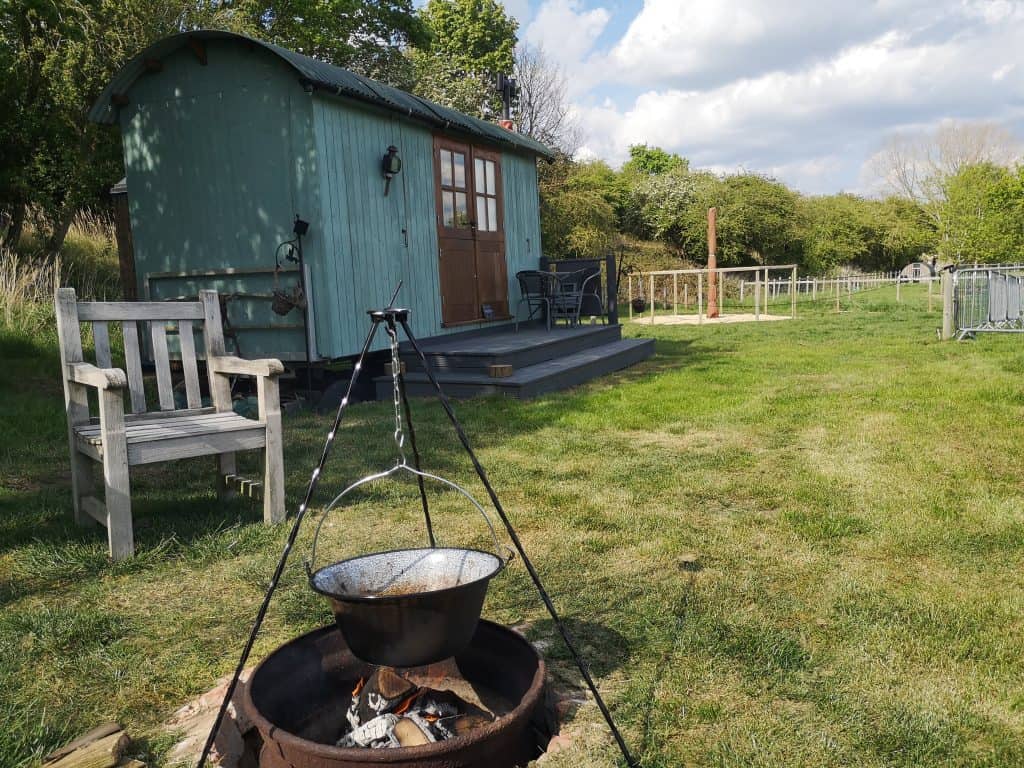
The countryside of East Anglia provides the perfect escape from the hustle and bustle of city life. You can enjoy nature and stay in charming country inns and guesthouses that offer views of the rolling fields and waterways. For a more romantic experience, you can find luxury glamping sites and traditional cottages sprinkled throughout the region. If you love to wake up to the sound of birdsong, East Anglia is a place to go. You can find stays in converted barns, boathouses, castles, eco-friendly lodges or even a windmill.
6. City Breaks or Ultimate Roadtrips
Visiting East Anglia is perfect for a weekend getaway. Spending a weekend exploring the university town of Cambridge and other bustling towns and cities of East Anglia is a great experience. Alternatively, spending time near the coast or somewhere in the middle of the countryside will help you to unfold and treat yourself to a peaceful weekend.
East Anglia is also perfect for a road trip. It is an excellent way to experience the region’s diversity at your own pace. A road trip here promises the pleasure of coastal drives along the North Sea, the discovery of hidden gems like the market town of Bury St. Edmunds, and the ability to time your journey with the many festivals in the region.