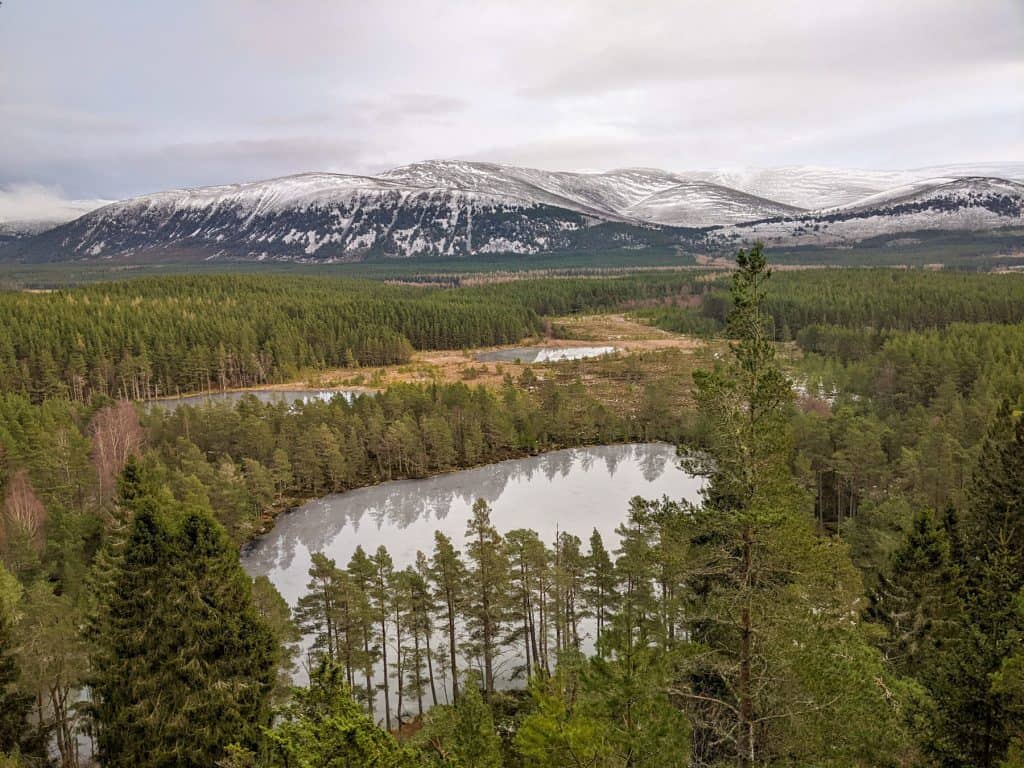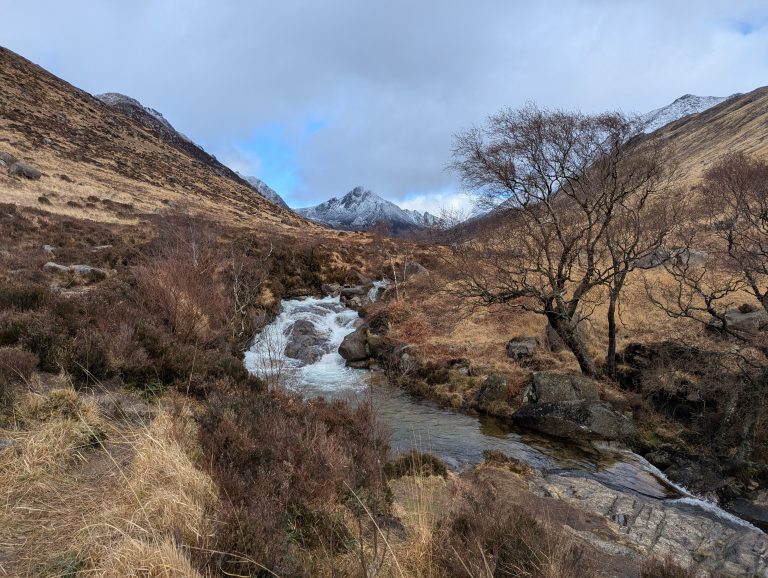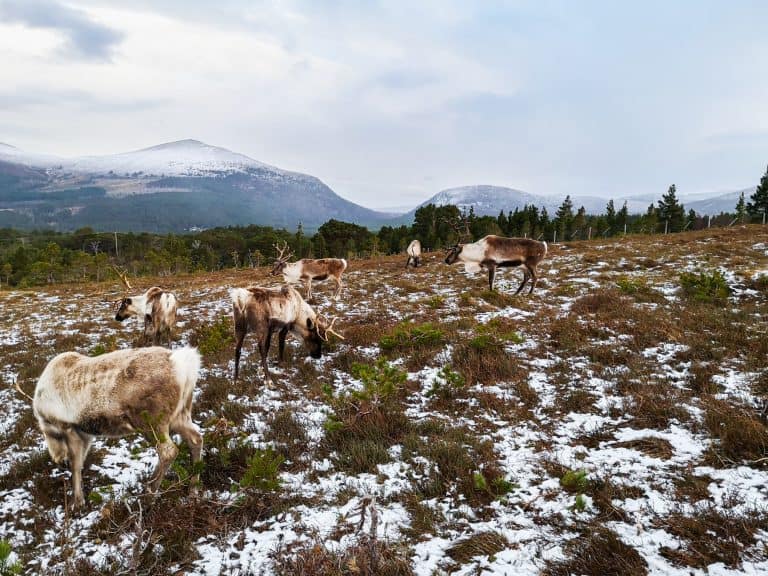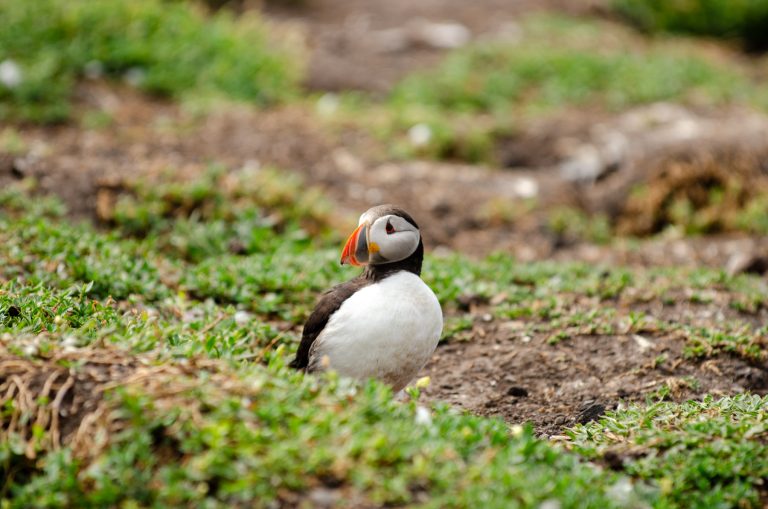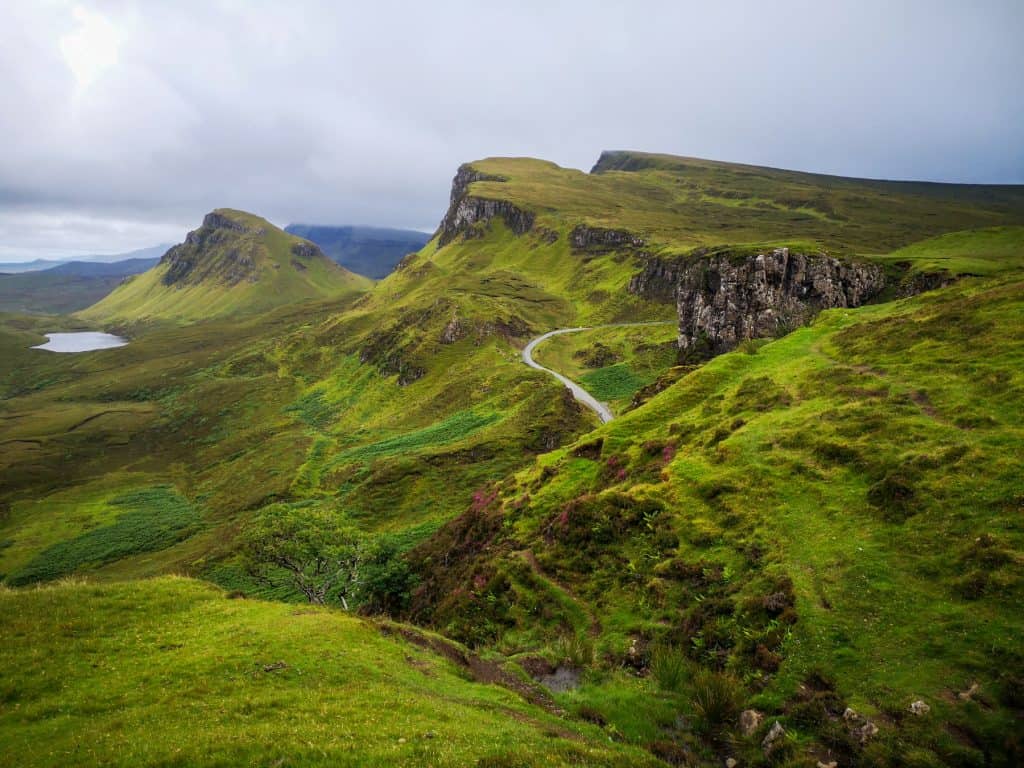
The Isle of Skye is like a world where ancient legends and stunning scenery come together. As the largest island in Scotland’s Inner Hebrides, it offers scenic mountain views, a beautiful coastline, and countless hiking trails – perfect for anyone dreaming of escaping day-to-day life. Yet, it’s not just the natural wonders that make Skye special. Gaelic traditions are still alive in local communities, and you can often hear traditional music in the local pubs. You’ll feel welcomed by the local people and the island’s rich heritage. We visited Skye in July a few years back and cannot wait to return there one day. Here’s our ultimate Isle of Skye Guide.
Where Is the Isle of Skye?
The Isle of Skye is situated off the northwest coast of Scotland. Connected to the mainland by the Skye Bridge at Kyle of Lochalsh, it’s around a five- to six-hour drive from Glasgow or Edinburgh. Despite its remote feel, Skye is surprisingly accessible by car, train, or ferry.
Is Isle of Skye Worth Visiting
Without a doubt, absolutely yes! Here are the main reason why is Isle of Skye worth visiting:
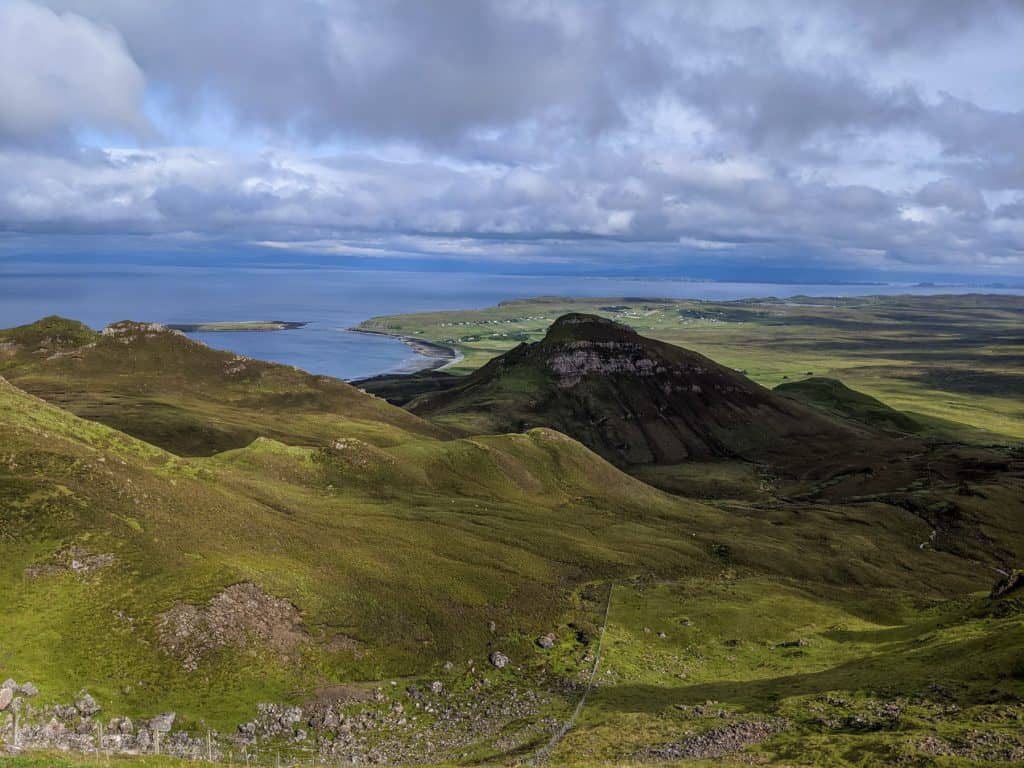
1. Breathtaking Landscapes – The Isle of Skye is synonymous with breathtaking scenery. From rolling hills to mysterious rock formations, every corner of the island tells a story that stretches back millions of years. Wild coastlines, peaceful lochs, and dramatic mountain ranges create endless photo opportunities.
2. Rich Gaelic Heritage – Rich in Scottish history, Skye remains one of the country’s main areas of Gaelic language and culture. You’ll notice bilingual road signs, hear Gaelic spoken in local communities and experience a deep pride in ancient traditions. This living heritage provides a unique cultural experience you can explore through music sessions in local pubs, storytelling events, and visits to historic castles.
3. Outdoor Adventures – Whether you’re a casual walker or a dedicated mountaineer, the Isle of Skye delivers exciting outdoor adventures. Local hikes offer everything from tranquil strolls to challenging climbs in the Cuillin Mountains.
4.Wildlife Watching – Skye’s wild habitats are home to a surprising collection of creatures. Wildlife lovers can enjoy boat trips to spot seals, dolphins, or even whales along the island’s coastline. Eagles soar high above the cliffs, and red deer and otters can be seen during outdoor adventures.
5. Culinary Delights – Local seafood – langoustines, scallops, fresh-caught fish – is served at everything from fine-dining restaurants to harborside pubs. No trip would be complete without sampling a tiny dram of Talisker whisky, produced at the island’s only single malt distillery.
6. Peace and Remoteness – Despite its growing popularity, the Isle of Skye has a serene, wild character. Venturing beyond the main tourist spots can quickly bring you to hidden coves, quiet glens, and remote stretches of coastline where the only sounds are birdsong and the crashing waves of the Atlantic.
How to Get to the Isle of Skye
Nearest Airports to the Isle of Skye
If you plan to visit the Isle of Skye from abroad, here are the nearest airports.
Inverness Airport is often considered the most convenient airport for reaching Skye. It lies roughly a 2–3-hour drive from Skye. Alternatively, you can take a bus or train from Inverness to Kyle of Lochalsh, and then connect by bus over the Skye Bridge.
Glasgow Airport is located about 5–6 hours from Skye by car. You can also travel by public transport: first take a bus or train to Glasgow city centre, then continue by train to Fort William or Mallaig (for the ferry), or by bus all the way to Skye.
Edinburgh Airport remains a popular entry point for international flights. It’s about a 5–6 hour drive to Skye. From Edinburgh, you can either drive, catch a train to Inverness or Kyle of Lochalsh, or take a long-distance bus that connects with Skye-bound services.
Travelling By Car
Driving is one of the most popular ways to reach Skye, offering you the freedom to stop and admire the ever-changing scenery. Most people cross from the mainland via the Skye Bridge, which connects Kyle of Lochalsh to the village of Kyleakin. From Glasgow or Edinburgh, the drive can take around five to six hours, but many choose to break it up by exploring the Scottish Highlands en route.
Travelling By Public Transport
Travelling to the Isle of Skye by Public Transport
If you are asking: Can I get around Skye without a car? The answer is ‘yes‘, but it won’t be super straightforward.
If you’d prefer not to drive, getting to the Isle of Skye by public transport can be convenient and scenic. One popular route is to take the train from Inverness to Kyle of Lochalsh. From Kyle of Lochalsh, buses operated by Scottish Citylink or Stagecoach connect to Skye via the Skye Bridge. Another option is to travel along the famed West Highland Line from Fort William to Mallaig, then catch the ferry across to Armadale on the southern tip of Skye. This route is particularly picturesque, and during summer months, some trains feature the Jacobite steam service, which film fans may recognise as the “Hogwarts Express” from the Harry Potter movies.
TIP: Whichever path you choose, be mindful of schedules – especially during the low season (autumn and winter) – as train and ferry timetables may be reduced. It’s always best to book your tickets or check schedules in advance.
Getting Around the Isle of Skye by Public Transport
Once you’ve arrived on Skye, a network of local buses operated primarily by Stagecoach serves the island’s main villages, including Portree (the island’s largest town), Broadford, Dunvegan, and Uig. They generally run several times a day between key destinations:
- Portree to Broadford – A regular route that also stops at smaller villages.
- Portree to Dunvegan – Ideal for accessing Dunvegan Castle or continuing on to Neist Point
- Portree to Uig – For visitors heading to the northern Trotternish peninsula or catching the ferry to the Outer Hebrides.
To explore Skye’s most famous spots – like the Old Man of Storr, Quiraing, or Fairy Pools – you might need to combine bus travel with a bit of walking or short taxi rides. In some cases, local tour companies offer day trips that start from Portree and cover multiple attractions in a single day, which can be a convenient option if the bus schedules don’t align well with your plans.
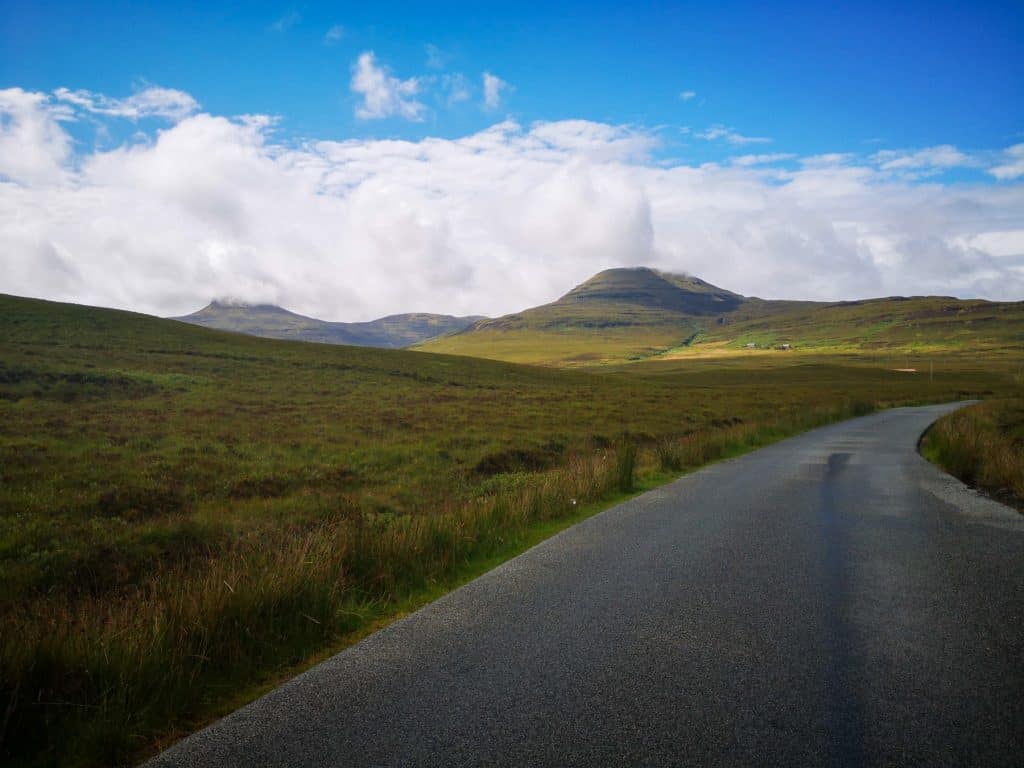
How Long to Spend on Isle of Skye
Determining how long to spend on Isle of Skye largely depends on your travel style, interests, and the pace at which you want to explore. Some people opt for a day trip – usually part of a larger Highlands tour – but this can mean rushing past many of the island’s highlights without truly experiencing what makes Skye special.
If you’re keen to hit the must-see attractions, then three days is a good starting point. This amount of time gives you a reasonable taste of Skye’s diverse landscapes and cultural offerings without feeling overly pressed.
For a deeper dive into Skye’s wild charm, consider five days or more. The extra time lets you explore the more remote corners of the island, take scenic boat trips to spot wildlife, and enjoy quieter trails that sit off the main tourist track. You can also plan around weather changes – giving yourself a day or two of flexibility if the famous Scottish weather decides to make an appearance.
Best Time to Visit Isle of Skye
Spring and Summer (April–August)
April to August is the best time to visit Isle of Skye. The long daylight hours and milder temperatures make these months ideal for hiking and outdoor activities. You’ll catch the island at its greenest, with wildflowers blooming and wildlife appearing after winter’s chill. However, this is also the high season so popular spots can get crowded, and accommodation should be booked well in advance.
Autumn and Winter (September–March)
If you value tranquillity and dramatic landscapes, this could be your perfect time. Autumn brings golden tones across the hillsides, and sunsets create spectacular photo opportunities. Winter, though often cold and stormy, brings a magical silence over the island: roaring fireplaces in cosy pubs, dustings of snow on the Cuillin range, and fewer tourists around. Just be sure to pack warm, waterproof clothing and plan for shorter days and possible travel disruptions due to weather.
Our Tip: According to us, best time to visit Isle of Skye is between May and June or in September to get the best possible weather and enjoy the island fully. July & August will be packed with people. With tiny roads and a few parking spaces available, an idyllic holiday may turn into a nightmare. So try to avoid those two months or make sure you get up very early to be at the busy spots first, then you can chill in the afternoon visiting not-that-famous places.
From October to March, the weather will be wet, cold and miserable. Snow won’t last and days will be short. If this is your first visit to the Isle of Skye or even Scotland, avoid these months. Go there late spring-summer-early autumn to enjoy its beauty.
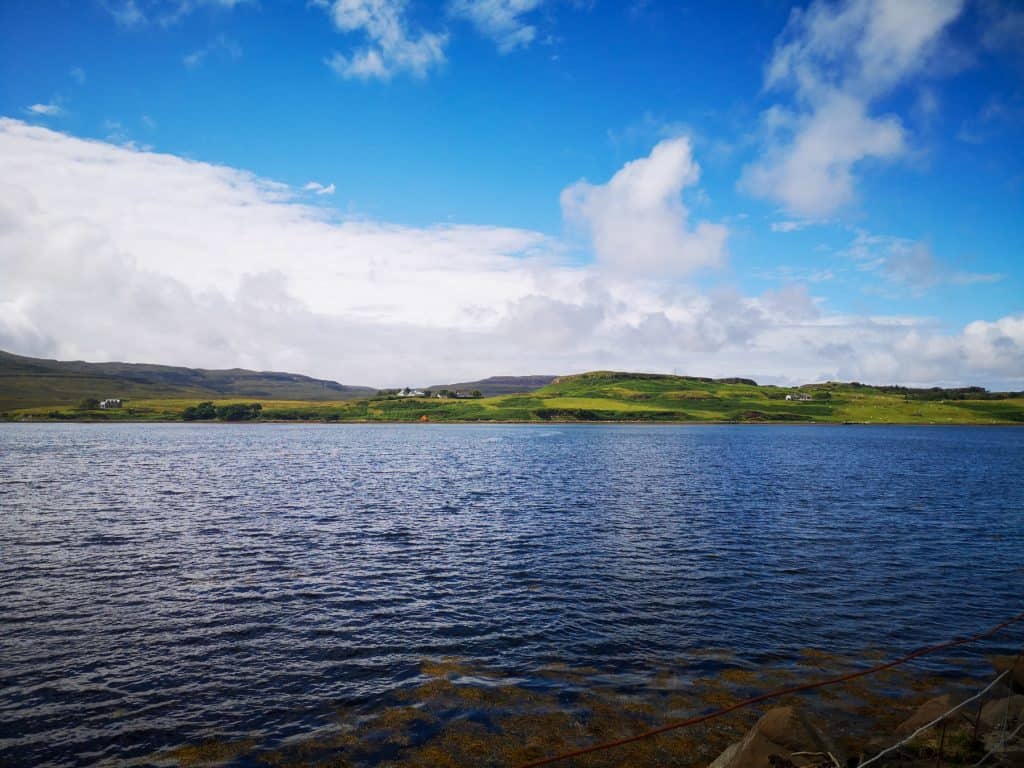
Isle of Skye Guide – Things to be aware of
1. Midges (Tiny Biting Insects)
No Isle of Skye guide would be complete without mentioning these little creatures. From late spring through early autumn, parts of Scotland are home to small biting flies known as midges. These insects are most active around dawn and dusk, especially in damp, still conditions. Tips on how to avoid midges:
- Use insect repellent
- Wear long sleeves and trousers
- Consider a midge head net: This might feel a bit extreme, but in peak season, it’s a lifesaver for hikes or camping
- Avoid sheltered, humid spots at dusk: If possible, choose breezier locations or stay indoors during the worst times of the day
2. Unpredictable Weather
Another important thing to mention in this Isle of Skye guide is the Skye’s weather. It is famously changeable – sunshine can turn to mist and rain in a matter of minutes. Planning and packing is essential:
- Layering is Key: Bring a mix of warm, moisture-wicking layers and a reliable waterproof jacket.
- Sturdy Footwear: Trails can become muddy or slippery, so good hiking boots or shoes with traction are essential.
- Check Forecasts: The local mountain weather forecast can be helpful, especially if you plan to hike the Cuillin range or other higher-altitude areas.
- Plan Extra Time: Weather can affect travel (especially on single-track roads), so build a buffer in your itinerary.
3. Road Safety and Driving
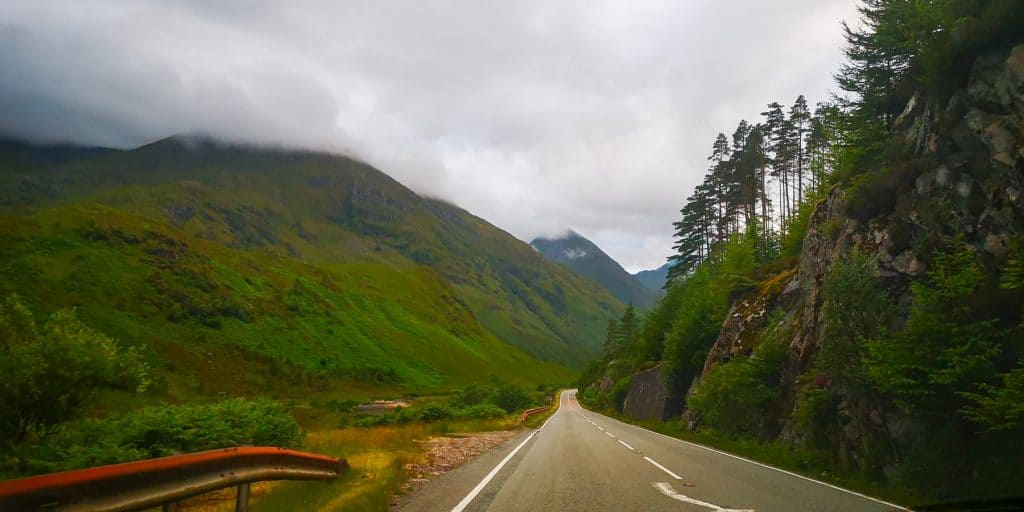
If you’re exploring Skye by car, be prepared for narrow, winding roads. Many routes are single-track with passing places.
- Use Passing Places Properly
- Beware of Wildlife and Livestock: Sheep or Highland cows may wander onto roads; slow down and drive with caution.
- Refuel in Main Towns: Petrol stations are limited outside Portree or Broadford, so keep an eye on your fuel gauge.
4. Crowds and Accommodation
Skye has become an extremely popular destination, especially in summer.
- Book Early: Accommodation and restaurant reservations can fill up quickly.
- Timing Your Visits: Popular spots can get crowded by mid-morning. Arriving early or later in the day often provides a more peaceful experience.
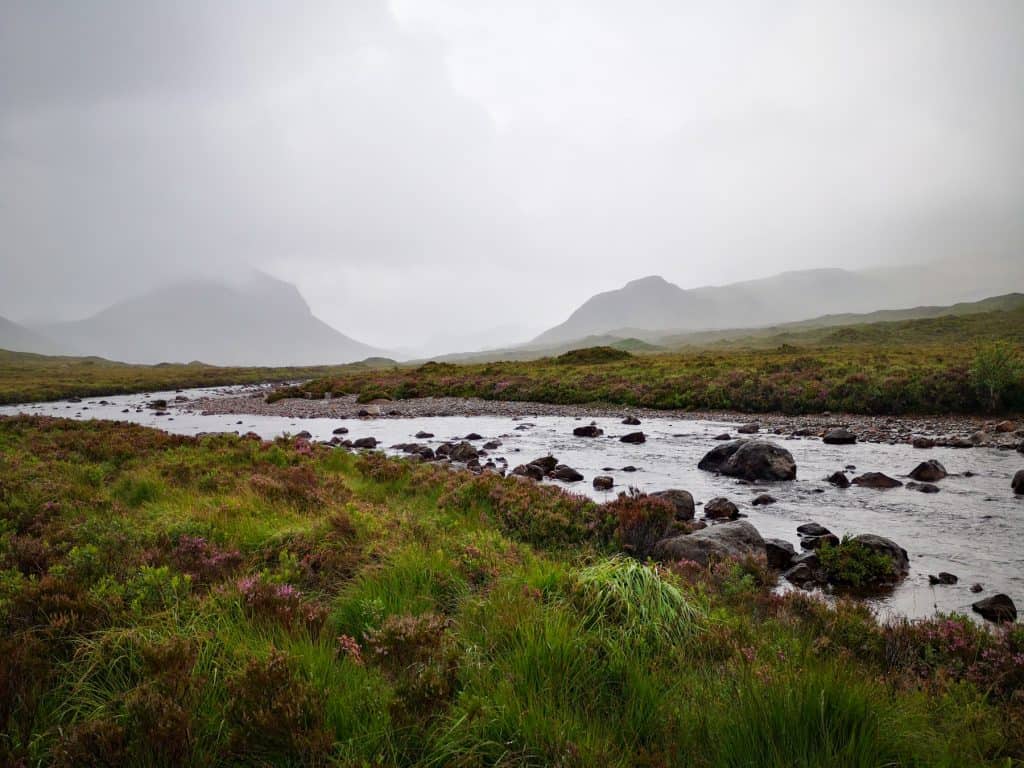
Where to Stay – Accommodation on Isle of Skye
When you arrive on the Isle of Skye, you’ll immediately see why it’s often considered the jewel of the Scottish Highlands. You can find great accommodation on Isle of Skye. Here are some we can recommend. Don’t forget that Isle of Skye is a very dog friendly holiday destination so you can travel here with your furry friend.



If you love a lively harbour scene, Portree – the island’s capital – is your best bet. Its waterfront is lined with charming B&Bs, boutique guesthouses, and friendly pubs where you can socialise with locals and fellow travellers. Area aroudn Portree is the best base for exploring the Isle of Skye.
For a quieter retreat, consider Staffin on the Trotternish Peninsula. Surrounded by coastline and iconic rock formations like the Quiraing, you’ll be steps away from some of Skye’s most scenic hiking trails.
Broadford is another popular choice for those wanting a midpoint to the island’s major sights – it’s also closer to the Skye Bridge if you’re heading out on mainland adventures. And if you’re craving a truly remote experience, look for farmhouse stays or self-catering cottages in the western or northern parts.
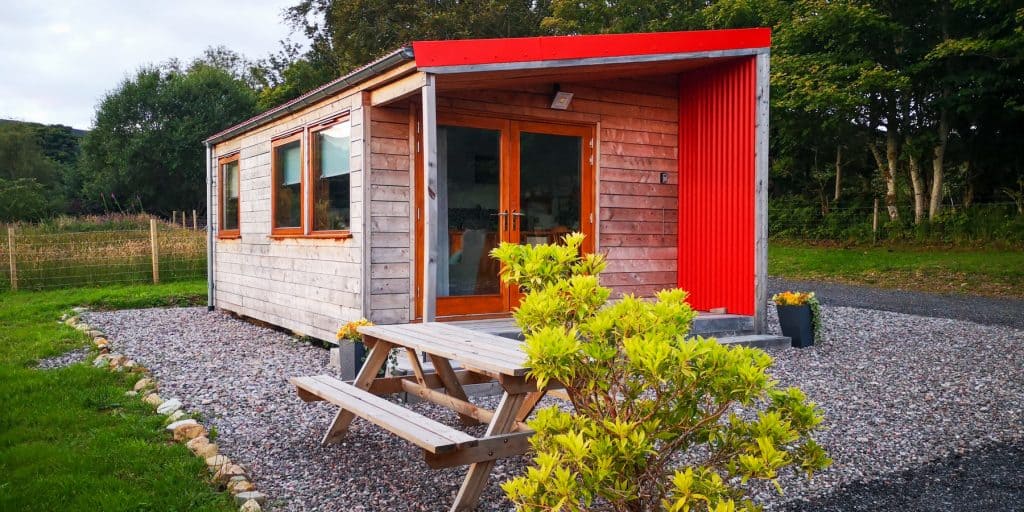
Tip: We suggest when booking an accommodation on Isle of Skye to find one on the mainland as it’s much cheaper. In the area around Kyle of Lochalsh and Plockton, you will find beautiful accommodation for a reasonable price. And it is an additional 15 min drive to the island. We can recommend booking this small shepherd hut.
Where & What to Eat
Skye’s dining scene is known for fresh, local flavours. In this Isle of Skye guide we have to suggest:
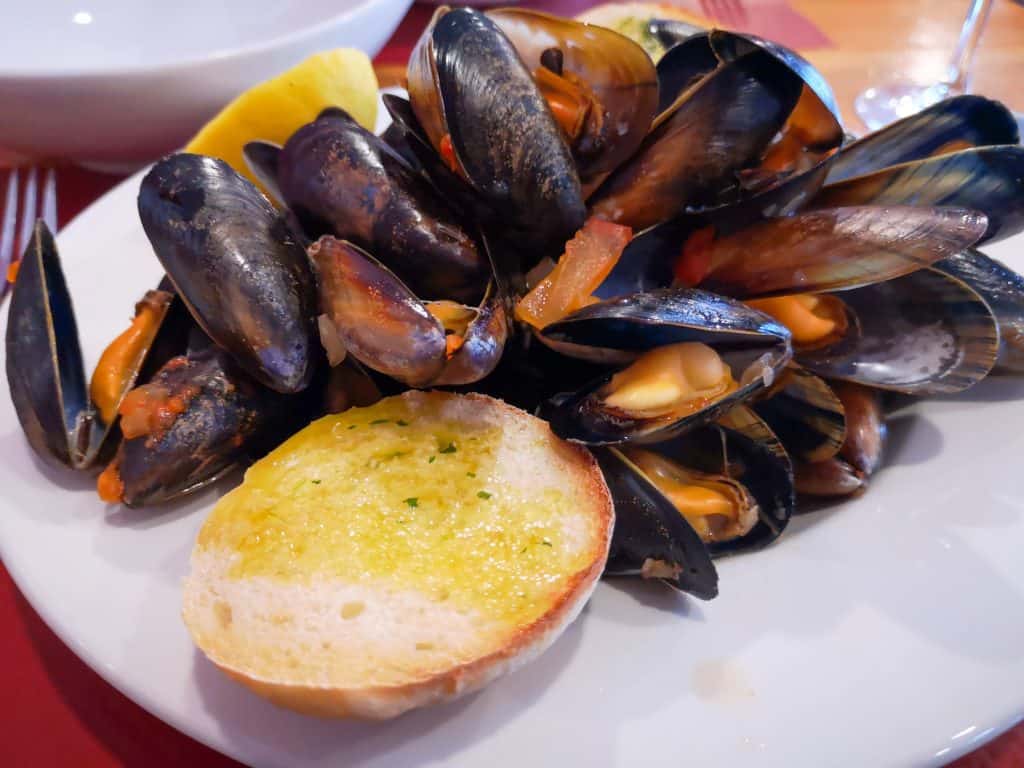
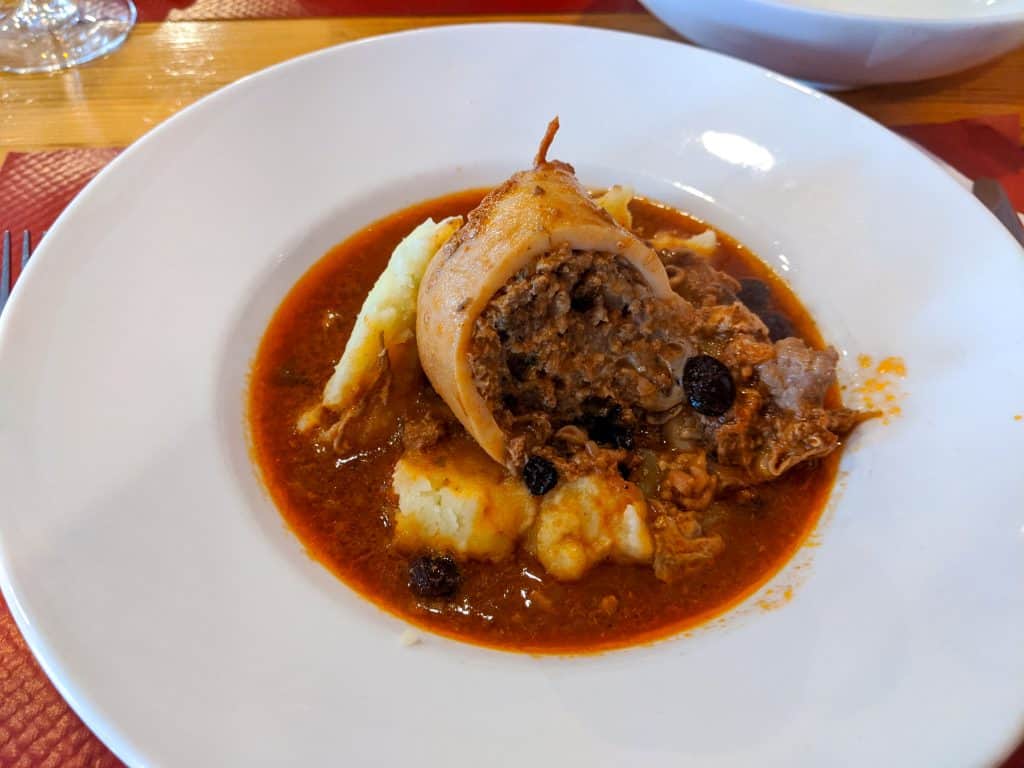
- Seafood Specialties: Don’t leave without trying the island’s famous scallops, mussels, or lobster. Local restaurants in Portree offer them grilled, steamed, or served in creamy sauces that capture the essence of coastal Scotland.
- Farm-to-Table Fare: Many bistros and cafés across the island champion local produce – from Skye lamb to vegetables grown in nearby crofts. You’ll find innovative twists on classic Scottish dishes at spots like the Edinbane Lodge or The Three Chimneys if you’re celebrating a special occasion.
- Pub Grub & Music: For a cosy evening, settle into one of the traditional pubs in Portree or Broadford. Warm up by the fire, order a plate of fish and chips, and enjoy a local ale or single malt. If you’re lucky, you might catch a live folk music session!
- Sweet Treats: Craving something sweet? Try homemade shortbread, sticky toffee pudding, or local tablet (a fudge-like Scottish confection).
Pro Tip: If you’re a whisky fan, add a tasting flight to your meal to discover the Skye’s most beloved spirit.
Top Things to Do & Must-See Attractions
No Isle of Skye guide would be complete without mentioning island’s best attractions. The Isle of Skye may be small, but it has a magical energy. What should you not miss on the Isle of Skye?
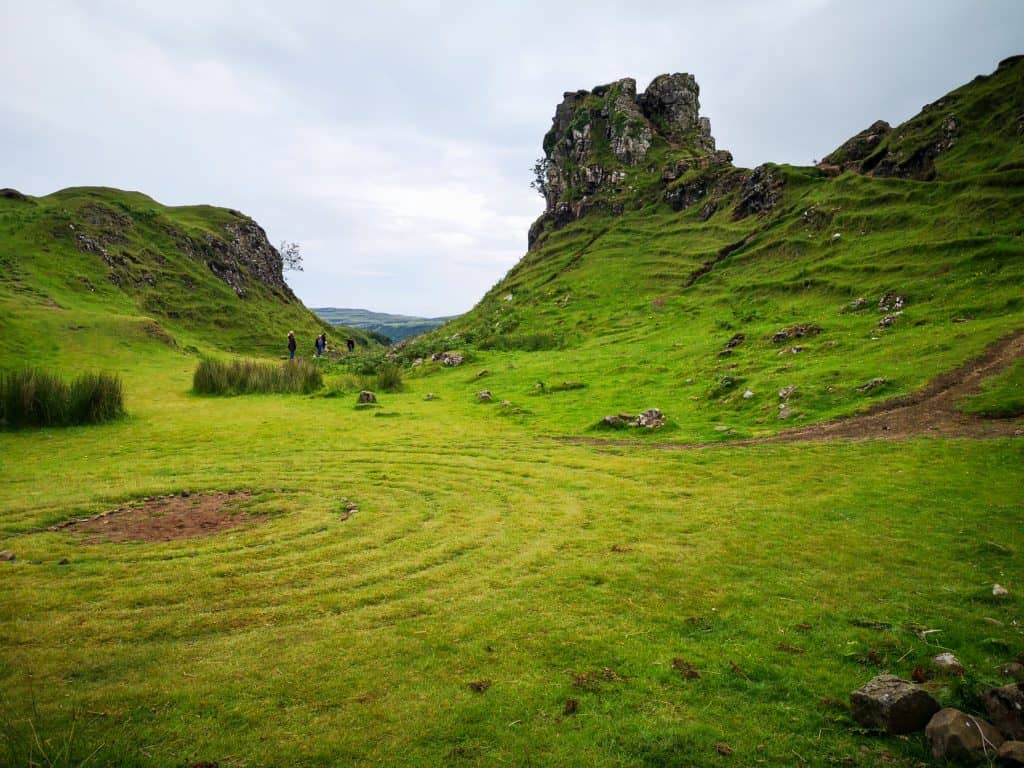
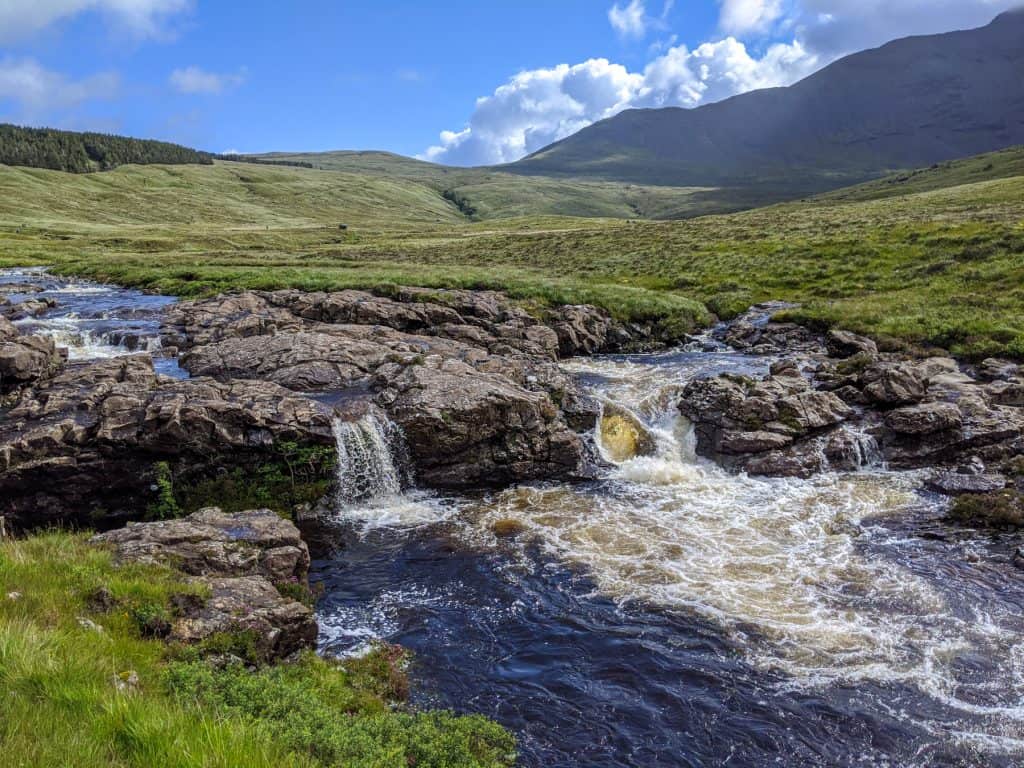
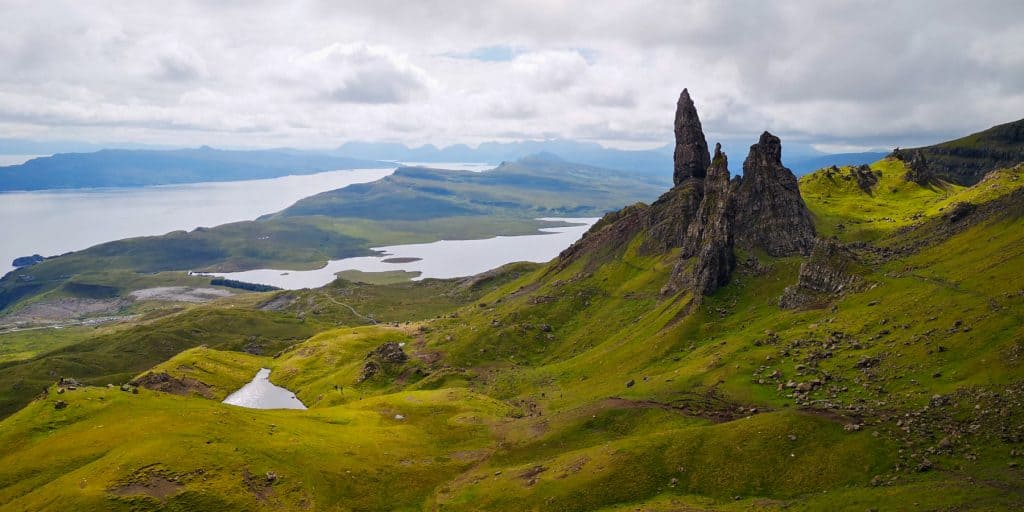
Hike up the Old Man of Storr for stunning views, then cool off (if you dare) in the crystal-clear Fairy Pools at the foot of the Black Cuillin. Immerse yourself in centuries of clan history at Dunvegan Castle & Gardens, and admire the rock formations along the Quiraing. You can’t leave without sampling the island’s smoky single malt at Talisker Distillery – after all, no Scottish adventure is complete without a wee dram. Head to Neist Point Lighthouse at sunset; you might even spot dolphins or whales dancing in the waves below.
Final Thoughts and Tips from Us
The Isle of Skye is nothing short of spectacular. But remember – Scotland has plenty more to offer beyond this enchanting island. Visit the nearby Isle of Mull or Isle of Arran, head southeast to Edinburgh, the nation’s historic capital, to explore its medieval Old Town and elegant Georgian New Town, or seek out hidden gems just beyond the city’s borders. If you crave even more dramatic scenery, Cairngorms National Park boasts majestic peaks, mirror-like lochs, and abundant wildlife. Wherever you wander, you’ll find the same welcoming spirit that makes the Highlands so special – leaving you already planning your next Scottish adventure.