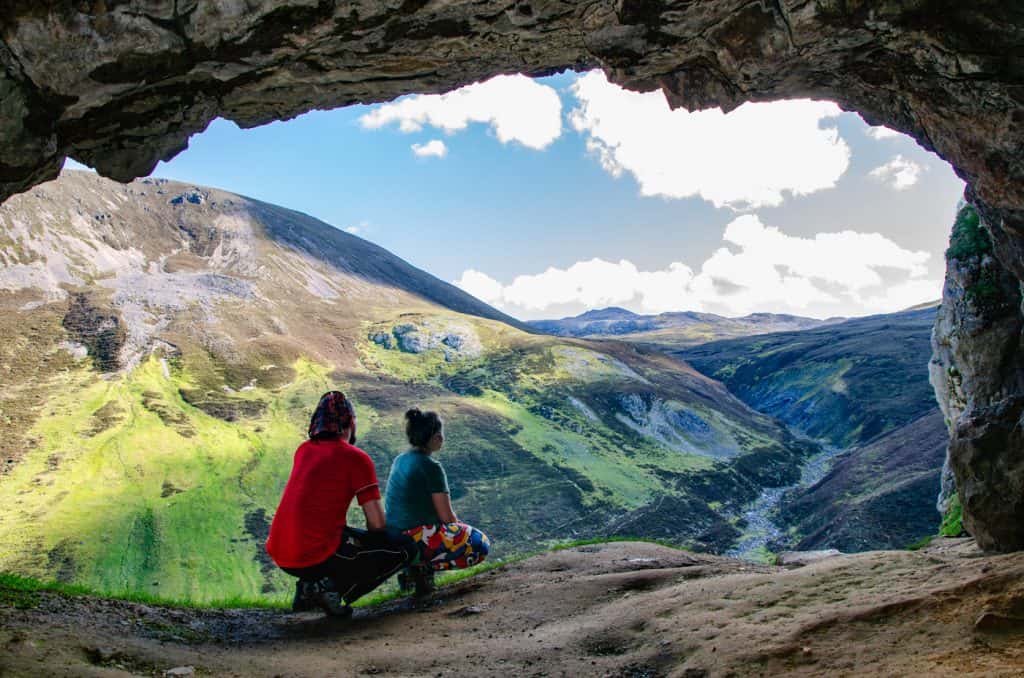
Have you ever dreamed of exploring ancient castles perched on misty cliffs or hiking through breathtaking landscapes? Scotland is a land for adventurers, history lovers, and culture seekers alike. It promises an unforgettable journey. We have visited Scotland so many times and never had enough of it. It’s one of the most beautiful countries we have ever seen. Its plus is that you can visit Scotland in any season and still, it will be an incredible experience. So, discover the magic of this stunning country with our Scotland itinerary! In this guide, we compiled the reasons to visit Scotland, best time to visit Scotland or must visit places in Scotland.
Best Time to Visit Scotland
Our Scotland itinerary must start with mentioning the best time to visit this country. Scotland is a year-round destination, each season offering its unique charm. Best time to visit Scotland depends on what you want to experience. Here’s a breakdown of what each season offers, helping you decide on your Scottish adventure.
1. Spring (March to May)
Spring is a fantastic time to visit Scotland, with nature coming to life after winter. The days are longer, and the landscapes explode into colour with wildflowers and blossoming trees. The weather is mild, with temperatures from 7°C to 15°C.
- Why Visit in Spring: Fewer crowds than in the summer months make it ideal for exploring popular sites. It’s also a brilliant time for wildlife watching.
2. Summer (June to August)
Summer is the peak tourist season in Scotland, with warmer temperatures of up to 20°C (and during heatwaves even more) and up to 17 hours of daylight in the northern parts, thanks to the long summer days. It’s the best time to experience Scotland’s festival scene, enjoy outdoor adventures, and explore the islands.
- Why Visit in Summer: The countryside is lush and green, ideal for hiking, cycling, and outdoor activities.
3. Autumn (September to November)
Autumn brings a stunning transformation to Scotland’s landscapes, with the changing leaves turning the forests and hills into shades of gold, red, and orange. The weather is colder, with temperatures between 6°C and 14°C, and there’s a quieter, more relaxed atmosphere as the summer crowds fade.
- Why Visit in Autumn: This is the perfect time for scenic drives and walks. Autumn is also great for whisky lovers, as distilleries hold special tours and tastings during the harvest season.
4. Winter (December to February)
Winter in Scotland is magical, with snow-capped mountains, cosy fireside pubs, and vibrant festive celebrations. While the weather is colder, ranging from 0°C to 7°C, the scenery becomes even more breathtaking, especially in the Highlands.
- Why Visit in Winter: For those who love winter sports, the Cairngorms and Nevis Range offer excellent skiing and snowboarding. Winter is also a great time to visit if you want to experience Scotland’s famous Hogmanay (New Year’s Eve) celebrations, filled with fireworks, street parties, and traditions.
Tip: According to us, best time to visit Scotland is May or June.
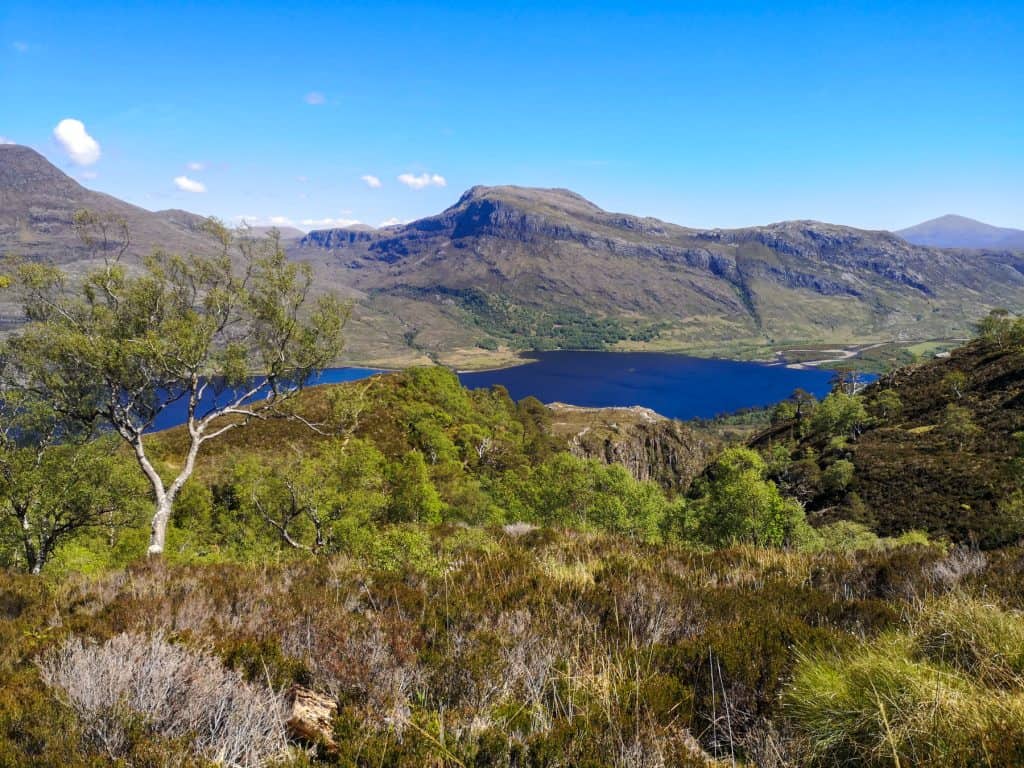
How to Get to Scotland
No Scotland itinerary would be complete without mentioning all things travelling. Scotland is easily accessible from the rest of the UK, Europe, and beyond, making it a great destination to visit.
1. By Air
Flying is the quickest way to reach Scotland, with international and domestic flights arriving daily at the country’s major airports.
- Main Airports:
- Edinburgh Airport – Scotland’s busiest airport offers direct flights from Europe, North America, and the Middle East. It’s just a 30-minute tram or bus ride from the city centre.
- Glasgow Airport – Glasgow Airport offers numerous international connections and is just a 15-minute drive from the city centre. It’s well-connected to the rest of the country by road and rail.
- Aberdeen Airport – A gateway to the northern Highlands and the northeast coast, Aberdeen Airport handles flights across the UK and Europe. It’s ideal for those heading to the Scottish Highlands or islands.
- Inverness Airport – Located in the heart of the Highlands, Inverness Airport is perfect for those starting their Scottish adventure in the Highlands or around Loch Ness. It has regular flights from UK cities and some European destinations.
2. By Train
Taking the train to Scotland is a scenic and relaxing way to arrive, especially if you’re travelling within the UK or Europe. With well-connected rail networks and stunning countryside views, train travel is a perfect option.
- From England and the Rest of the UK:
- London to Edinburgh: The train from London King’s Cross to Edinburgh Waverley takes about 4.5 hours on the East Coast Main Line. This route offers scenic views of the English and Scottish coastlines.
- London to Glasgow: The train from London Euston to Glasgow Central takes about 4.5 to 5 hours via the West Coast Main Line, passing through beautiful countryside.
- Sleeper Trains: For a truly unique experience, take the Caledonian Sleeper, an overnight train from London to Edinburgh, Glasgow, Aberdeen, Inverness, or Fort William. It’s a comfortable and scenic way to travel, allowing you to wake up in the heart of Scotland.
3. By Ferry
For a more adventurous journey, you can arrive in Scotland by sea, with several ferry routes connecting the country to nearby destinations.
From Northern Ireland:
Ferries run regularly between Belfast and Cairnryan in southwest Scotland. The journey takes about 2 hours and is operated by Stena Line and P&O Ferries. From Cairnryan, you can easily reach destinations like Glasgow and Ayrshire by car or train.
From Europe:
While there are no direct ferries from mainland Europe to Scotland, you can sail to nearby ports in England and travel up. For example, ferries from Amsterdam to Newcastle offer a scenic way to start your journey, with Newcastle just a 2-hour train ride from Edinburgh.
Island Ferries:
If you plan to explore the islands, Caledonian MacBrayne (CalMac) ferries operate routes between the mainland and the Hebrides, Skye, and other Scottish islands. Ferries to Orkney and Shetland are also available from Aberdeen and the northern coast.
4. By Car
Driving to Scotland from the rest of the UK is straightforward, and having a car is a fantastic idea to explore more remote destinations at your own pace.
From England:
The main driving routes into Scotland from England are the M6 motorway, which becomes the A74(M) and leads directly to Glasgow, and the A1, which follows the scenic east coast route and leads into Edinburgh.
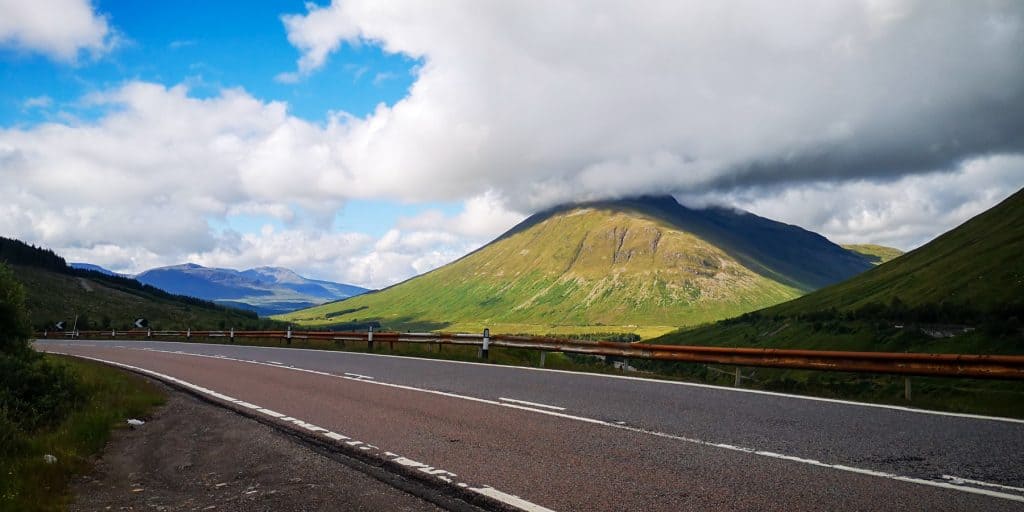
Reasons to Visit Scotland – Best Activities & Must Visit Places in Scotland
Top Must-Visit Cities
Scotland’s cities are as diverse and captivating as its landscapes, each offering a unique blend of history, culture, and modern attractions. The following cities must be on your Scotland itinerary list.
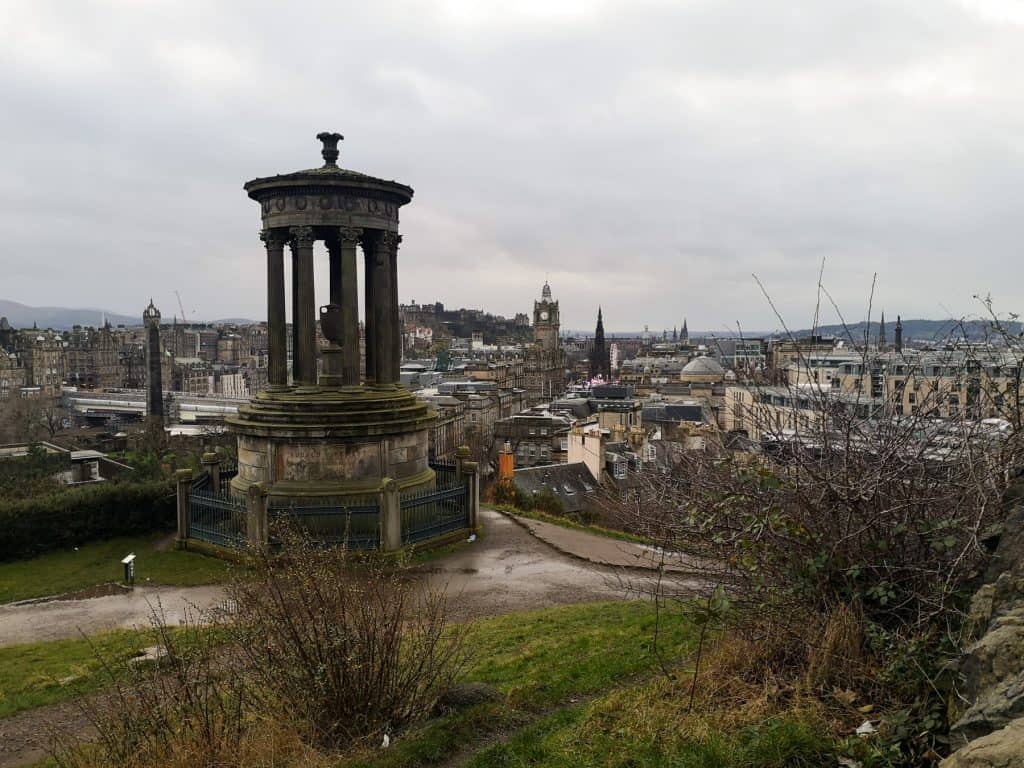
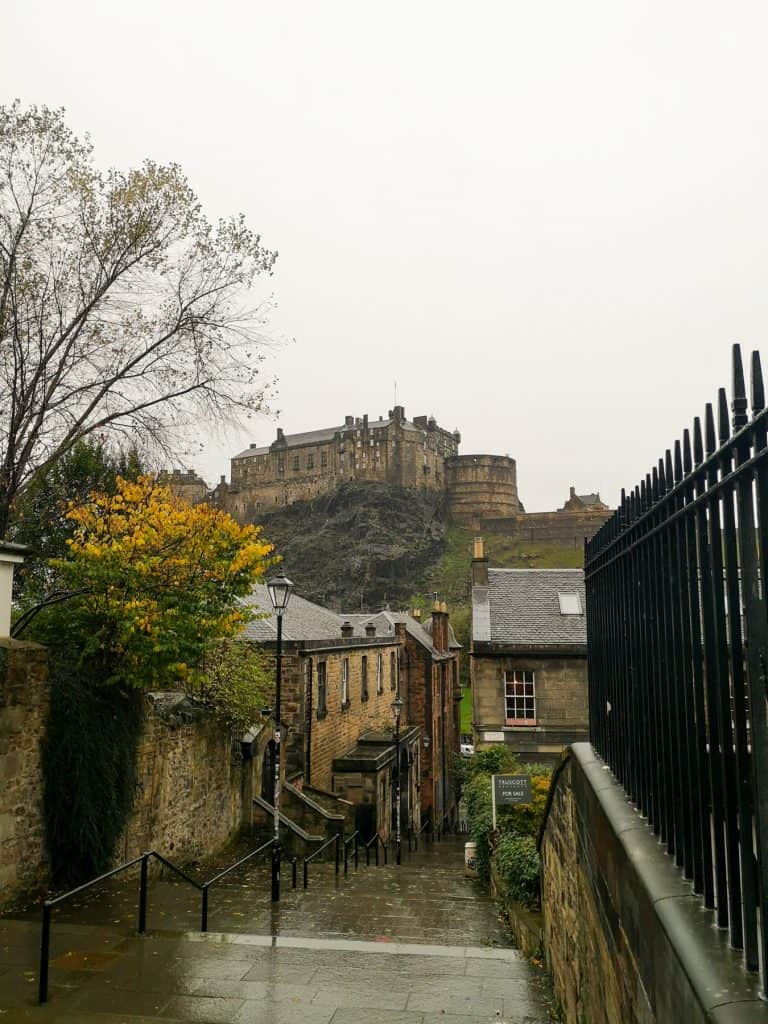
Edinburgh is a city that blends its rich history with culture. It’s known for its iconic landmarks, world-famous festivals, and beautiful cobbled streets that lead you through centuries of Scottish history.
Glasgow offers a different experience. Known for its Victorian architecture, vibrant music scene, and thriving arts community, Glasgow is a modern cultural hub.
Nestled along the banks of the River Ness, Inverness is the capital of the Highlands and a base for exploring Scotland’s wild northern landscapes. It’s a city where history meets nature, with a relaxed pace perfect for soaking in the Highland atmosphere.
Breathtaking Natural Wonders
Scotland’s natural beauty is nothing but spectacular. From tranquil lochs and towering mountains to rugged coastlines and ancient forests, the country offers a range of landscapes that will leave you in awe. Without a doubt, natural wonders are among the main reasons to visit Scotland!
The Lochs
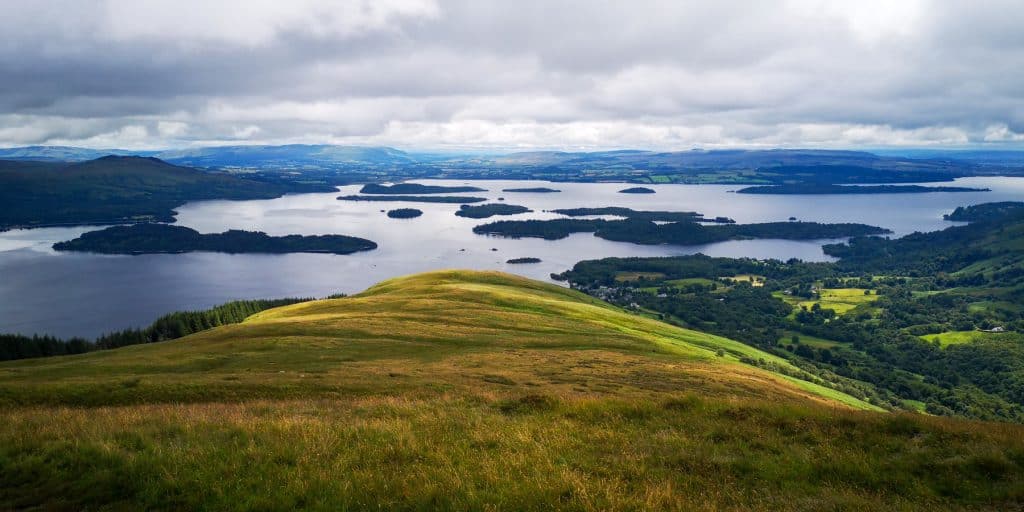
Scotland is famous for its countless lochs (lakes), each with a unique charm. The most well-known is Loch Ness, home to the legendary Loch Ness Monster. Loch Lomond and the Trossachs National Park offer breathtaking views of Loch Lomond, the largest freshwater lake in Britain. Its sparkling waters, rolling hills and rugged mountains are perfect for hiking, cycling, or simply relaxing by the shore.
The Highlands
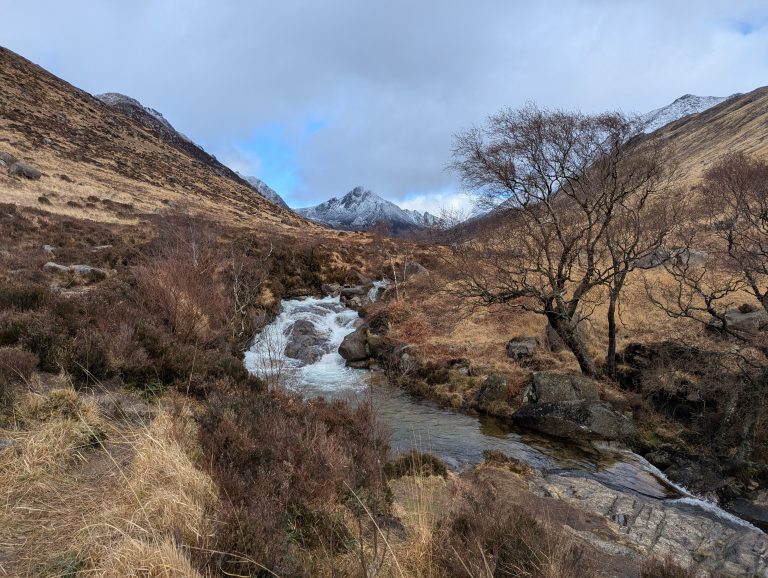
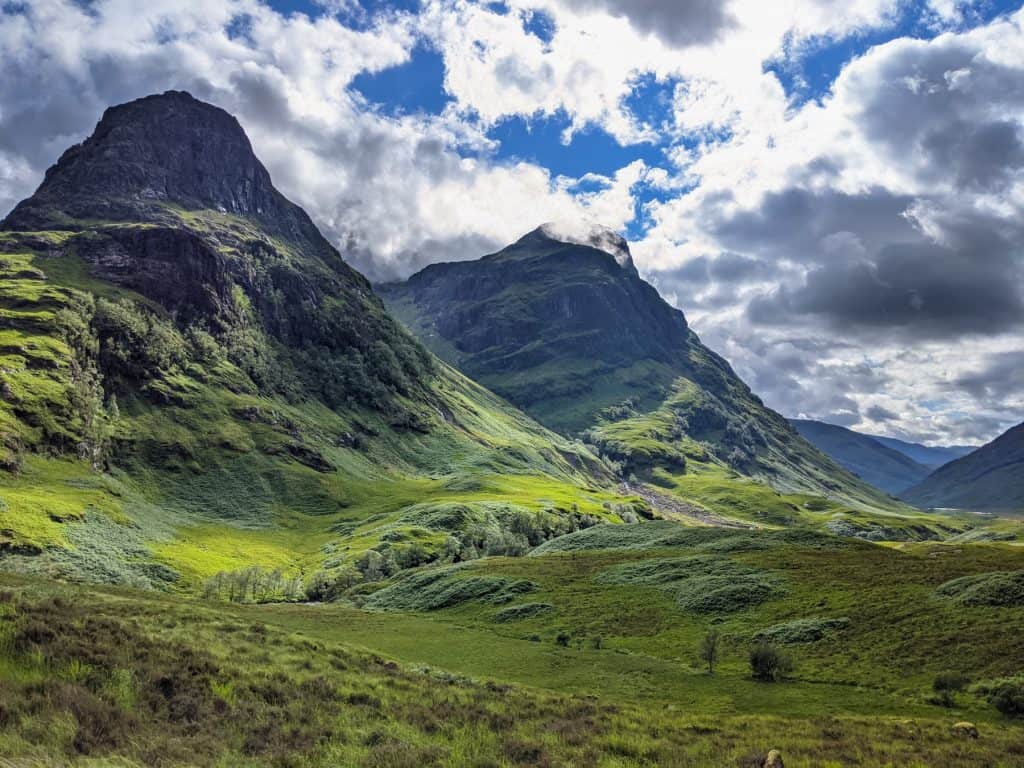
The Scottish Highlands are the most iconic part of the country, without a doubt, one of the must visit places in Scotland. Areas like Ben Nevis and Glencoe are stunning, with towering peaks and deep valleys that can be found in the Harry Potter movies. The Cairngorms and Caledonian Forests are a paradise, with mountain trails and wildlife-rich woodlands.
The Islands
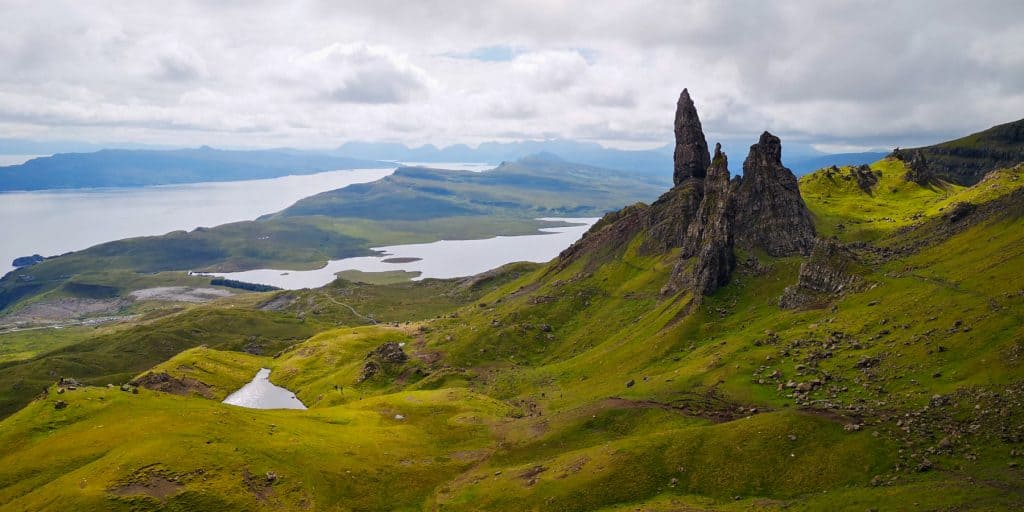
Scotland’s islands offer rugged beauty, ancient history, and a slower pace of life. The Isle of Skye is home to some of the most iconic natural wonders in Scotland. This destination must be part of your Scotland trip. The Shetland Islands offer a remote escape. Outer Hebrides offers pristine beaches and a glimpse into traditional Gaelic culture.
The Beaches
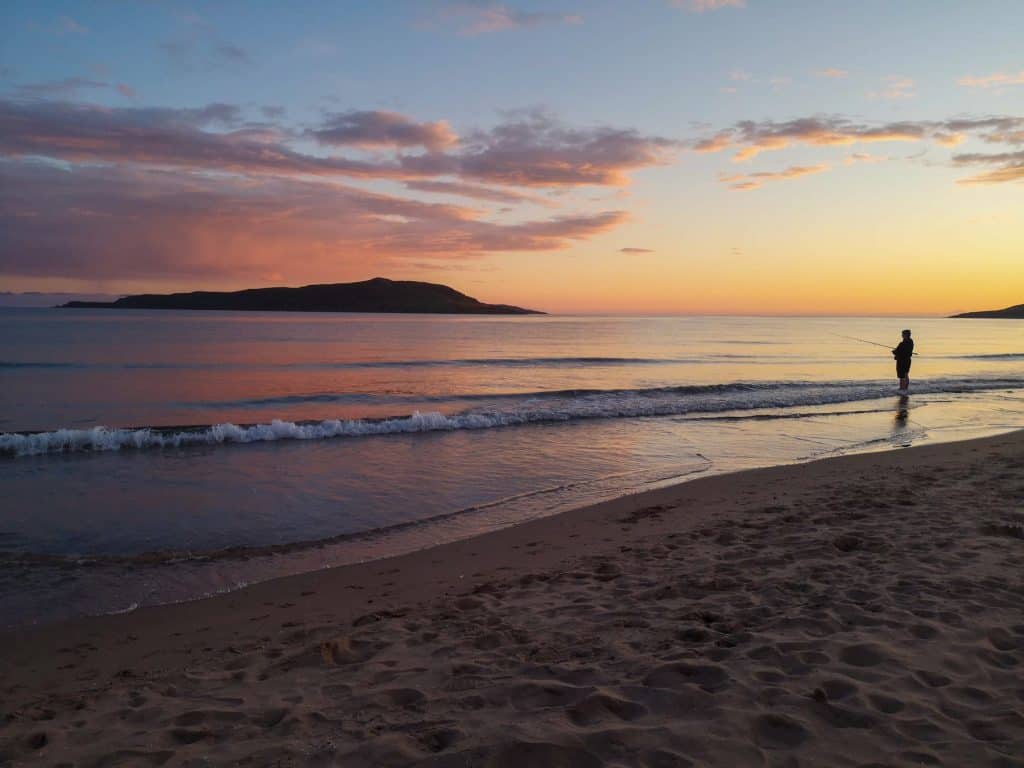
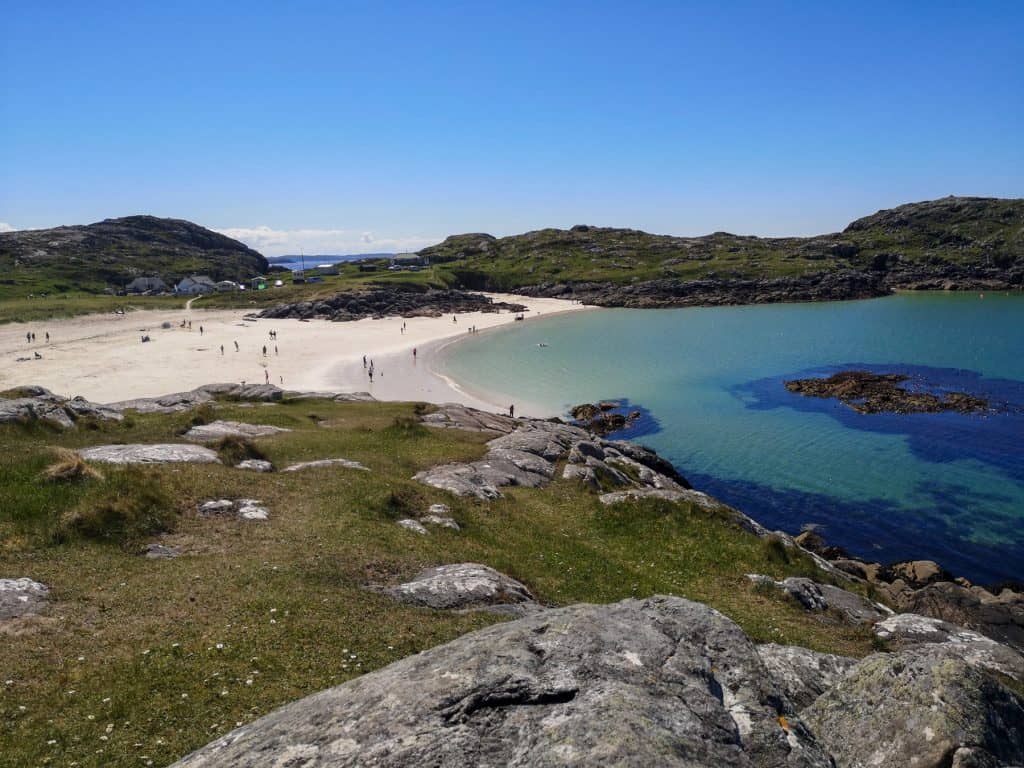
When you think of Scotland trip, beaches might not be the first thing that comes to mind, but the country is home to some truly stunning coastal gems. They are perfect for exploring with your furry friend too. North Coast 500 route has some of the most remote and beautiful beaches in Scotland. Sands of Morar offer striking white beaches with a backdrop of rolling green hills, where the Atlantic Ocean meets the rugged west coast. Isle of Mull and its beaches are stunning too.
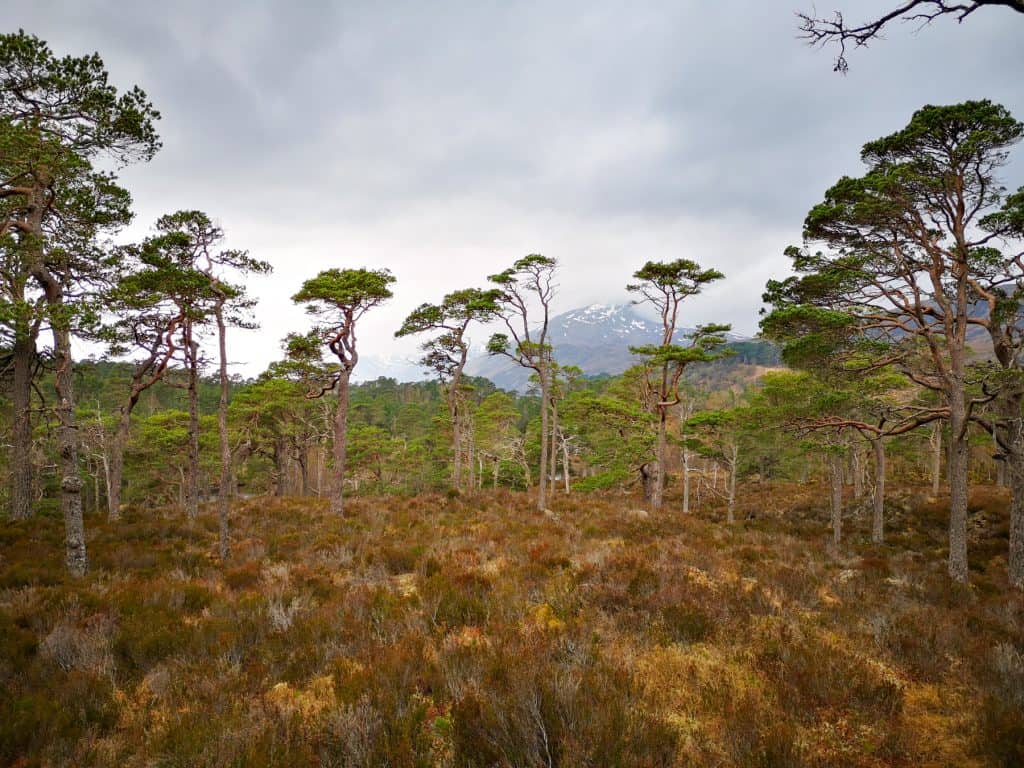
The Caledonian Forest
The Caledonian Forest is one of the last remnants of a vast woodland that once covered much of Scotland. These ancient forests are home to rare wildlife and offer a sense of what Scotland looked like thousands of years ago. Rothiemurchus Forest is a haven for walkers.
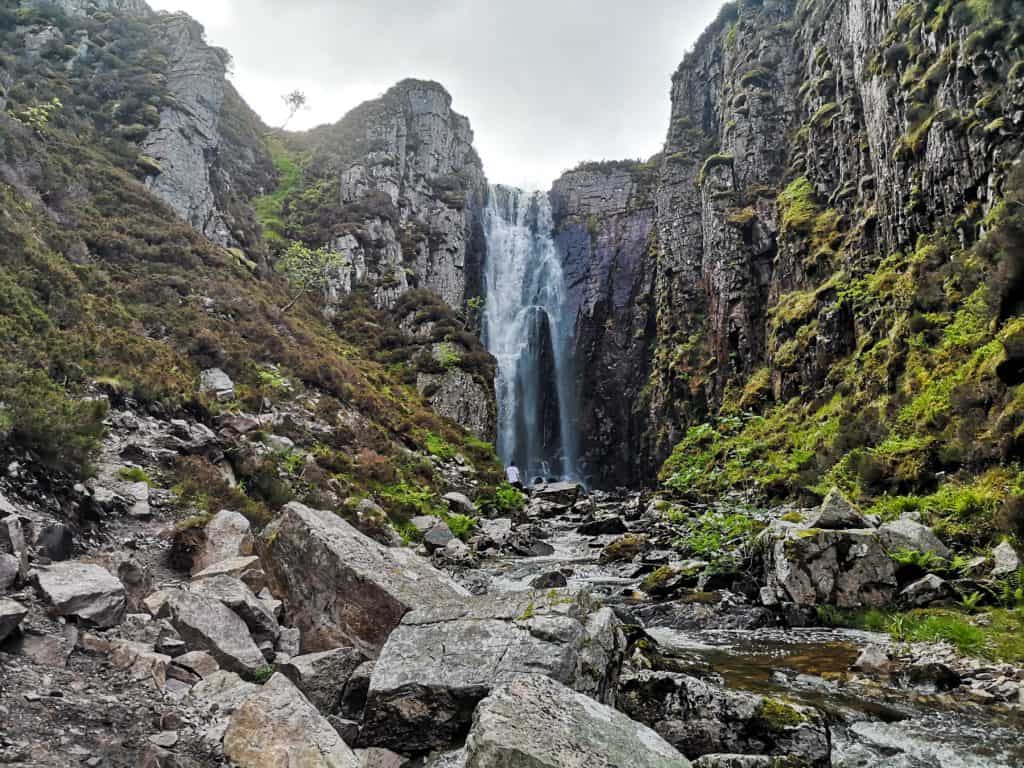
The Waterfalls
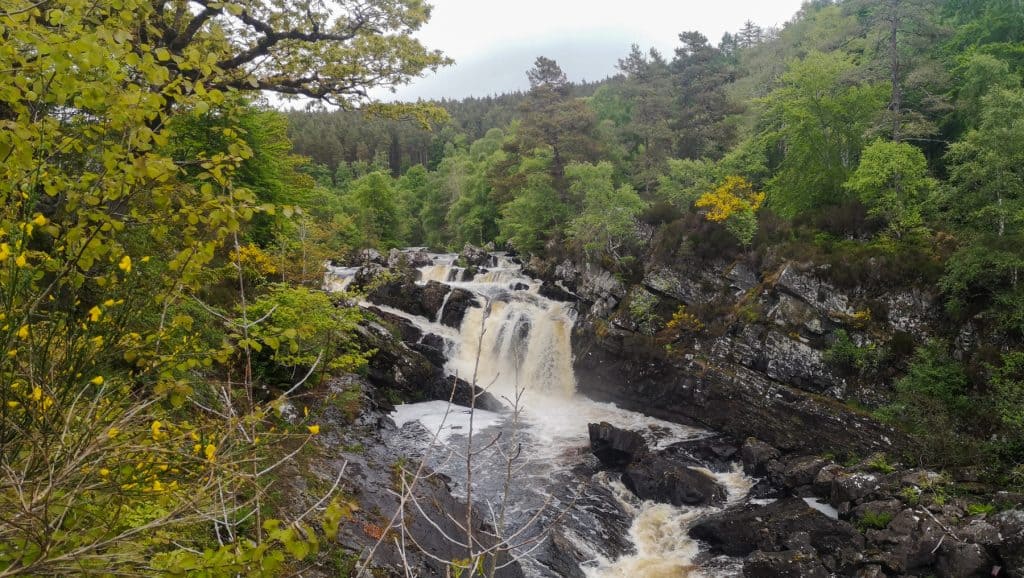
Scotland’s waterfalls are hidden gems scattered across the country, offering breathtaking sights. You can find one of the best waterfalls in the UK here and they should be on your Scotland itinerary without any doubts.
One of the highest waterfalls in Britain, the Falls of Glomach is a stunning, remote cascade tucked away in the Highlands near Kyle of Lochalsh. The hike to reach the falls is challenging but rewards visitors with the sight of water plunging 113 meters (370 feet) down a steep gorge. Located in Glen Affric, Plodda Falls is a hidden gem surrounded by ancient Caledonian forest. Situated in Glen Nevis, near Fort William, Steall Falls is one of Scotland’s most impressive waterfalls, cascading 120 meters (393 feet) down a rocky cliffside.
Hiking and Walking
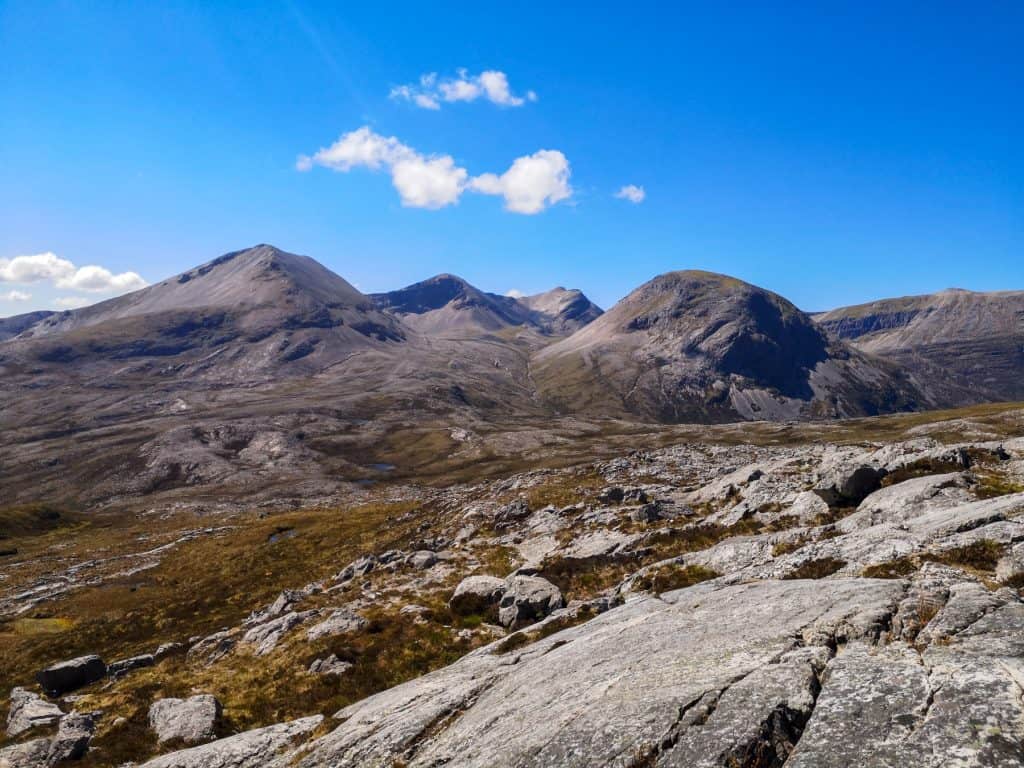
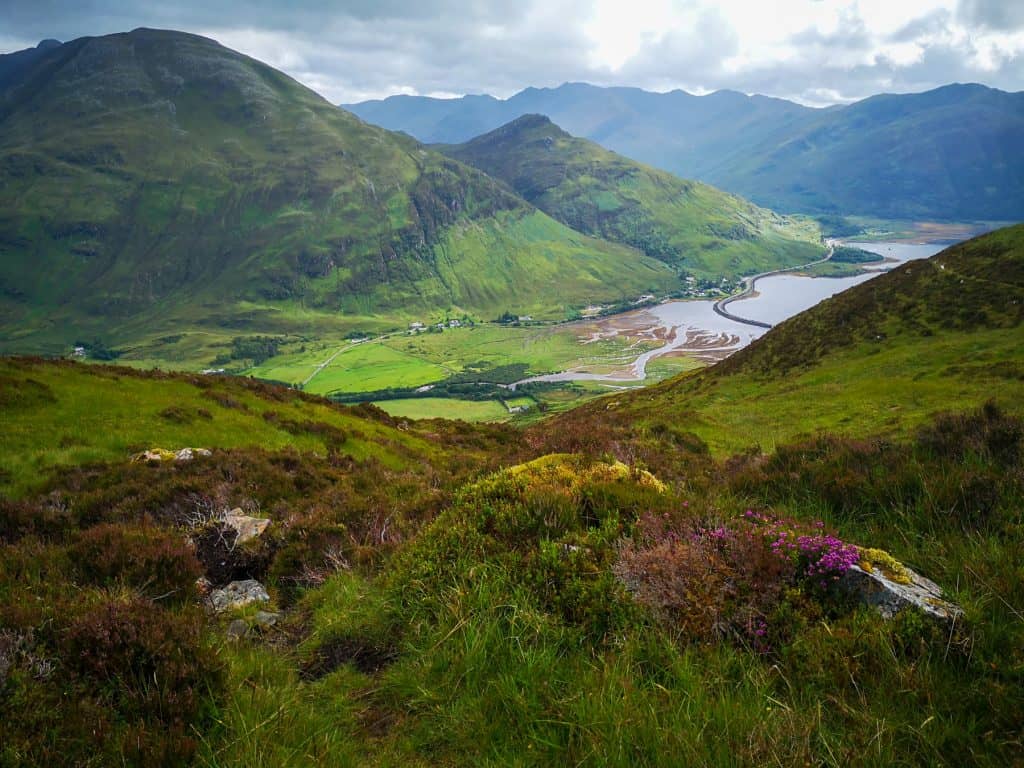
Scotland is a hiker’s paradise and one of the main reasons to visit Scotland. The West Highland Way is a long-distance hiking trail stretching 96 miles (154 km) from Milngavie near Glasgow to Fort William in the heart of the Highlands.
For those who crave the challenge of scaling a mountain, Ben Nevis, the highest peak in the UK offers breathtaking views. The Isle of Skye is known for its dramatic, rugged landscapes, making it one of the best places for hiking, not just for you but also your dog. Glencoe is one of the most famous valleys. The Cairngorms National Park is a haven for outdoor enthusiasts. For a coastal walking adventure, the North Coast 500 route along the northern coast offers a variety of hikes that take you through remote wilderness, past ancient ruins, and some of the most unspoiled beaches.
Road Trips
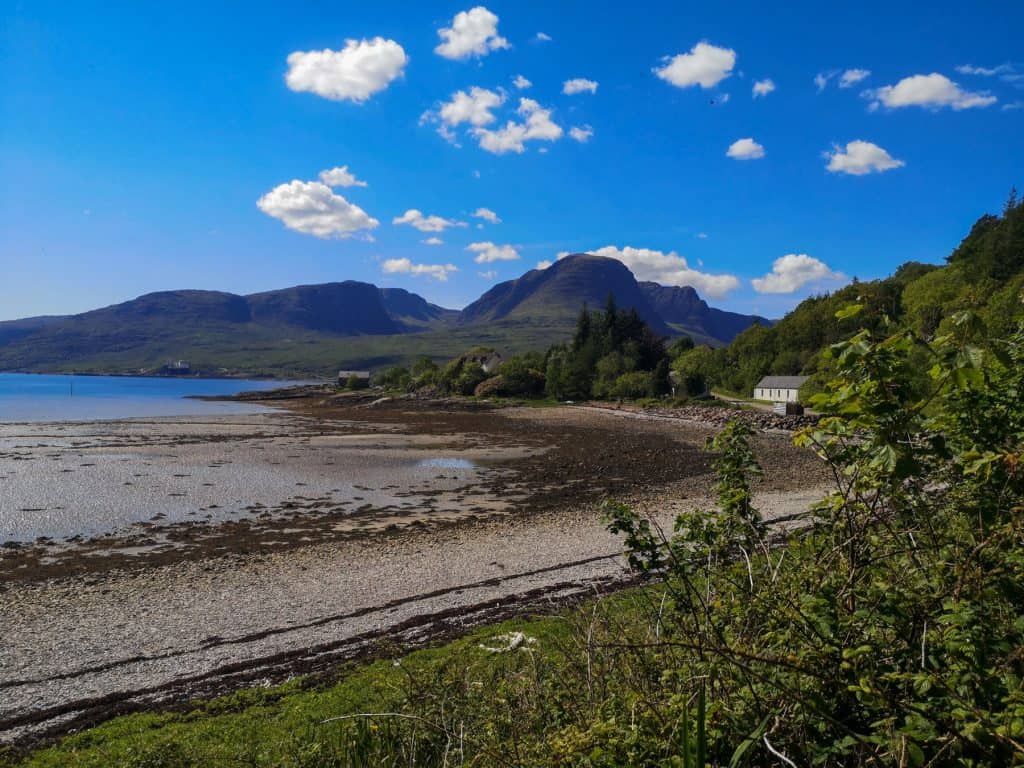
Here’s another of the reasons to visit Scotland. It is one of the best countries in the world for a road trip. Its winding roads lead you through stunning landscapes, from dramatic mountains and tranquil lochs to rugged coastlines and picturesque villages.
The North Coast 500 (NC500) is a 516-mile loop around the northernmost part of the country. And it’s simply a perfect Scotland trip. This route takes you through some of the country’s most spectacular and remote landscapes, including white sandy beaches, coastal cliffs, ancient castles and fishing villages.
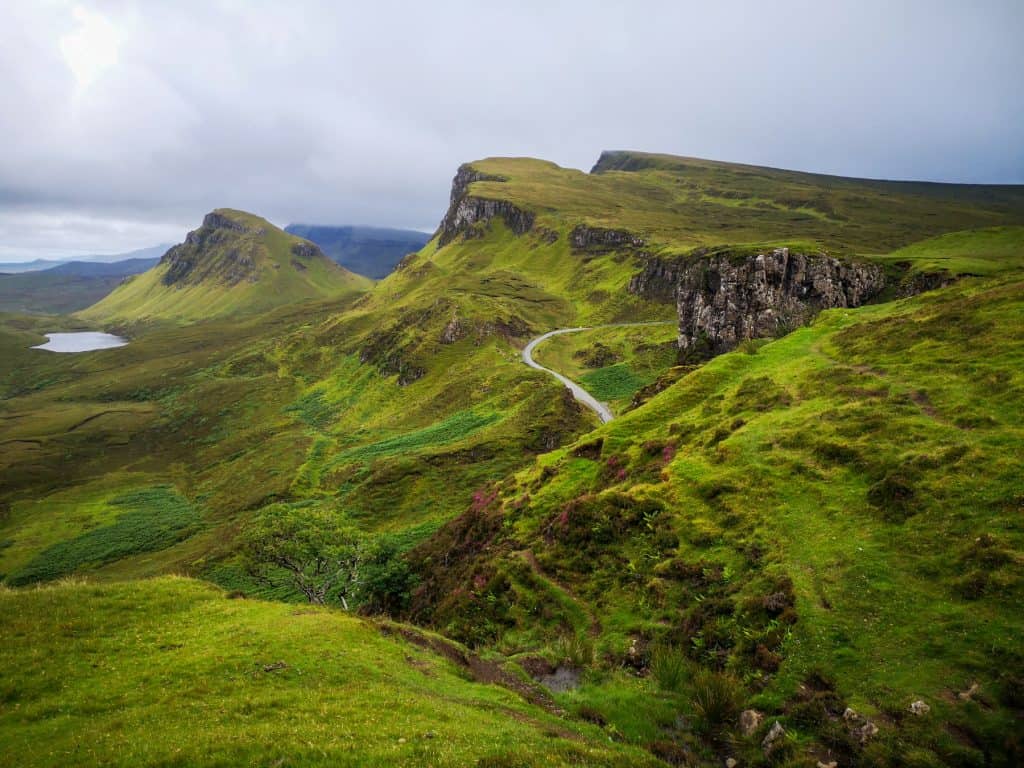
The Isle of Skye road trip is a must-visit destination. The island’s rugged and breathtaking landscapes make every mile memorable.
A road trip through the Scottish Highlands is the ultimate way to experience some of Scotland’s most iconic locations, like the mysterious Loch Ness, Glencoe, Ben Nevis or picturesque villages like Fort William and Kingussie.
The Argyll Coastal Route offers a spectacular 129-mile drive along Scotland’s western coast. Along the way, you can stop at Loch Lomond for a walk or boat trip, visit Inveraray Castle for a taste of history, or explore the Kintyre Peninsula with its sweeping views over the Isle of Arran.
The Borders Historic Route is a 95-mile road trip that takes you through the heart of Scotland’s Borders. You’ll discover a wealth of historic abbeys, castles, and stately homes.
The Road to the Isles is a short but incredibly scenic drive, running from Fort William to the coastal town of Mallaig. This 42-mile route offers stunning views of mountains, lochs, beaches and landmarks.
Seeing Wildlife
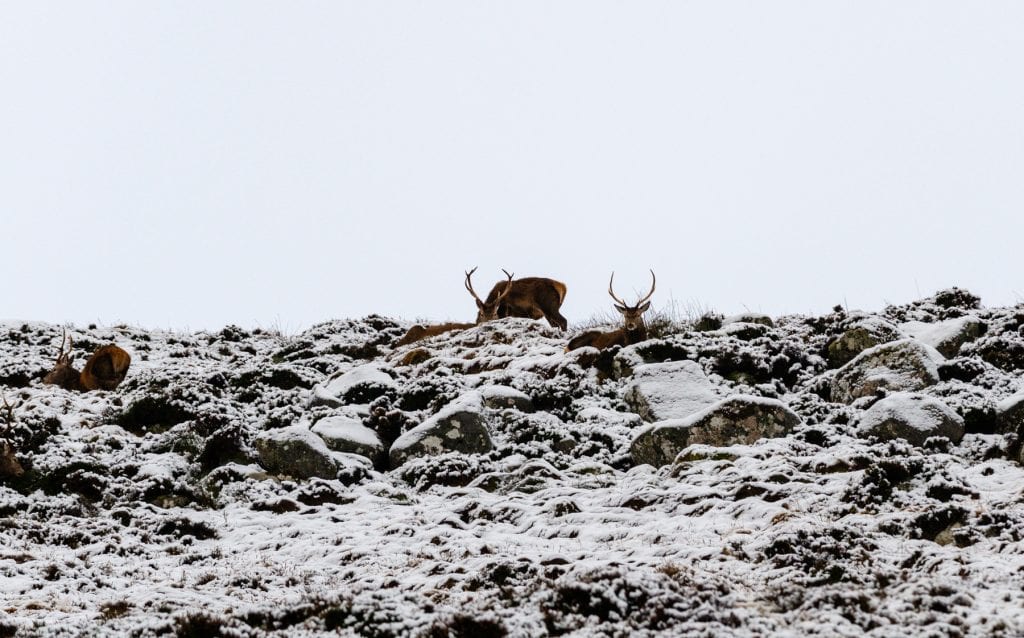
Scotland is a paradise for wildlife lovers, offering the chance to see some of Europe’s rarest animals in their natural habitats. Red deer are Scotland’s largest land mammals. You can see them in the Cairngorms National Park and the Isle of Jura from late September to November. Another animal you can see here is the magnificent golden eagle. An ideal place to see them is on the Isle of Skye (the Quiraing or Cuillin Mountains) or around the Glencoe.
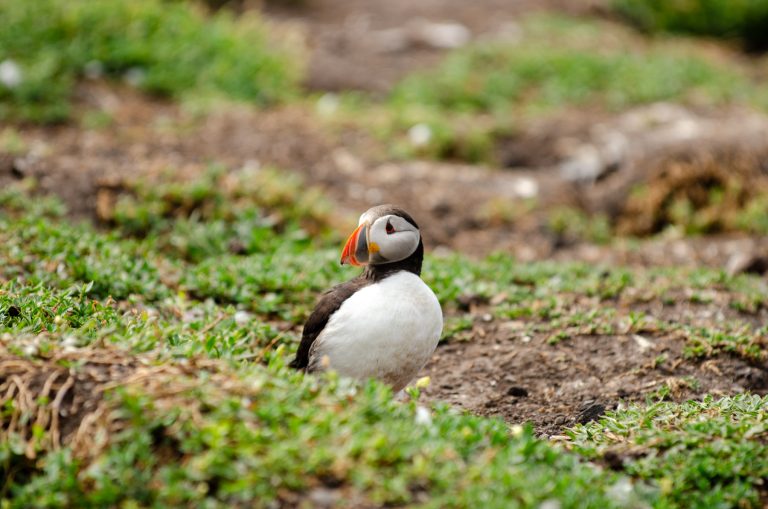
Puffins are some of the most beloved birds in Scotland. These seabirds spend most of their lives at sea but come to land from May to July to breed. Scotland’s coastal cliffs and islands are among the best places in Europe to see puffins – a boat trip to the Isle of Staffa or the Shetlands and Orkneys islands are the places to go. Seeing puffins must be on your Scotland itinerary.
As for marine life, you can see dolphins, whales, and even orcas. The Moray Firth (Chanonry Point) near Inverness is one of the best land-based spots to watch them. Isle of Mull is a haven for wildlife. Scotland’s coastline is also dotted with colonies of grey and common seals. Ideal locations to see them are the Isle of Islay and around Loch Gruinart.
The Scottish wildcat is critically endangered, with only a few hundred remaining in the wild. Although sightings are rare, a slim chance of seeing them is in the Caledonian Forest in the Cairngorms and West Highlands. Scotland also remains one of the last places to see red squirrels. You can see them at the ancient Caledonian Forest in the Cairngorms, around Rothiemurchus and Abernethy Forest.
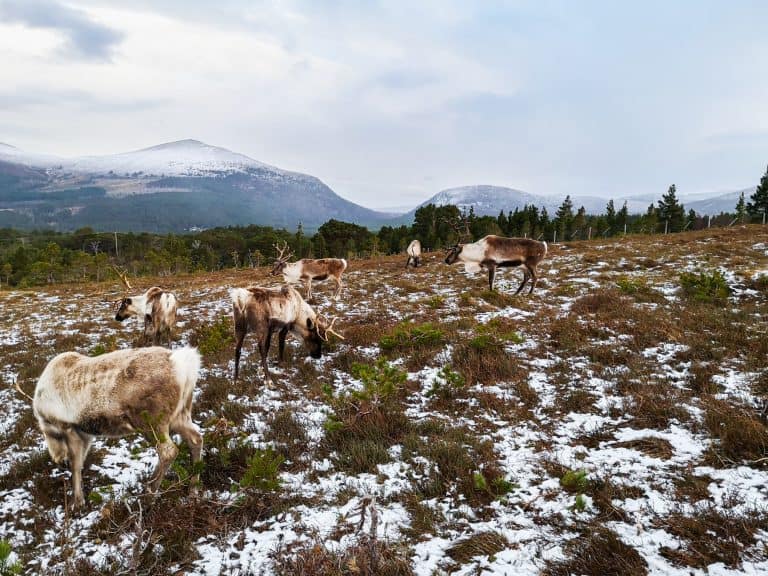
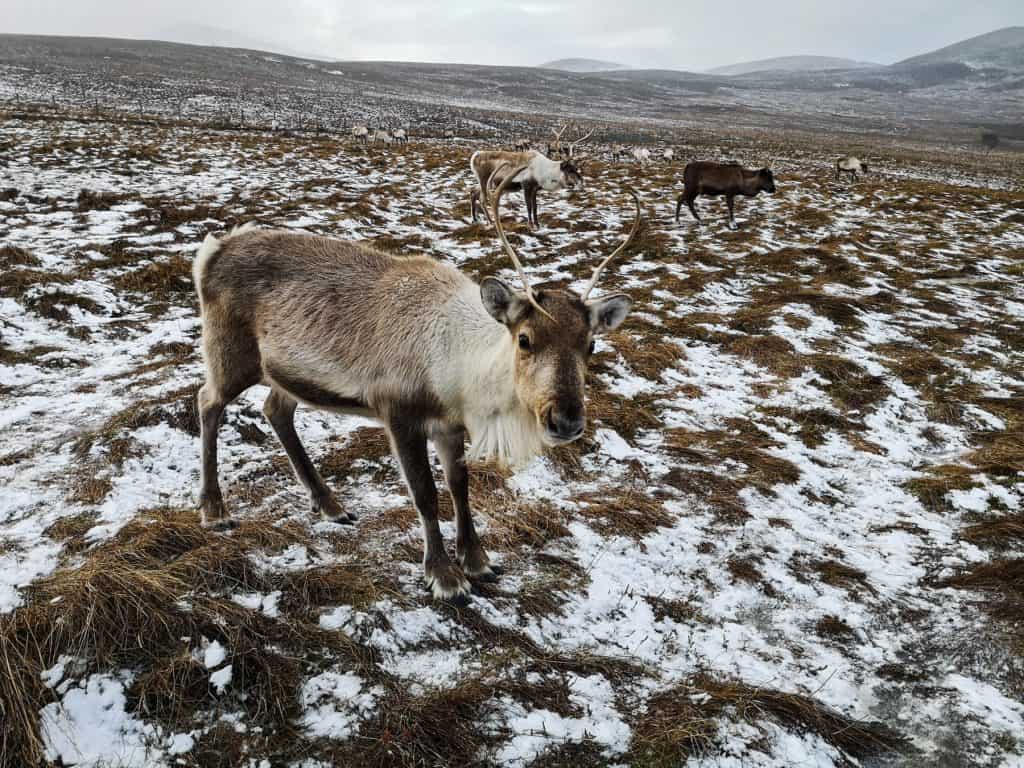
Scotland is home to the UK’s only wild reindeer, which roam the Cairngorms National Park. You can join guided hill trips through the Cairngorm Reindeer Centre to observe these majestic creatures in their natural habitat. It is a magical experience, especially during winter. Seeing reindeer in the wild is a rare and enchanting opportunity for wildlife lovers visiting Scotland. It’s one of the reasons to visit Scotland.
Historical Places
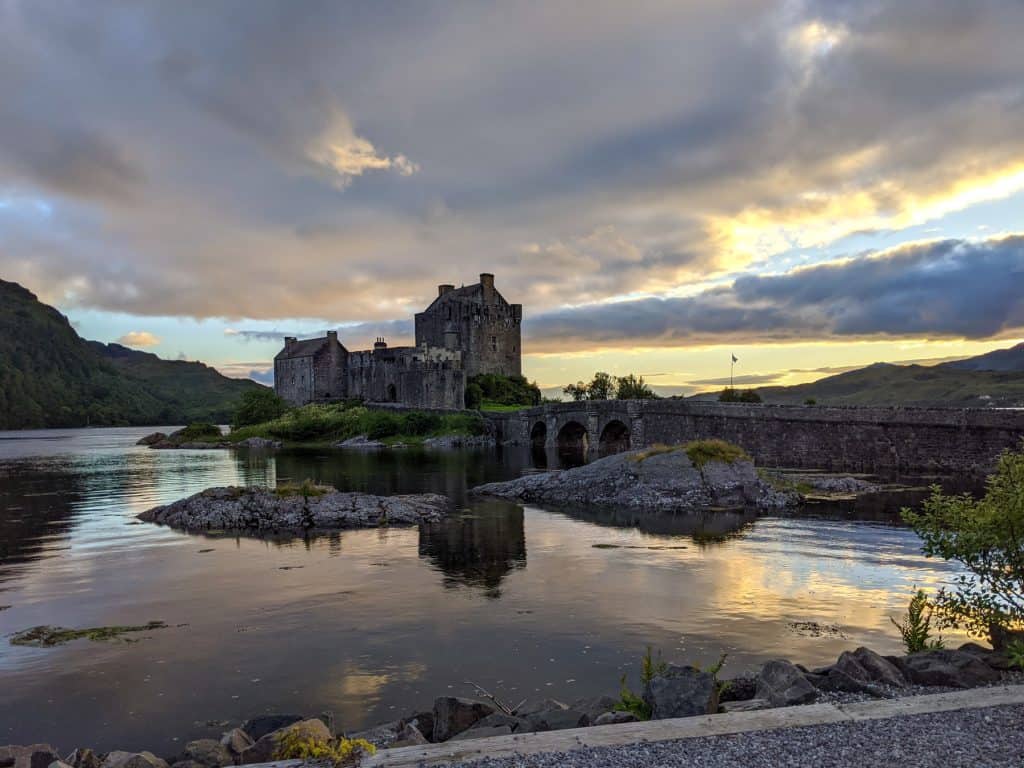
Scotland’s rich history spans thousands of years. Scotland is famous for its castles, which range from ruins to grand estates still in use today. Some of them must be on your bucket list. Perched on Castle Rock overlooking the city, Edinburgh Castle’s history dates back over 1,000 years. Stirling Castle was the residence of Scotland’s kings and queens. Eilean Donan sits on a small island where three sea lochs meet. It’s one of Scotland’s most picturesque castles. Urquhart Castle is another stunning reminder of Scotland’s mediaeval past, with panoramic views of the loch.
Scotland’s ancient past is covered in mystery, and its many stone circles and standing stones are reminders of prehistoric life. One of the most impressive places is the Ring of Brodgar on the Orkney Islands which dates back over 4,000 years. It’s part of an archaeological landscape that includes Skara Brae and the Standing Stones of Stenness. Located in the Outer Hebrides, the Callanish Stones are another ancient stone circle dating back around 5,000 years. Just a few miles from Culloden, the Clava Cairns are a Bronze Age burial site with circular cairns surrounded by standing stones.
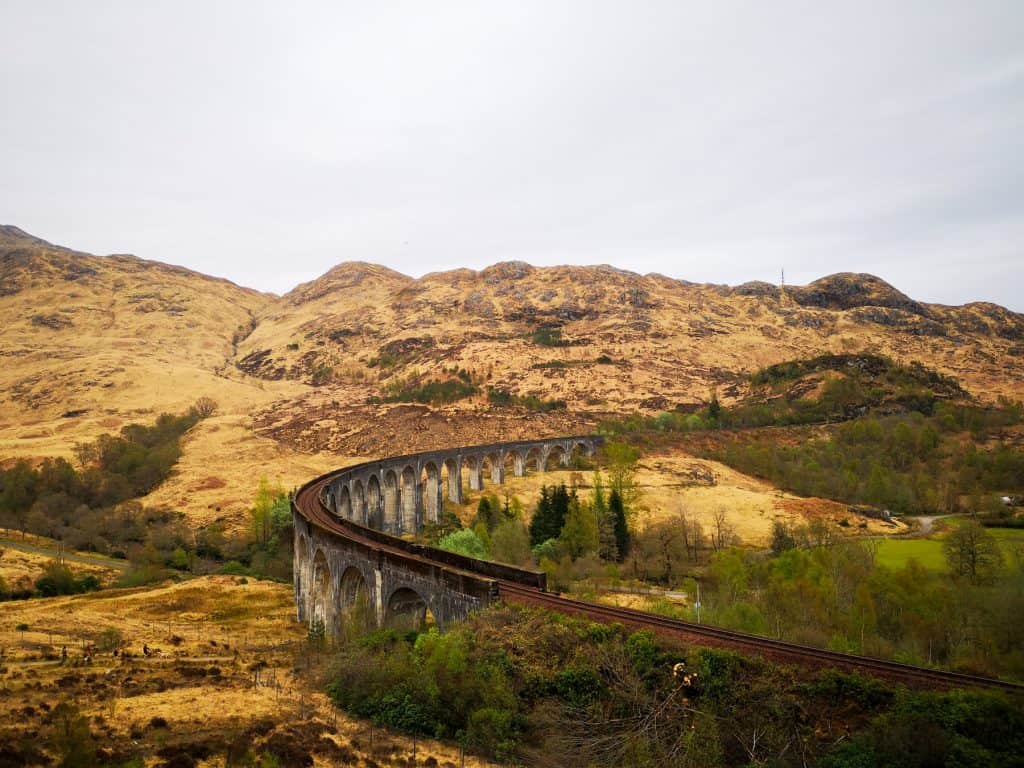
But not just that, Scotland’s viaducts are iconic symbols of the country’s industrial prowess and architectural beauty. Known thanks to the Harry Potter films, the Glenfinnan Viaduct is one of Scotland’s most famous landmarks. The Forth Bridge, just outside of Edinburgh, is a UNESCO World Heritage site and one of the most impressive railway bridges in the world. These historical places must be on your Scotland itinerary.
Traditional Scottish Food
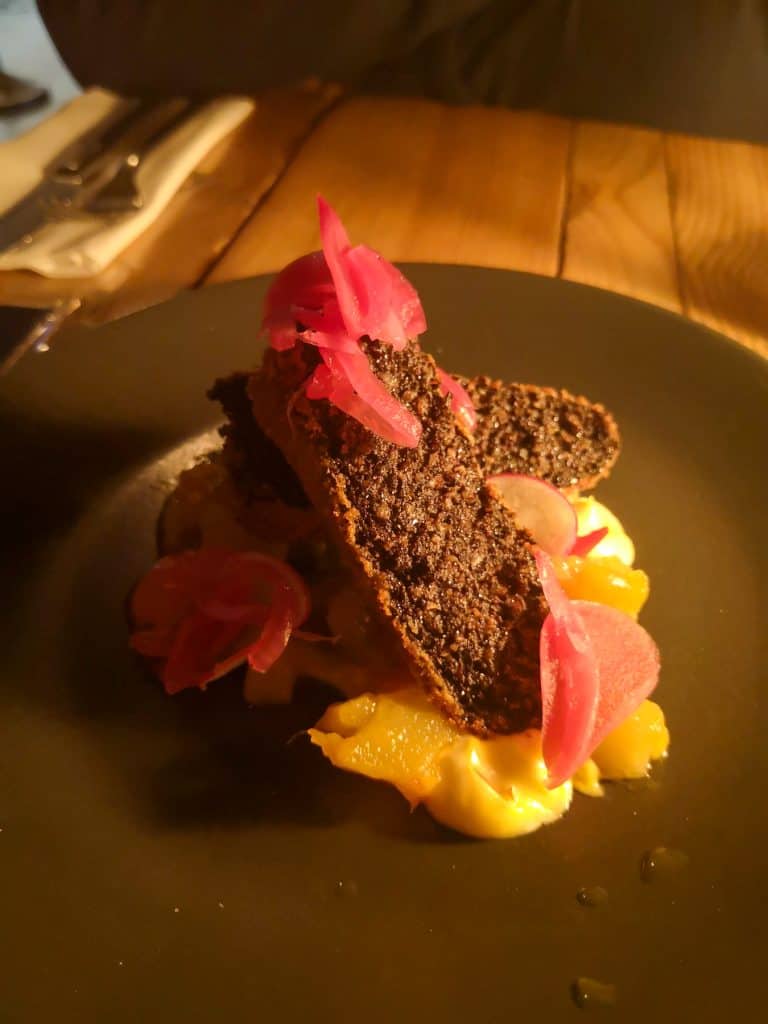
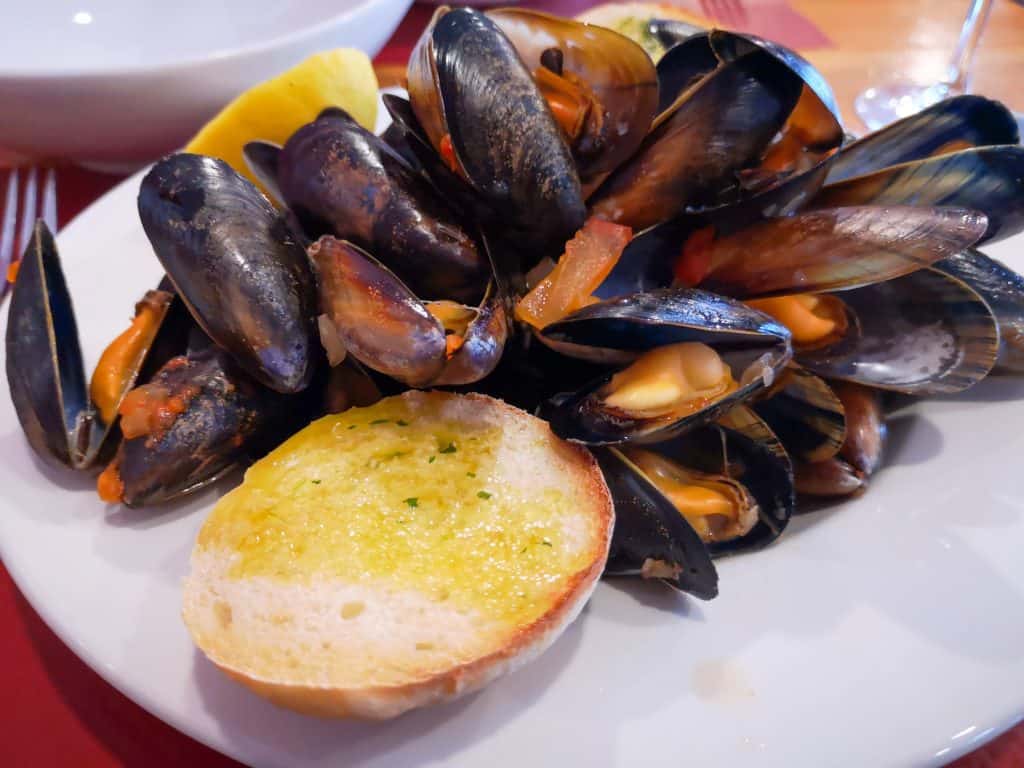
Scotland’s culinary scene is rooted in its rich natural resources, offering a variety of traditional and hearty dishes. Must-try meals that you must try during your Scotland trip include haggis, typically served with neeps and tatties (turnips and potatoes), and Cullen skink, a creamy smoked haddock soup. Scotland is famous for its seafood, with fresh salmon, oysters, and scallops being top choices. Shortbread and cranachan (made with cream, honey, raspberries, and whisky) are must-try sweet treats. Scotland’s food scene is also enhanced by whisky pairings, making local cuisine a memorable part of any visit.
Whisky Tasting
Whisky (or Scotch) is a drink embedded in the country’s culture and history. Visiting Scotland’s distilleries is an unforgettable experience. Scotland’s whisky heritage is world-renowned, with each whisky region offering its distinct flavour profile and history.
From the smooth, fruity whiskies of Speyside (like Glenfiddich and Macallan) to the bold, smoky character of Islay malts (such as Laphroaig and Ardbeg), there’s a whisky for every palate. The Highlands present a diverse range of flavours, including Glenmorangie’s elegance, while the Lowlands are known for lighter, floral whiskies like Auchentoshan. In Campbeltown, Springbank Distillery stands out for its traditional methods. Many distilleries also offer whisky and food pairings, making a whisky tour a must on your Scotland itinerary.

Festivals and Traditions
Scotland is a country that celebrates its rich cultural heritage through a vibrant calendar of festivals, music, and traditional dancing. Experiencing these activities during your Scotland trip is a must.
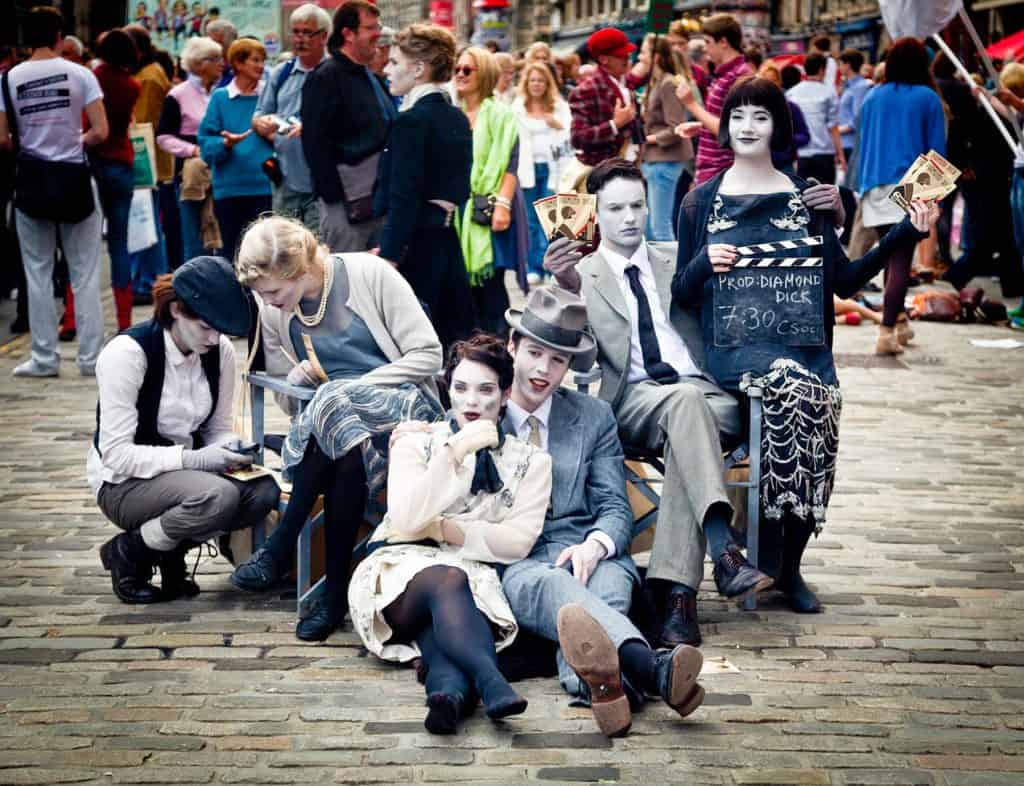
Scotland’s rich cultural heritage comes alive through its diverse festivals, with Edinburgh Fringe festival considered to be the largest arts festival in the world, showcasing everything from comedy to experimental theatre each August. For a taste of ancient tradition, the Highland Games offer a mix of athletic competitions, bagpipe music, and Highland dancing, held in towns across the country. Hogmanay in Edinburgh is Scotland’s iconic New Year celebration, famous for its street parties and fireworks, while events like Celtic Connections in Glasgow honour traditional Scottish folk music in the winter months.
Traditional Scottish music is at the heart of the country’s identity, characterised by the sound of the bagpipes. The fiddle and accordion also play key roles in Scottish folk music, creating lively tunes perfect for ceilidh dancing. You’ll hear this music in pubs, festivals, and during local celebrations, with events like Celtic Connections and Orkney Folk Festival highlighting traditional and contemporary Scottish sounds.
Ceilidh dancing is a cornerstone of Scottish social life, where groups gather to perform lively dances like the Gay Gordons and Strip the Willow, accompanied by energetic folk music. Ceilidhs are joyful and inclusive. For more formal occasions, Highland dancing showcases precision and grace, with iconic dances like the Highland Fling and Sword Dance, often performed at the Highland Games.
Snow in Scotland
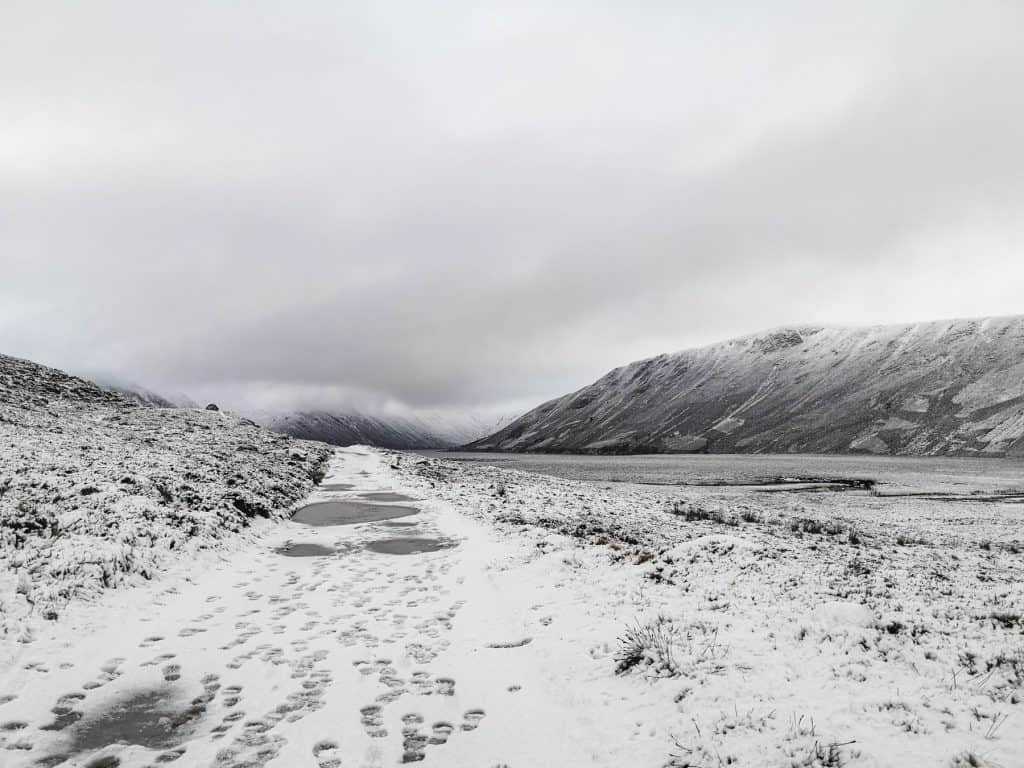
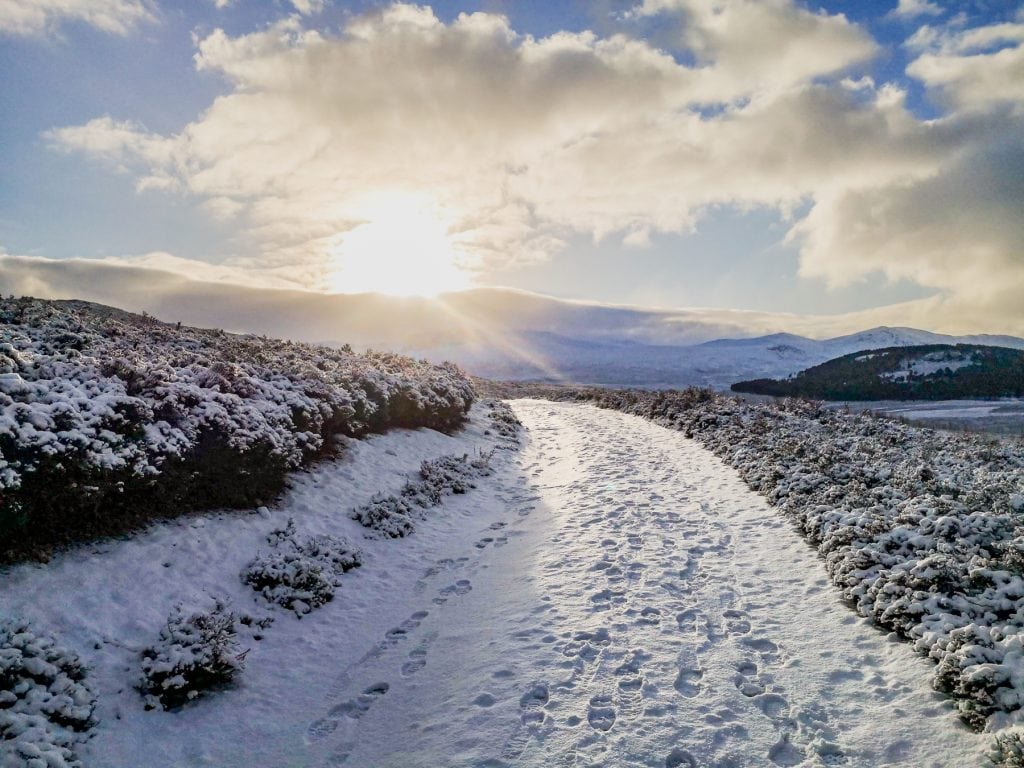
In winter, Scotland transforms into a magical wonderland, with snow-capped mountains and peaceful landscapes perfect for winter activities. Cairngorms National Park is a top destination for snow lovers, offering skiing, snowboarding, and winter hiking. The Nevis Range, near Ben Nevis, also boasts excellent ski slopes and breathtaking views. For a more peaceful winter experience, Glencoe provides stunning snow-covered mountains and tranquil walks through its dramatic glens.
Cities like Edinburgh offer a festive atmosphere during winter, with Christmas markets, ice skating, and cosy pubs to warm up after a day of exploring. If you’re lucky, you might experience snowfall in the city, turning iconic spots like Edinburgh Castle and Arthur’s Seat into picture-perfect winter scenes. For an off-the-beaten-path winter retreat, head to Galloway Forest Park, where you can enjoy quiet snowy walks and some of the darkest skies in Europe for stargazing.
Hidden gems
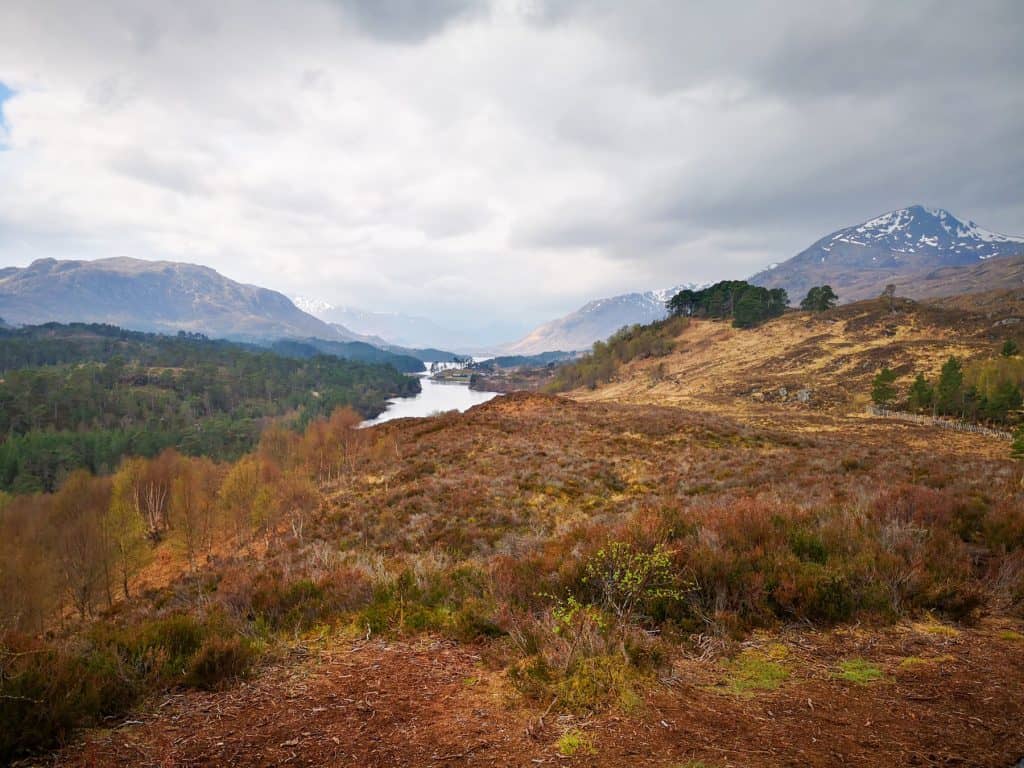
Scotland also holds countless hidden gems waiting to be discovered. The hidden gems offer a more peaceful and intimate way to explore the country’s breathtaking landscapes and rich history. Places like Galloway Forest Park, known for its serene beauty and stargazing opportunities, and the remote Sandwood Bay, with its pristine beach, provide a quiet escape from the more tourist-heavy areas. All of these places should be on your Scotland itinerary list. The Applecross Peninsula, with its winding roads and coastal views, and Glen Affric, a stunning glen of ancient forests and lochs, showcase Scotland’s diverse, unspoiled nature. Or even taking a day trip from Edinburgh will offer you a chance to discover beautiful gems.
For those seeking a more private adventure, remote destinations like the Isle of Mull and the mystical St. Kilda archipelago offer dramatic landscapes, provide fantastic walks and rich wildlife without the crowds.
Tranquility in Scotland
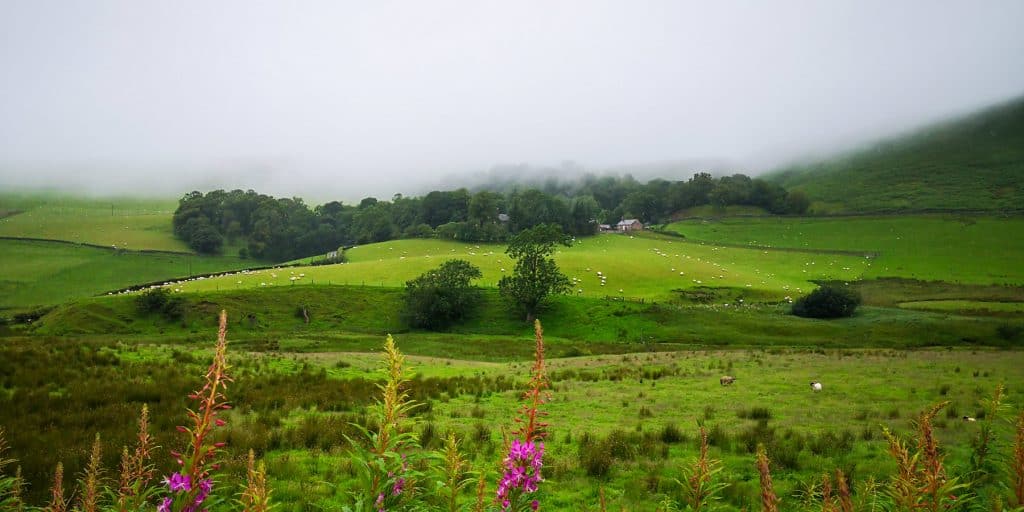
Scotland is the perfect destination for escaping the bustle of city life, offering vast, untouched landscapes. Escaping the bustle of city life should absolutely be on your Scotland itinerary.
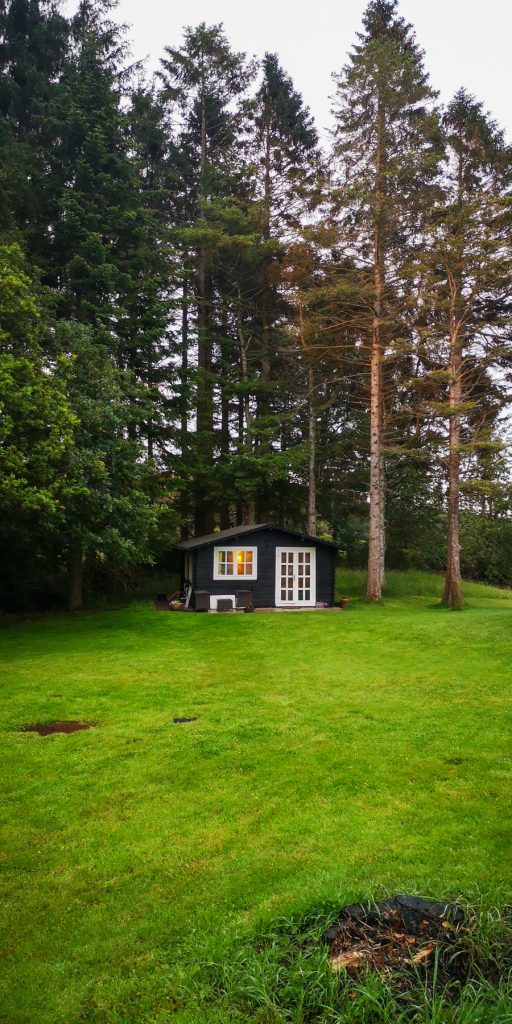
The Scottish Highlands provide a sense of tranquillity with their towering mountains, quiet glens, and serene lochs. Places like Glencoe and the Cairngorms offer vast open spaces to hike, explore, or soak in the stillness. Similarly, Scotland trips to remote islands – such as the Isle of Skye and the Hebrides – offer dramatic coastlines and quiet villages, ideal for disconnecting from the modern world. Galloway Forest Park is a peaceful retreat known for its rolling hills, deep forests, and stargazing opportunities. Even closer to cities, places like Loch Lomond offer a perfect balance with scenic walks and boat trips just a short drive from Glasgow or Edinburgh.
Our Scotland, Your Next Adventure
For us, Scotland has always been more than just a destination and has left us with memories that will last a lifetime. Whether you are craving adventure or seeking peace, Scotland has a way of surprising and inspiring you. We hope this guide has sparked your curiosity. Trust us, once you visit, Scotland will stay with you long after you have left. Now it’s your turn to explore this stunning country.