
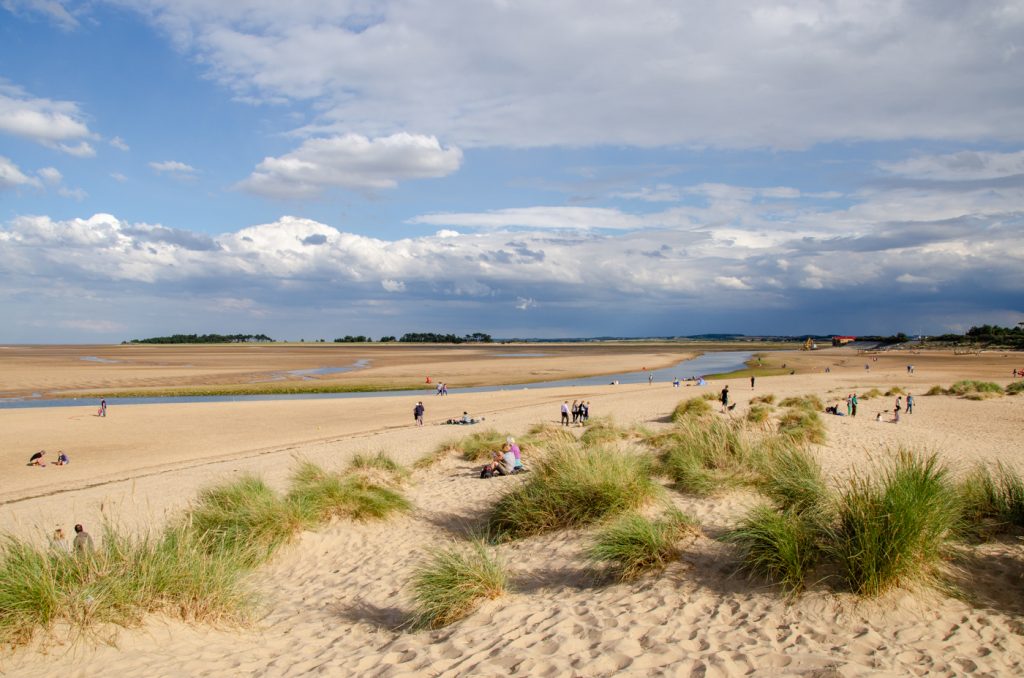
The Norfolk Coast AONB is a stunning part of England. Located in the North Norfolk, it is known for its beautiful beaches, wildlife, and charming villages. It’s a perfect spot for anyone who loves the outdoors, with plenty of trails for walking and cycling, sailing or birdwatching. This area also has a fabulous history and heritage. Whether you’re planning to explore its natural beauty or enjoy local culture and seafood, the Norfolk Coast AONB is a unique getaway into the heart of the English countryside. We compiled a list of amazing things to do on Norfolk Coast. Come and join us as we show you a part of the country we call home.
Reasons to visit Norfolk Coast AONB
Visiting the Norfolk Coast AONB is a must for its stunning natural beauty, diverse wildlife, and rich cultural heritage. Here’s why you should consider it for your next trip:
- Unspoiled Landscapes: Discover miles of pristine beaches, dramatic cliffs, and peaceful woodlands.
- Wildlife Haven: A paradise for birdwatchers and nature enthusiasts, home to rare species and natural reserves.
- Historical Gems: Explore historic villages, ancient churches, and grand estates dotting the coastline.
- Outdoor Activities: Whether it’s walking, cycling, sailing, or just relaxing, there’s something for everyone thanks to the Norfolk Coast Path.
- Local Delicacies: Enjoy fresh, locally sourced seafood and traditional Norfolk cuisine.
- Cultural Festivals: Engage with local culture through various festivals and events throughout the year.
Best Times to Visit Norfolk Coast AONB
The Norfolk Coast AONB is a charming blend of pristine beaches, rich wildlife habitats, and picturesque landscapes, making it a year-round destination for everybody.
- Spring (March – May) welcomes you with a flourish of wildflowers and the return of migratory birds, offering stunning birdwatching opportunities. This season is ideal for those who enjoy the natural awakening and prefer a cooler climate for walking and exploring.
- Summer (June – August) brings the warmth and the buzz of tourist activities, with long, sunny days perfect for beach exploring, coastal walks, and sailing. The beaches and the seaside towns become vibrant hubs of outdoor activities. This is the most beautiful but busy season.
- Autumn (September – November) transforms the landscape into a palette of gold, yellow and brown, offering a less crowded experience with mild weather ideal for long walks and photography opportunities.
- Winter (December – February) presents a tranquil beauty with dramatic skies and the chance to see seal pups along the coastline, making it perfect for those who love the beauty of nature. Seeing seals is a great experience. It’s a popular winter activity in Norfolk though, so expect the local beaches to be quite busy.
Travelling around Norfolk Coast AONB
The best way to explore the Norfolk Coast AONB is by car. This will give you the freedom to see all the hidden gems and remote beaches.
However, you can get to certain places by public transport, especially alongside the Norfolk Coast Path. North Norfolk offers its visitors a coastline bus line.
You must arrive at King’s Lynn by train; there are direct trains from Cambridge and London King’s Cross. Here, you’ll take the Coastliner 36 bus that takes you around the villages of North Norfolk, from King’s Lynn to Wells-Next-the-Sea. From there, you can easily walk to some beaches, nature reserves and marches and explore the area without needing a car. Make sure to check the timetable and fare calculator and plan the trip.
In Wells-Next-the-Sea, you can change for the CoastHopper 46 that will take you from Wells-Next-the-Sea to Cromer & Sheringham. To travel to/from Cromer & Sheringham, you must first get to Norwich by direct trains from Cambridge or London Liverpool Street. Here, you’ll change trains to Cromer & Sheringham.
How long should you stay in the Norfolk Coast AONB?
To truly explore and enjoy the Norfolk Coast AONB with its diverse offerings, a minimum of one week would allow you to explore the natural beauty, cultural heritage, and leisure activities and enjoy the countryside without feeling rushed. For a minimum, we recommend staying for 2-3 days.
Places to Stay in North Norfolk
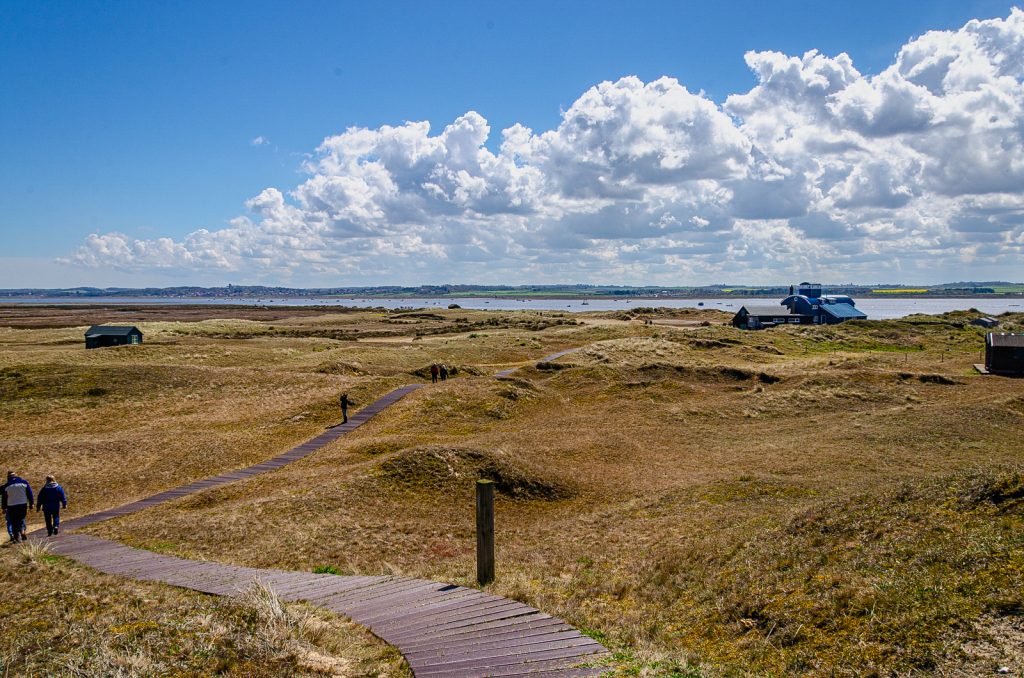
If you plan to explore the whole Norfolk Coast AONB, it’s a good idea to book accommodation for 2 – 3 nights as the area is quite large. Staying in huts or cottages in the countryside or small villages is a unique way to experience the charm of this area. Below you can find our recommended places to stay in North Norfolk. We split it into three sections: best value for money, comfort stay & luxury stays to treat yourself.
Places to stay in Norfolk coast – Best Value for Money

Places to stay in Norfolk coast – Comfort Stay

Places to stay in Norfolk coast – Treat Yourself – Luxury Stay

28 fantastic things to do and see in Norfolk Coast AONB
Natural Wonders
The Norfolk Coast AONB is a breathtaking stretch of coastline in England known for its stunning landscapes. Among its many gems are the salt marshes, sand dunes, and beaches that offer a unique blend of natural beauty and adventure.
1. Beaches
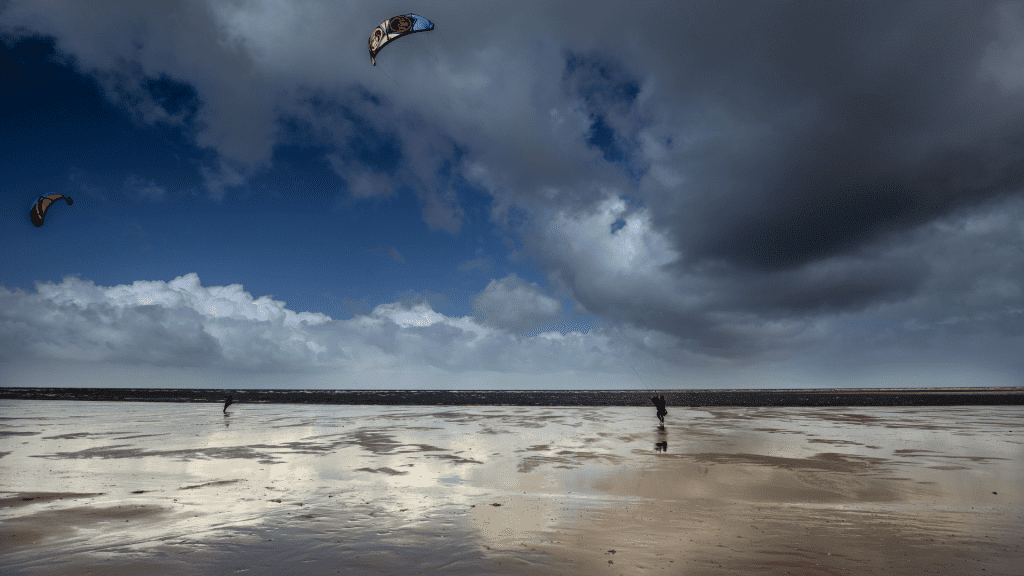
If there is something super special about Norfolk Coast AONB, without a doubt, it is beaches. Norfolk has the most beautiful beaches in the whole of East Anglia. The best beaches you absolutely must visit are:
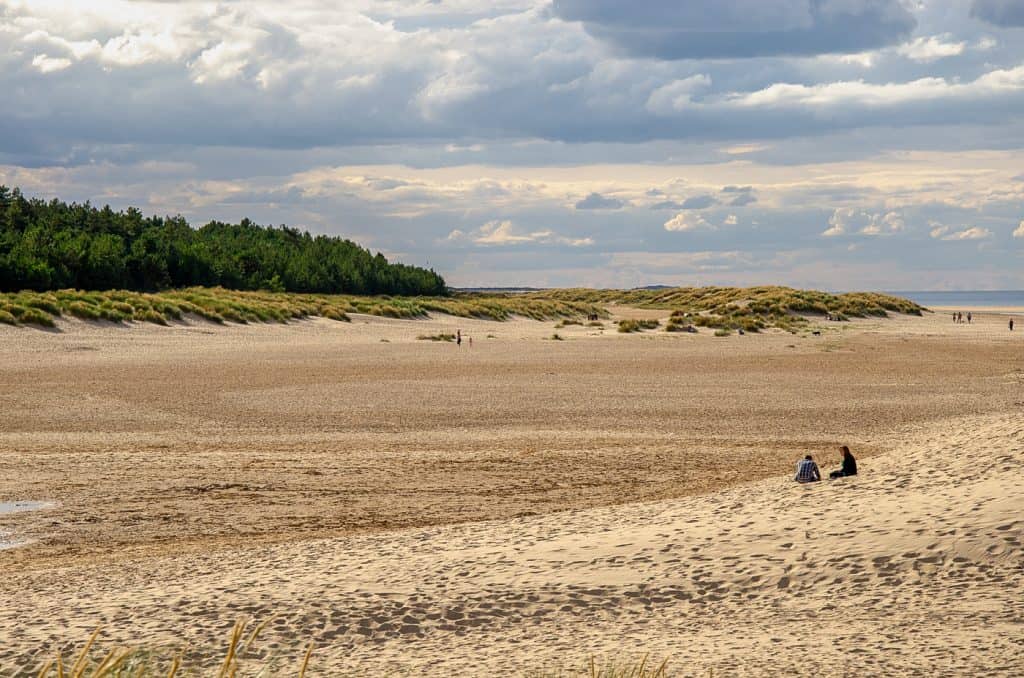
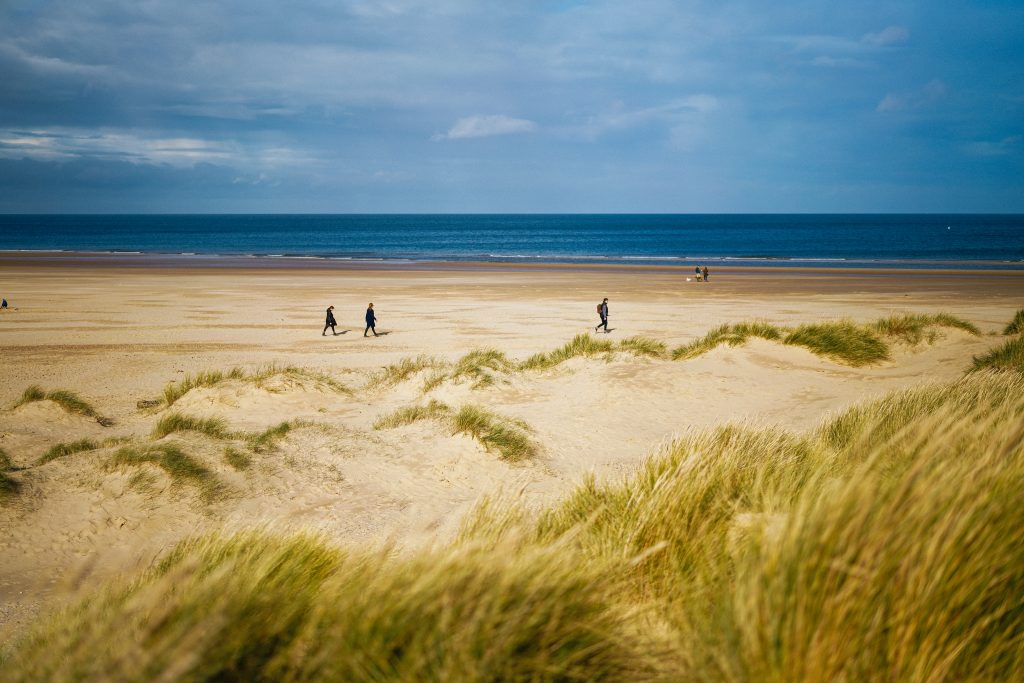
- Holkham Beach, often known as the Norfolk beach where sand meets the sky, is known for its vast golden sand and dunes. Part of the Holkham National Nature Reserve, this Norfolk beach offers one of the most unspoiled and beautiful coastal landscapes in the Norfolk Coast AONB. The dunes here are a fascinating ecosystem, supporting a variety of wildlife and plant species. Because the beach is so vast and long, it never gets crowded. You’ll always find your place away from everyone with only the sound of the sea breeze and the distant call of seabirds.
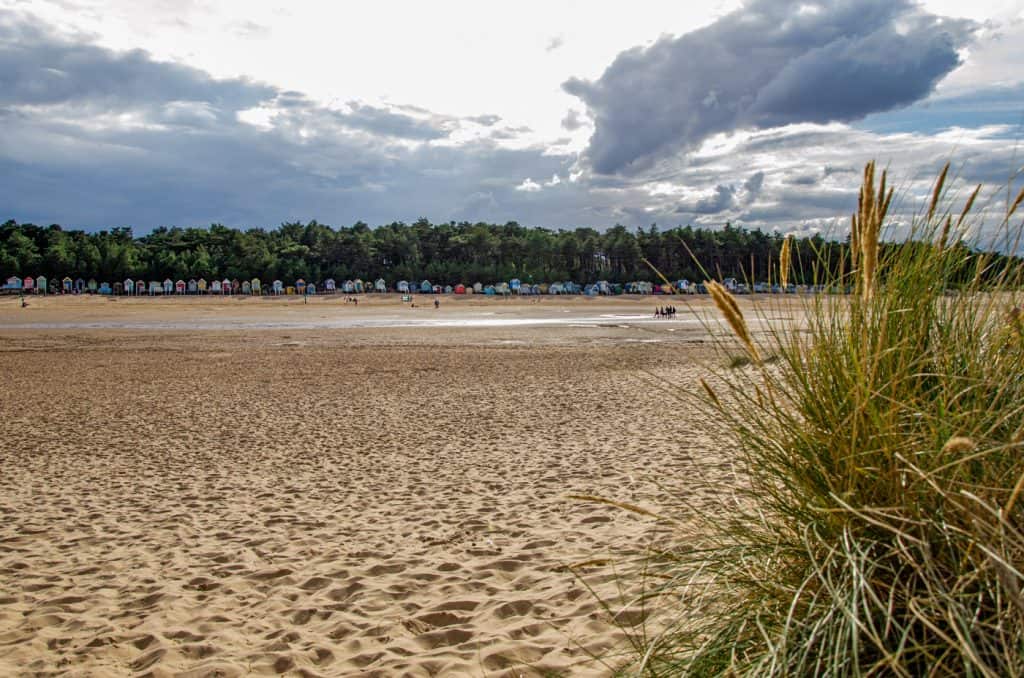
- Wells-next-the-Sea Beach, located next to Holkham Beach, is known for its picturesque line of colourful beach huts, soft sand, and pine woods. At low tide, the beach reveals a vast sandy landscape that is perfect for leisurely walks, sandcastle building, and picnicking. The pine woods offer a refreshing retreat from the sun during summer. This is a beautiful Norfolk beach you should visit.
- Brancaster Beach is known for its expansive, golden sands and clear waters, making it a favourite place among families and water sports lovers. This Norfolk beach is also home to the shipwreck of the SS Vina, visible at low tide. The area is rich in history, with Roman relics nearby. The surrounding salt marshes are a haven for wildlife, providing picturesque walks where you can immerse yourself in the natural beauty of the Norfolk coast.
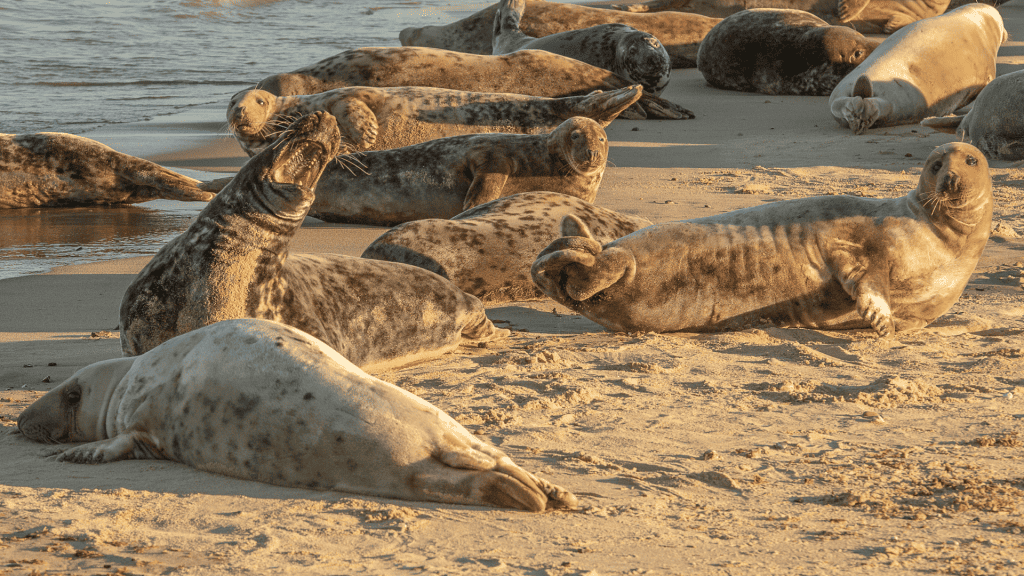
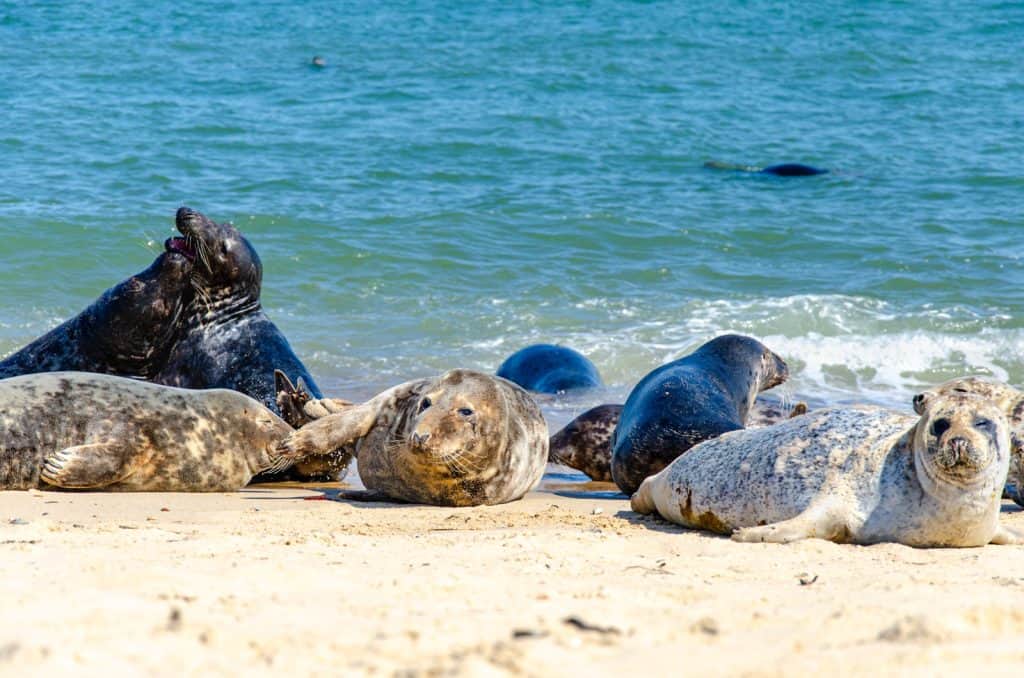
- Horsey Beach is a must-visit Norfolk beach during any season. During winter months (November – February), it becomes one of the best places in the UK to witness grey seals and their pups during the breeding season. Seeing hundreds of seals along the beach is truly a remarkable experience. If there is one place we would say you have to go during your Norfolk Coast AONB trip, it is this place. You won’t be disappointed.
2. Nature reserves
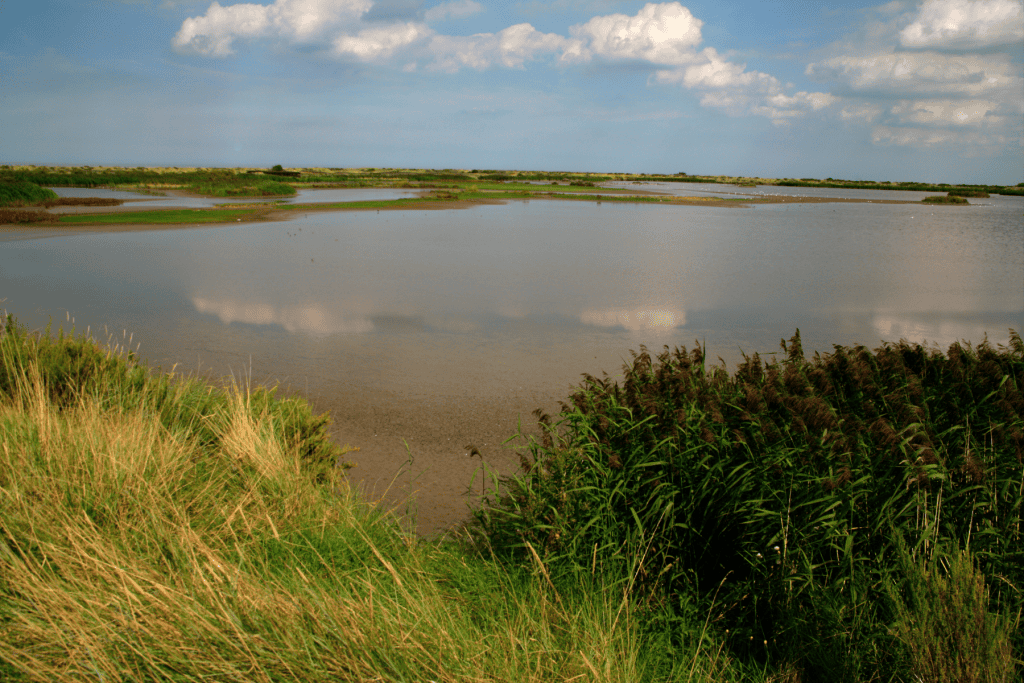
Visiting Nature Reserves is a lush experience in Norfolk Coast AONB. Local nature reserves are special. They offer a fantastic opportunity to experience the natural beauty of the Norfolk Coast AONB and learn about the area’s ecosystems and wildlife.
These are nature reserves within the Norfolk Coast AONB you must visit:
- Blakeney National Nature Reserve is a spectacular land of salt marshes, sandbanks, and mudflats. This area is a paradise for bird watchers and nature lovers. You’ll be able to see avocets, oystercatchers, and the rare marsh harrier. A walk along the marshes at sunset or sunrise is an experience not to be missed.
- Titchwell Marsh is a sanctuary for both resident and migratory birds. The reserve includes a range of habitats, from salt marshes and reed beds to sandy beaches. It’s an ideal spot for birdwatching, especially in autumn and winter, when you can find thousands of birds in this reserve. The paths through the reserve lead to a beautiful beach, where you’ll only hear the sound of nature.
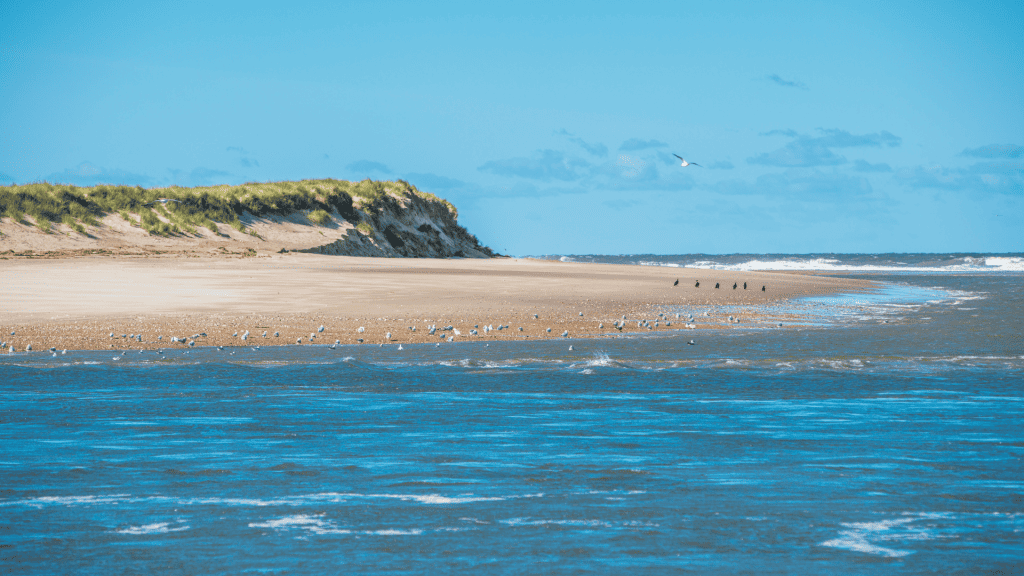
- Accessible only by a seasonal ferry or a challenging walk at low tide, Scolt Head Island is a stunning example of untouched coastal wilderness. This island features a mix of sand dunes, salt marshes, and shingle beaches, offering a sanctuary for birds and native flora. It’s an ideal spot for adventurers looking to escape the beaten path and experience a remote, natural environment. For us, this is the hidden gem in the Norfolk Coast AONB.
- Other nature reserves in the Norfolk Coast AONB that are worth a visit are the Holkham National Nature Reserve, Cley Marshes and Winterton Dunes National Nature Reserve.
3. Sand dunes
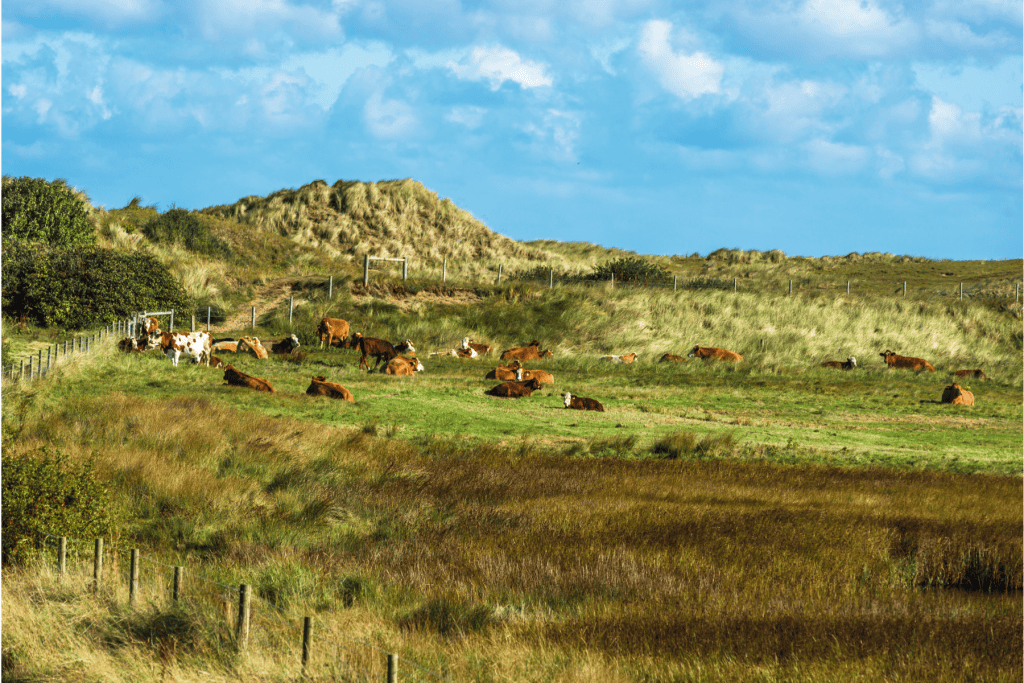
The sand dunes are a significant and beautiful feature of many coastal environments, including several places along the Norfolk Coast AONB in England. You can see them at Holkham Beach, Brancaster Beach, Scolt Head Island or Horsey Beach. The dunes play a crucial role in local coastal ecosystems by acting as barriers to erosion and flooding and providing habitats for wildlife.
4. Salt Marshes
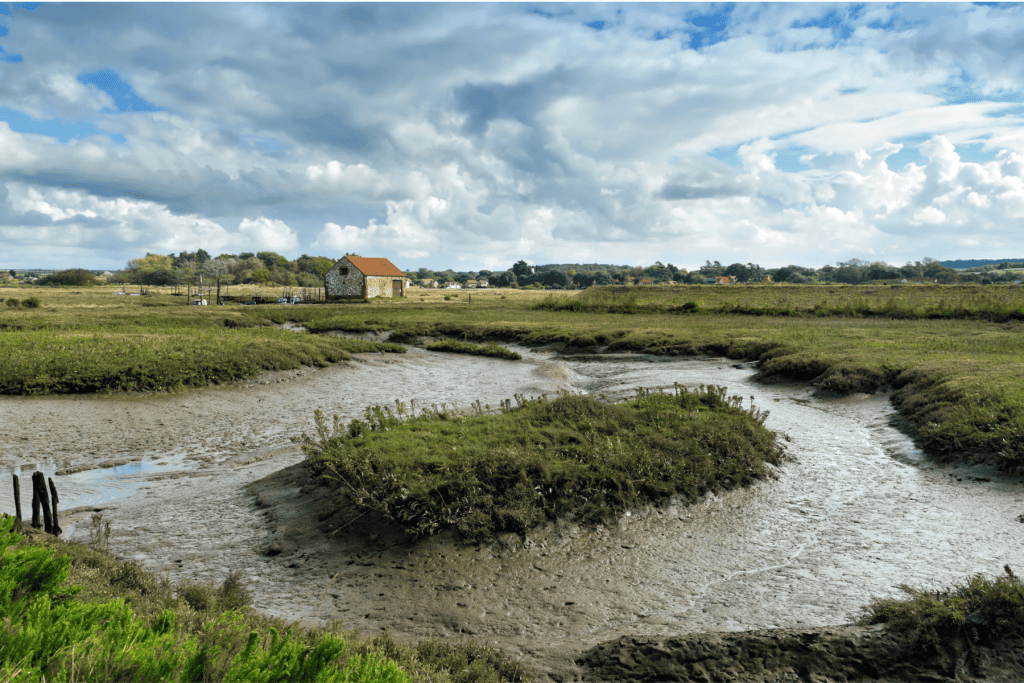
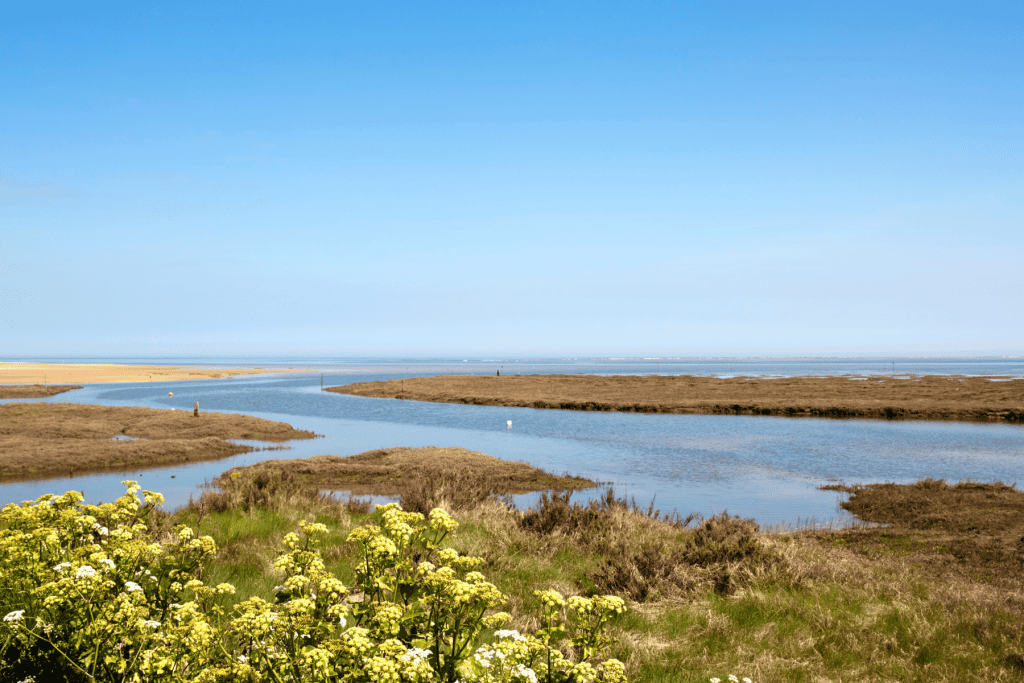
The Norfolk Coast AONB is also famous for its extensive salt marshes, which are crucial for wildlife, flood defence, and support of the unique coastal landscape. Salt marshes are coastal wetlands that are flooded and drained by salt water brought in by the tides. Salt marshes are ecosystems rich in biodiversity, providing homes for plant species, birds, fish, and invertebrates. Some of the most important or extensive salt marshes include Blakeney National Nature Reserve, Cley Marshes, Titchwell Marsh RSPB Reserve, and Scolt Head Island National Nature Reserve.
5. Seal watching
Blakeney Point is one of the best spots in the UK to watch common and grey seals in their natural habitat. You can take a boat trip from Morston Quay to see these charming creatures lounging on the sandbanks or bobbing in the water. Another must-place to go is Horsey Bay on the eastern coast of the Norfolk Coast AONB. Seeing seels is a number one activity to do in this area.
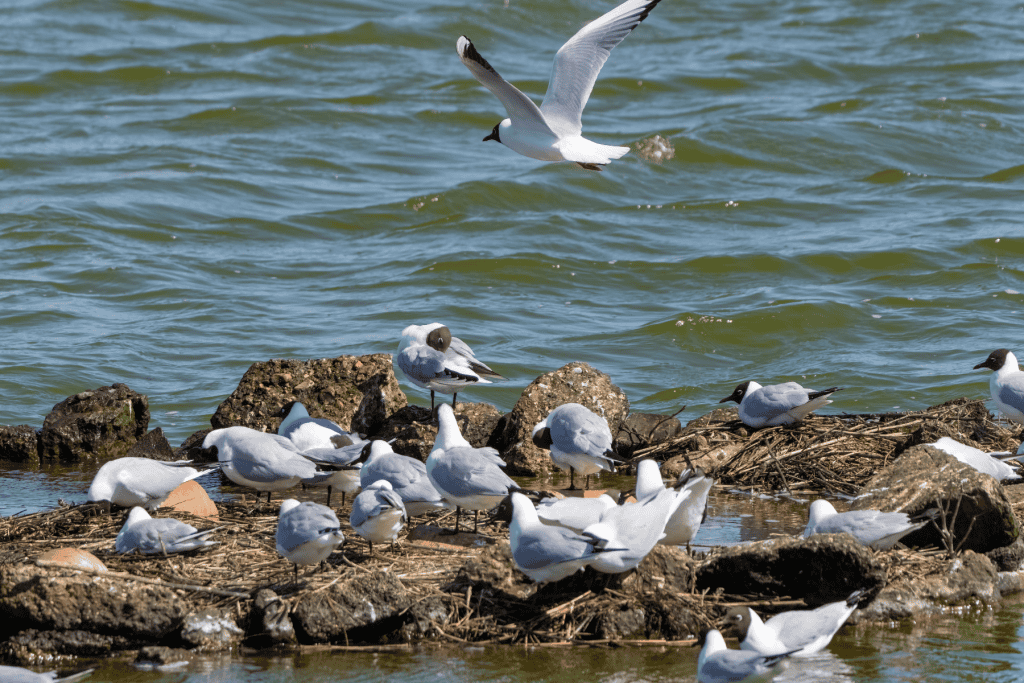
6. Birdwatching
The Norfolk Coast AONB is a haven for birdwatchers, thanks to its diverse habitats that attract a wide range of bird species throughout the year. Here are some of the best places for birdwatching within the Norfolk Coast AONB.
- Cley-next-the-Sea is known for its impressive windmill and the Cley Marshes Nature Reserve, one of the oldest and best birdwatching sites in England. The reserve’s reed beds, lagoons, and grazing marshes attract an incredible variety of birdlife year-round. Walking trails and hides provide excellent opportunities to observe the birds in their natural habitat.
- Titchwell Marsh Reserve offers a mix of freshwater lagoons, salt marshes, sandy beaches, and reed beds, making it a hotspot for birdwatching. You can see species such as bitterns, marsh harriers, and bearded tits, along with many migratory birds depending on the season.
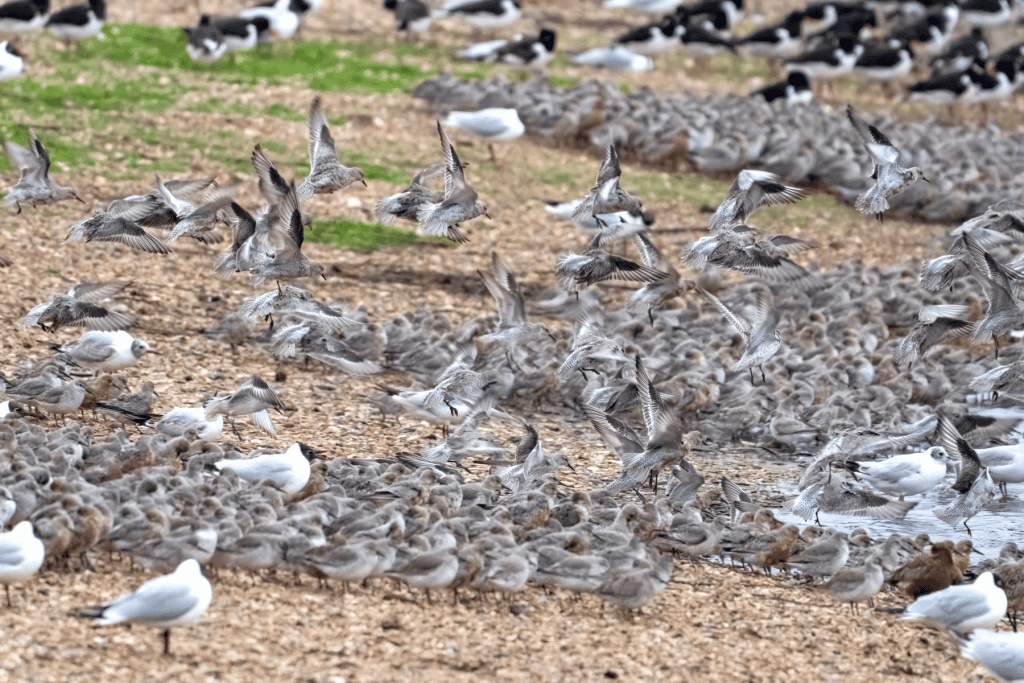
- Blakeney Point, part of this reserve, is famous for its colonies of breeding terns during the summer months and also for its winter visitors, including large flocks of waders and wildfowl. The area’s salt marshes and mudflats are excellent for birdwatching, especially from the bird hides.
- Though slightly outside the AONB, Snettisham is crucial for birdwatchers visiting Norfolk. The reserve is on the Wash, a large estuary, and is famous for its spectacular ‘bird spectacles’ where tens of thousands of wading birds gather during high tides.
- Holme Dunes is located where the Wash meets the North Sea and is excellent for observing migrating birds in spring and autumn and also breeding shorebirds in the summer.
- Part of the Holkham National Nature Reserve, Wells Woods and the surrounding area offer diverse habitats for birdwatching. The pine woodlands, dunes, and scrubland here attract a variety of species, including crossbills, goldcrests, and, in winter, snow buntings.
- Stiffkey Salt Marshes – These marshes are ideal for observing waders and wildfowl, particularly during the migration periods in spring and autumn.
Outdoor Adventures
The Norfolk Coast AONB offers fantastic outdoor adventures for nature lovers and adventure-seekers. Its diverse landscapes of beaches, salt marshes, sand dunes, and countryside are perfect for a variety of activities. Here are some of the best outdoor adventures you can embark on in the Norfolk Coast AONB:
7. Walking
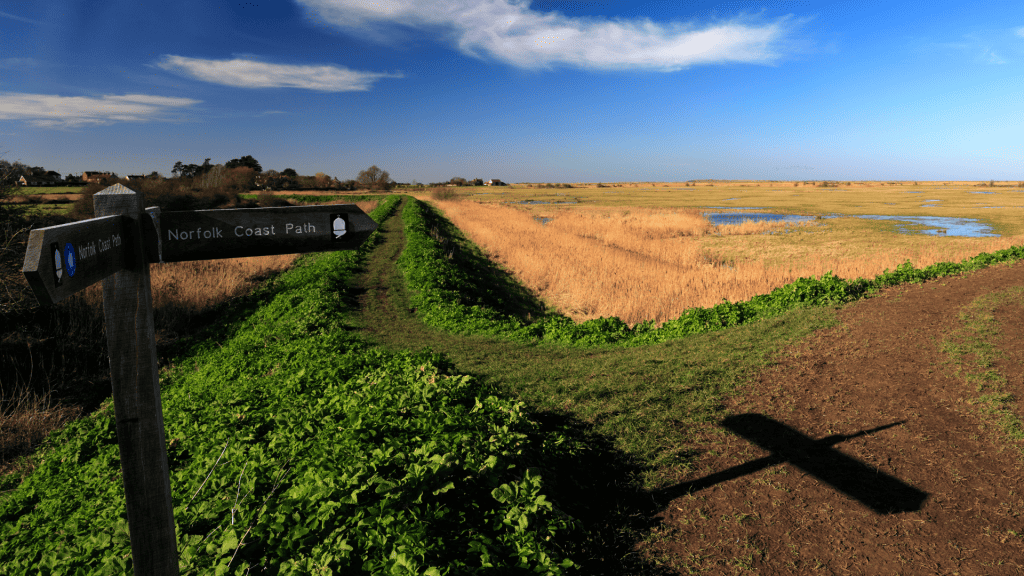
The Norfolk Coast Path runs through the Norfolk Coast AONB, offering over 80 miles of scenic trails along the coastline. It’s perfect for casual walkers and serious hikers, with routes passing through picturesque villages, salt marshes, and sandy beaches.
Here are some of the best walking trails in the area, offering everything from breathtaking coastal views to tranquil countryside strolls:
Part of the England Coast Path, the long-distance Norfolk Coast Path stretches for 83 miles from Hunstanton in the west to Hopton-on-Sea in the south, passing through the heart of the Norfolk Coast AONB. It offers varied landscapes, including cliffs, salt marshes, sandy beaches, and dunes. You can tackle the entire Norfolk Coast path or choose shorter sections for day walks.
A moderate walk that takes you to the stunning Blakeney Point, known for its seal colonies and diverse birdlife. The route covers approximately 7 miles round trip from Cley-next-the-Sea, offering views of the salt marshes and the chance to spot seals at the Point.
This walk covers a round trip and takes you from the picturesque village of Burnham Overy Staithe, through dunes and pine woodland, to the expansive and beautiful Holkham Beach. It’s an excellent choice for experiencing the varied coastal landscapes of Norfolk.
Sheringham Park offers miles of footpaths through its beautiful landscaped gardens and woodland. A popular route is the walk from the park to Sheringham seafront, where you can enjoy panoramic views of the coast and countryside.
Though just outside the Norfolk Coast AONB, this walk is worth mentioning for its spectacular birdwatching opportunities, especially during the high tide when thousands of wading birds can be seen here. The circular route around the reserve is about 2.5 miles and offers stunning views of The Wash.
This is a beautiful and relatively easy walk of around 8 miles round trip, offering views of the Wells Harbour, beach, and the extensive salt marshes towards Stiffkey. It’s great for birdwatching and enjoying the serene coastal landscape.
An easy and scenic 2-mile walk along the coastal path between Morston Quay and Blakeney. This route offers beautiful views of the salt marshes and the chance to see a variety of birdlife. It’s also a popular spot for boat trips to Blakeney Point.
Starting in the Victorian seaside town of Cromer, this circular walk of about 5 miles takes you along the cliff tops to the quiet village of Overstrand and back along the beach or inland paths, offering spectacular sea views.
This walk of approximately 3.5 miles takes you through the Holme Dunes National Nature Reserve, offering a mix of beaches, dunes, and freshwater marshes. It’s a fantastic route for observing coastal wildlife and plants.
While not entirely within the Norfolk Coast AONB, Peddars Way crosses with the Norfolk Coast Path at Holme-next-the-Sea. This ancient Roman road offers a different walking experience, taking you through the Norfolk countryside before reaching the coast.
The Deep History Coast Discovery Trail runs along 22 miles of coastline from Weybourne to Cart Gap. It offers a journey back in time to discover Norfolk’s ancient past, including significant archaeological finds like the Happisburgh footprints, the oldest evidence of human activity found outside Africa. The trail can be explored on foot or by bike.
8. Cycling
The relatively flat terrain of Norfolk makes it perfect for cycling. There are numerous routes along the coast and inland, offering a mix of challenging and leisurely rides with stunning views.
Here are some of the best cycling routes and opportunities in the Norfolk Coast AONB:
The Norfolk Coast Cycleway runs parallel to much of the Norfolk Coast Path and is part of National Cycle Network Route 1. It offers a scenic and safer alternative to the main A149 road, with quiet lanes and stunning views. The route stretches approximately 59 miles from King’s Lynn to Cromer, passing through several charming villages and close to many of the area’s main attractions. It’s well-signposted and can be tackled in sections, making it perfect for day trips.
Although primarily known as a walking route, Peddars Way is also popular with cyclists. This ancient Roman road offers a mix of off-road tracks and quiet country lanes, leading you through the Norfolk countryside to the coast at Holme-next-the-Sea. It’s a great choice for those looking for a more challenging ride with a mix of terrain.
The Holkham Estate offers a variety of cycle paths through its stunning parkland, which is part of the Norfolk Coast AONB. You can explore the estate’s quiet roads and tracks, enjoying the beautiful scenery and wildlife. The estate also offers cycle hire, making it easy for everyone to enjoy.
This relatively short but scenic route takes you from the picturesque village of Burnham Overy Staithe along quiet country lanes and bridleways to Wells-next-the-Sea. The route offers beautiful views of the countryside and coast, including salt marshes and sand dunes.
Numerous circular cycling routes take in the picturesque villages and countryside of North Norfolk. These routes vary in length and difficulty, offering something for every level of cyclist. They’re a great way to experience the rural charm of the area, with plenty of opportunities for refreshments along the way.
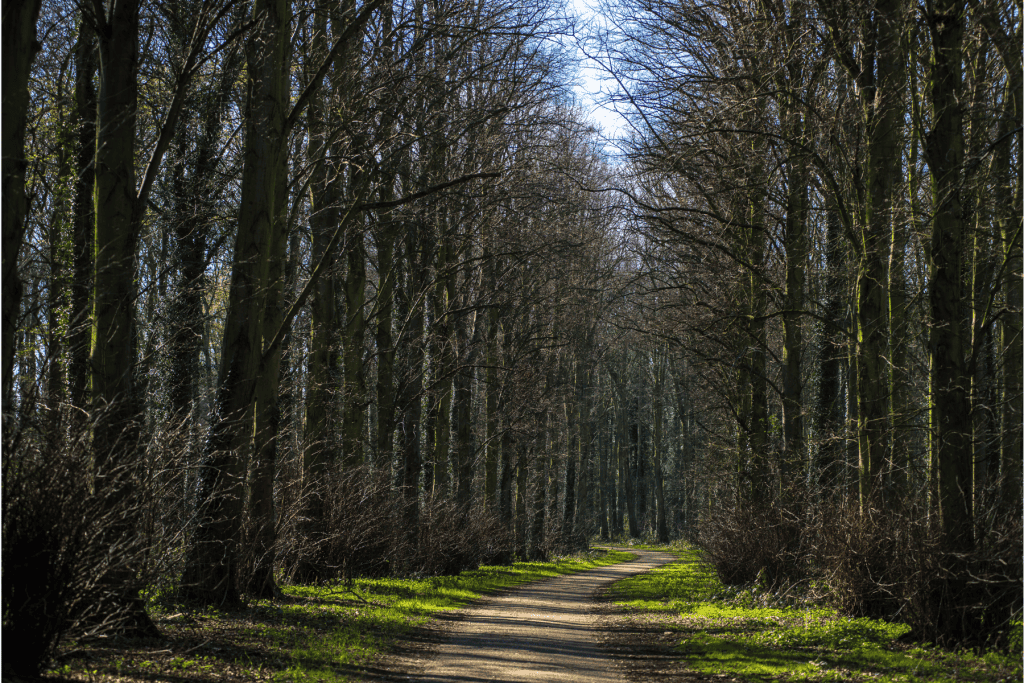

9. Sailing and Boating
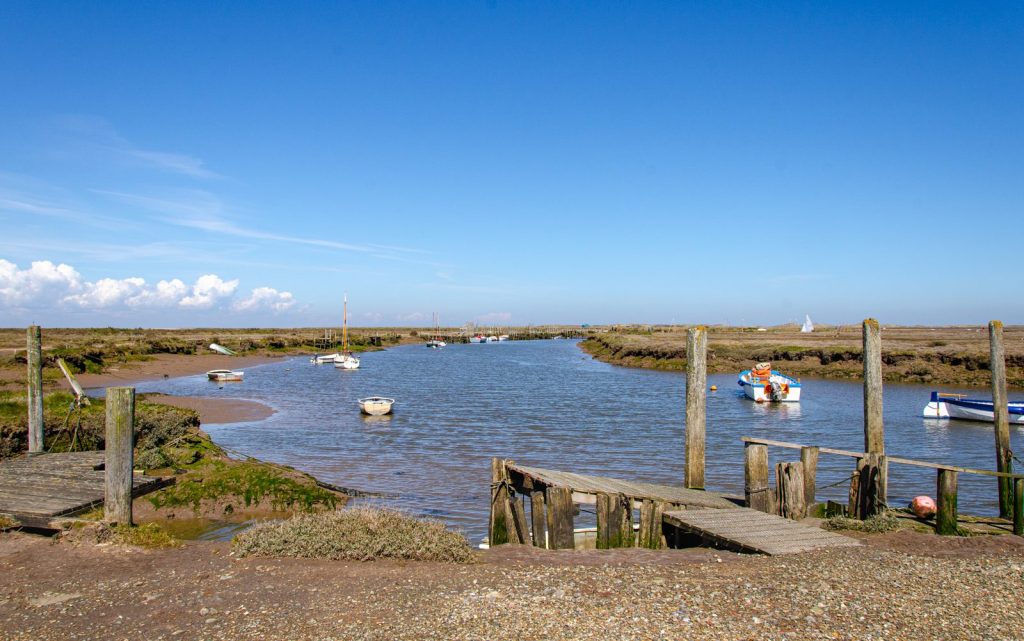
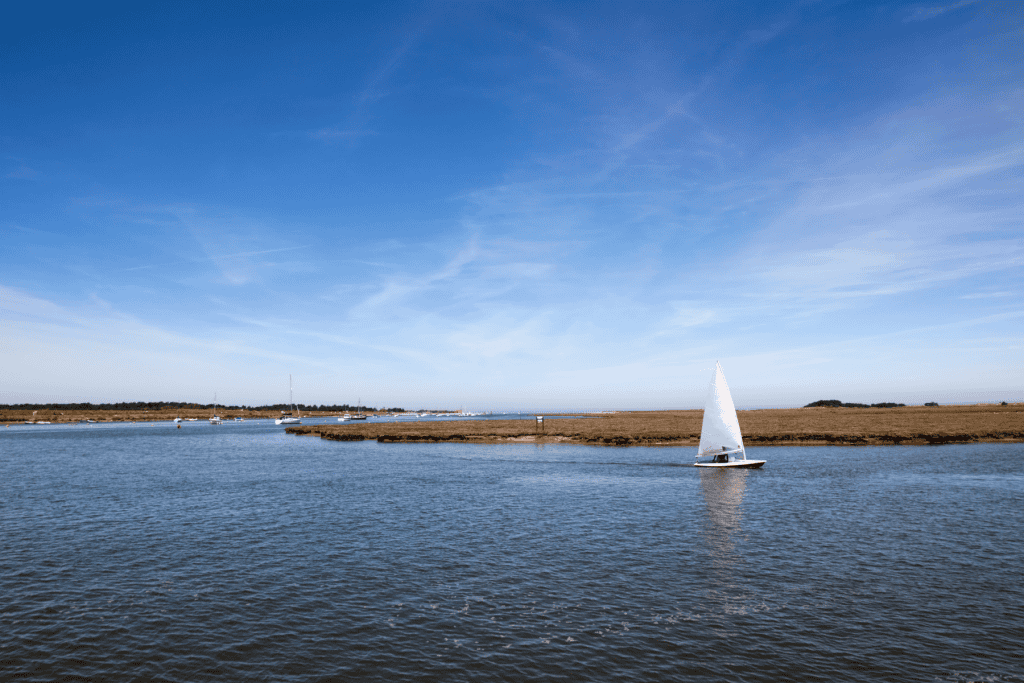
The sheltered waters of the coastline are ideal for sailing and boating. Whether you’re renting a boat for the day or taking a guided tour, the waterways offer a unique perspective on the area’s natural beauty.
Some areas, especially the channels through salt marshes, can be challenging to navigate. Consider hiring a boat with a skipper if you’re inexperienced, or ensure you have a good understanding of the local waterways.
Here’s an overview of the best places for sailing and boating in the Norfolk Coast AONB.
- Blakeney and Morston Quay
These coastal spots are popular for traditional sailing and seal-watching trips. They are perfect for sailing dinghies, traditional Norfolk crab boats, and taking guided boat tours to see the seal colonies. You can hire boats or join organised boat trips from Morston Quay.
- Wells-next-the-Sea
This charming port town has a small harbour and is accessible through a narrow channel from the sea, leading to extensive salt marshes and sandy beaches. It’s suitable for small sailing boats, kayaks, and stand-up paddleboards. The area is also great for leisurely cruises and birdwatching. Local operators offer boat hire services, including small sailing boats and kayaks, allowing you to explore the coastal waters at your own pace.
- Hunstanton
Known for its unique position on the east coast of England but facing west, Hunstanton offers beautiful sunsets and a wide sandy beach, ideal for water sports. This area is great for kitesurfing, windsurfing, and sailing. The sea conditions here can be more suited to experienced sailors and water sports enthusiasts. Equipment hire and lessons are available in Hunstanton.
TIP: The Norfolk Broads
The Norfolk Broads, not far away from the east part of Norfolk Coast AONB, is a network of navigable rivers and lakes offering over 125 miles of lock-free waterways. It’s known for its scenic beauty, wildlife, and tranquil boating experiences. Numerous boatyards and marinas offer a wide range of vessels for hire, from day boats and sailboats to luxury cruisers. Some popular places for hiring boats include Wroxham, Horning, and Potter Heigham.
10. Kayaking and Canoeing
Explore the serene waterways and the coastline by kayak or canoe. Its unique blend of tranquil waters, challenging tidal channels, and scenic beauty makes it an ideal destination. Here are the best places for kayaking and canoeing along the Norfolk Coast AONB.
- Brancaster Staithe
Brancaster Staithe is a prime spot for kayaking and canoeing, known for its stunning coastal scenery and accessible waterways. This area offers paddlers the chance to explore the serene waters of the North Norfolk coastline, including the opportunity to navigate through the salt marshes.
- Blakeney Point
Blakeney Point offers a unique kayaking and canoeing experience, allowing you to paddle around the Point and potentially spot the famous seals that bask on the sandbanks. The area is part of the Blakeney National Nature Reserve, offering spectacular views and a tranquil paddling experience. The Coastal Exploration Company in nearby Wells-next-the-Sea offers traditional wooden kayak and canoe hire, along with guided tours that enrich the paddling experience with local knowledge and expertise.
- Thornham
Thornham is a lesser-known gem for kayaking and canoeing, offering a quiet and serene paddling experience. This quaint village provides access to the calm waters of Thornham Creek.
TIP: Hickling Broad
Hickling Broad, part of the Norfolk Broads, is the largest broad and provides a more sheltered waterway for kayaking and canoeing, making it perfect for beginners and families. Wroxham, often considered the heart of the Norfolk Broads, is an excellent starting point for a paddling adventure along the River Bure. The gentle flow of the river is suited for all skill levels, offering picturesque landscapes of countryside, wildlife, and classic Norfolk windmills.
11. Windsurfing & Paddleboarding
Norfolk Coast AONB is also a fantastic destination for windsurfing and stand-up paddleboarding (SUP), with its varied coastline offering conditions suitable for both beginners and experienced enthusiasts. Here are some best spots for these activities.
- Windsurfing at Hunstanton
Hunstanton is known for its excellent windsurfing conditions, particularly for beginners and intermediates. The area’s shallow and calm waters at low tide provide a safe environment for learning and improving your skills. The beach faces west, making it one of the few places on the east coast where you can enjoy windsurfing with the sun setting over the sea. Hunstanton Watersports offers a range of services, including windsurfing equipment hire and lessons for all levels.
- Paddleboarding at Wells-next-the-Sea
Wells-next-the-Sea provides an idyllic setting for stand-up paddleboarding, with its sheltered harbour and scenic backdrop of sandy beaches and pine trees. The calm waters in the harbour are perfect for beginners, while more experienced paddlers can venture out into the open sea or explore the creeks and salt marshes. North Norfolk Paddleboards offers guided tours that take you through some of the most picturesque parts of the Norfolk Coast, making it a perfect way to explore the area’s natural beauty.
- Windsurfing and SUP at Brancaster
Brancaster is another excellent location for both windsurfing and stand-up paddleboarding, offering open sea conditions and beautiful sandy beaches. The calm days are perfect for paddling around the coast and exploring the nearby Scolt Head Island National Nature Reserve.
TIP SUP at Hickling Broad
For those interested in stand-up paddleboarding away from the sea, Hickling Broad offers a fantastic freshwater alternative. The largest of the Norfolk Broads, it provides a vast expanse of calm water ideal for SUP. The scenery, wildlife, and tranquillity of paddling on the broads offer a completely different experience from coastal paddle boarding.
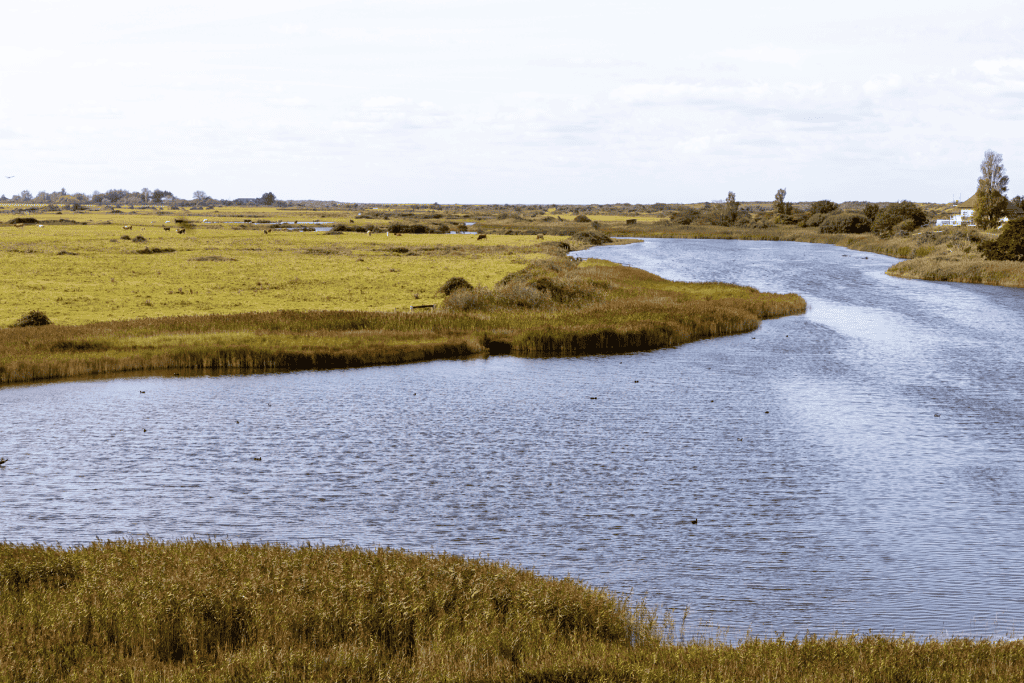
12. Horse Riding
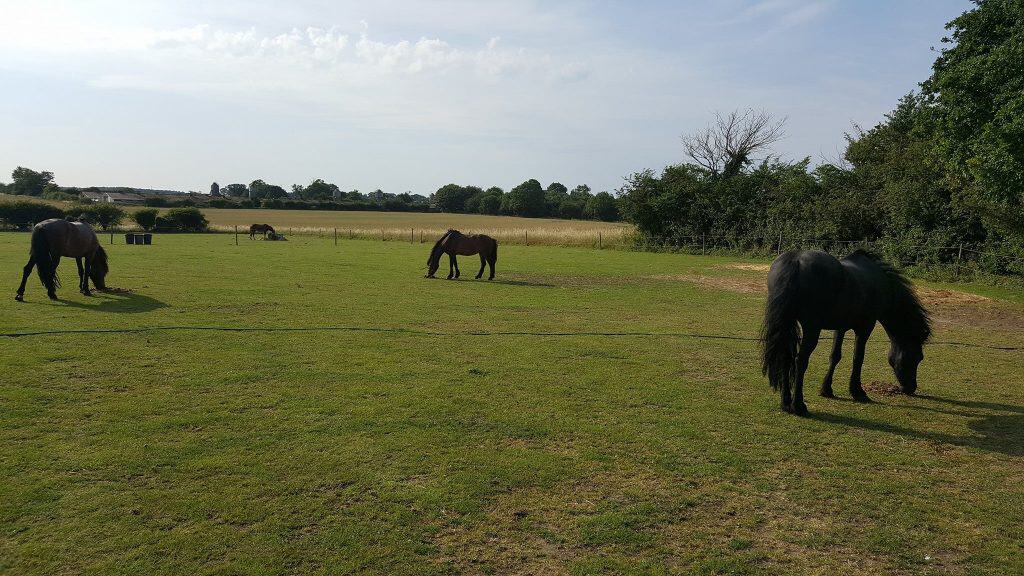
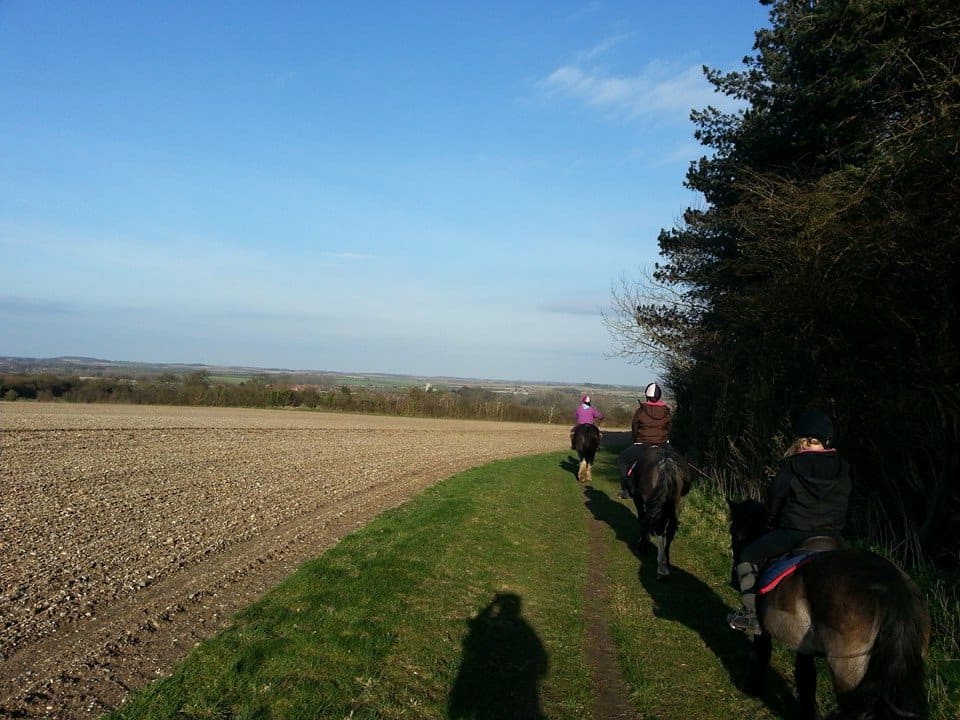
Horse riding is another fantastic activity that can be enjoyed along the Norfolk Coast AONB, offering a unique way to explore the area’s diverse landscapes. Here are some great places for horse riding.
- Snettisham Park
Snettisham Park is a working farm and a fantastic place for horse riding. They offer a variety of riding experiences suitable for both beginners and more experienced riders. The park’s unique appeal lies in its guided hacks that take you through the stunning Norfolk countryside, offering a chance to ride amongst the farm’s deer herd and enjoy panoramic views of the sea. Their riding school provides lessons and ponies for all ages, making it a fabulous family-friendly destination.
- North Norfolk Riding Centre
Located in the heart of the North Norfolk countryside, the North Norfolk Riding Centre offers lessons, hacks, and beach rides for riders of all abilities. The centre is known for its friendly atmosphere and qualified instructors who ensure a safe and enjoyable experience. Beach rides are a particular highlight, an activity that is truly memorable for any horse lover.
- Blackborough End Equestrian Centre
Blackborough End Equestrian Centre, situated on the edge of the Norfolk Coast AONB, offers horse riding services, including lessons, hacks, and livery services. The centre caters to all levels, from beginners to advanced riders, and is set in a picturesque location that provides a peaceful riding experience. The surrounding countryside offers a network of quiet lanes and bridleways perfect for exploring on horseback.
13. Golfing
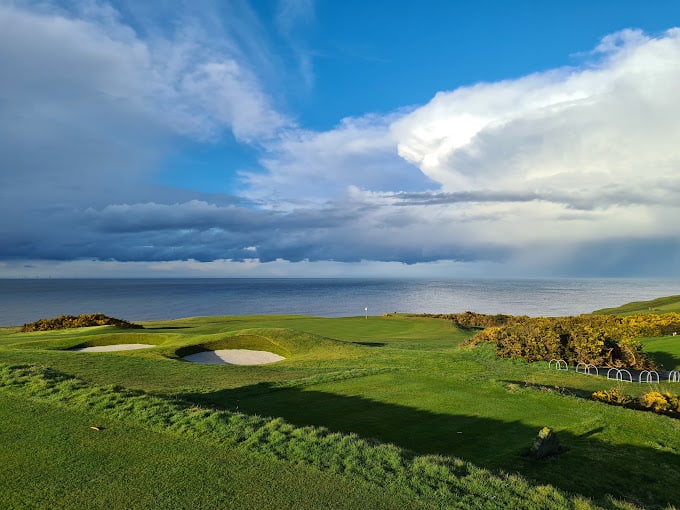
Playing golf is another popular activity in the Norfolk Coast AONB, with several picturesque courses offering challenges for golfers of all skill levels. Here are some of the best golf courses to enjoy the Norfolk Coast AONB landscape.
- Royal West Norfolk Golf Club (Brancaster)
The Royal West Norfolk Golf Club, also known as Brancaster, is one of the most unique and traditional links courses in England. It’s located right on the coast and offers spectacular views of the North Sea. The course is known for its challenging holes, natural obstacles, and the influence of the tide, which can isolate the course from the mainland at high tide. It’s a must-play for the serious golfer visiting Norfolk.
- Hunstanton Golf Club
Hunstanton Golf Club is another premier links course in Norfolk, renowned for its challenging layout and the stunning sea views it offers. It has hosted numerous amateur and professional tournaments. Is known for its fast, true greens and a layout that demands strategic play.
- Sheringham Golf Club
Sheringham Golf Club boasts one of the most scenic courses in the UK, with several holes offering majestic views over the North Sea and the surrounding countryside. The course is perched on the cliffs of the North Norfolk coast, creating a challenging round for golfers.
- Royal Cromer Golf Club
Established in 1888, Royal Cromer Golf Club is another gem on the Norfolk coast, offering spectacular cliff-top views and a challenging round of golf. The course is well-known for its fast, true greens and the use of natural terrain to create a variety of challenging holes. The wind plays a significant factor here, adding an extra layer of challenge and requiring strategic play to score well.
14. Stargazing
Stargazing in the Norfolk Coast AONB is a magical experience due to the low light pollution and the vast open skies. The area’s natural beauty and tranquillity make it an ideal location for observing the night sky. Here are some of the best places for stargazing in the Norfolk Coast AONB.
- Kelling Heath is known for its dark skies and is a favourite among amateur stargazers. The park organises stargazing events and has been the site of the popular “Star Party,” attracting fans from across the country. Its location away from city lights and its open heathland provides clear views of the night sky.
- Wiveton Downs is another excellent stargazing spot within the Norfolk Coast AONB, offering expansive views of the sky. Its elevated position helps in reducing horizon light pollution, enhancing the visibility of stars and galaxies. The area is accessible, and its natural setting provides a peaceful backdrop for a night spent under the stars.
- Titchwell Marsh RSPB Reserve also offers fantastic stargazing opportunities. The reserve’s coastal location and minimal light pollution create ideal conditions for observing the Milky Way, shooting stars, and various celestial events. The sounds of nocturnal wildlife add to the ambience, creating a unique experience.
- Barrow Common near Brancaster is a lesser-known location that provides stunning night skies. Its open landscape and high vantage point over the North Sea minimise light pollution, offering clear views of the stars. It’s a tranquil spot perfect for those looking to escape the crowds and enjoy a quiet evening of star gazing.
TIP: When planning a star gazing trip to the Norfolk Coast AONB, it’s essential to check the lunar calendar and aim for nights when the moon is not full to ensure the darkest skies possible. Also, bringing along a star map or a star gazing app can enhance your experience by helping you identify constellations and planets. Always dress warmly, as nights can get chilly, and consider bringing a chair or a blanket for comfort during extended viewing sessions.
15. Viewpoints
In a predominantly flat region, seeing the Norfolk Coast AONB from a viewpoint is a great experience. If you are looking to capture the beauty of Norfolk coast AONB from above, we can recommend visiting these places.
- Beeston Bump: This is one of the few prominent hills in Norfolk, offering panoramic views of the North Sea, Sheringham, and the surrounding countryside. The climb to the top of Beeston Bump is relatively easy and will reward you with stunning views.
- Cromer Church Tower: The tower of Cromer Parish Church, also known as St Peter and St Paul, is one of the tallest in Norfolk and offers climbers breathtaking views over Cromer, the coastline, and the surrounding area. The effort to ascend the tower is rewarded with one of the best views in the region.
- Kelling Heath: Offering some of the highest land in the area, Kelling Heath is an excellent spot for expansive views of the Norfolk Coast AONB and the surrounding heathland.
- Weybourne Hope: Not a tower or hill, but the elevated coastline around Weybourne offers excellent views out to sea and along the coast. It’s a strategic point with historical significance.
- While not directly on the coast, Sheringham Park offers breathtaking views of the Norfolk coastline from its elevated points. The park’s lookout point, Viewing Gazebo, provides panoramic views.
Cultural Heritage
The Norfolk Coast AONB is rich in history, with significant historical sites that include castles, lighthouses, and ancient churches. They offer a unique window into the past, telling stories of the region’s heritage, architecture, and the people who shaped its history.
16. Castles
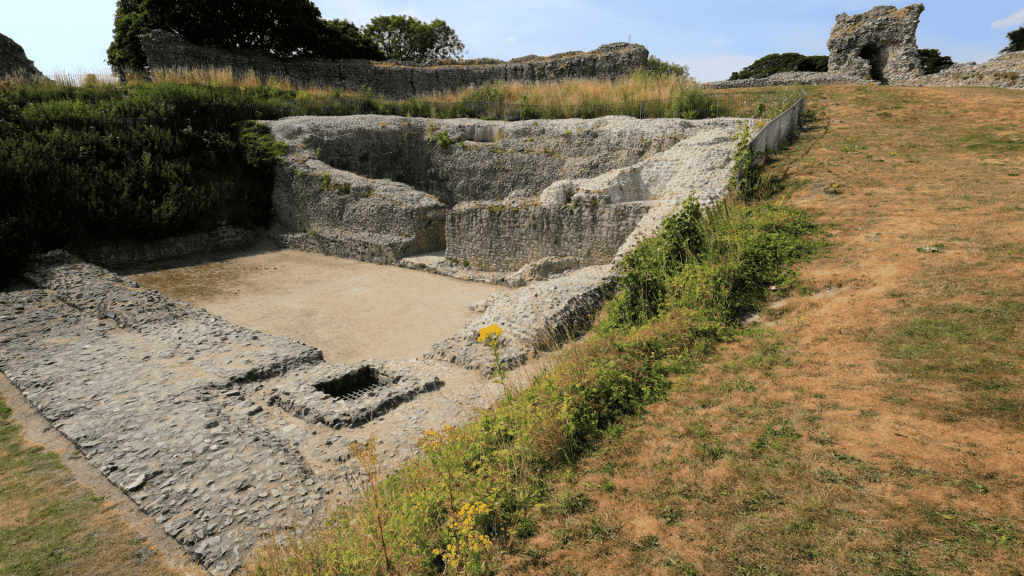
- Castle Rising is one of the most famous 12th-century castles in England. The castle is known for its well-preserved massive earthworks and the stunning keep, which is a testament to Norman military architecture. The site has a rich history, including a time when it was the royal residence of Queen Isabella, mother of Edward III.
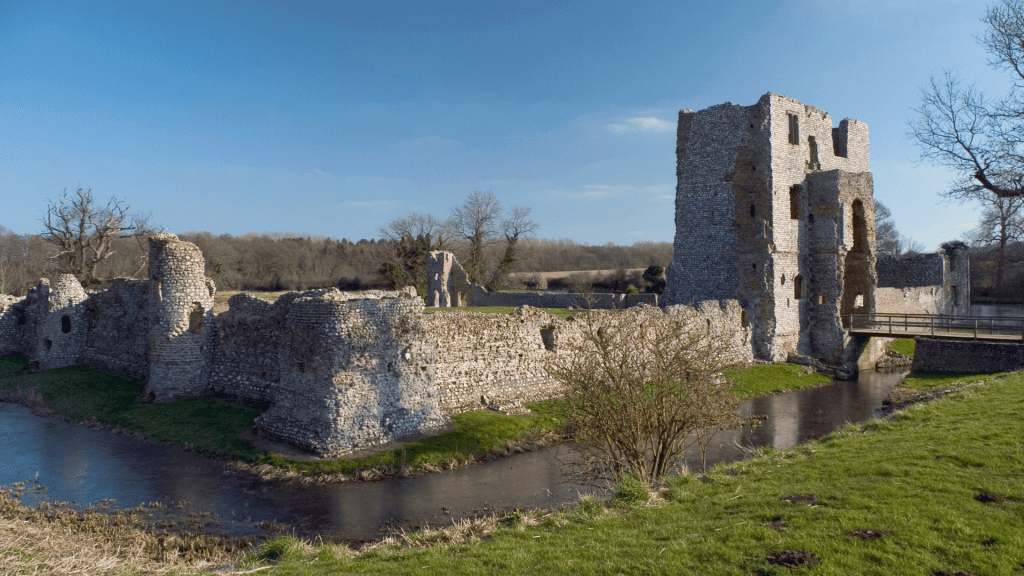
- Baconsthorpe Castle, situated near Holt, is a hidden gem with over 200 years of history. This fortified manor house, now in ruins, showcases the rise and fall of the Heydon family. The picturesque ruins, surrounded by a moat, reflect the transition from a medieval stronghold to a Tudor mansion, offering a fascinating glimpse into the past.
- Burgh Castle is one of the best-preserved Roman fort ruins in the country, located just outside the Norfolk Coast AONB near the town of Great Yarmouth. The fort, dating back to the late 3rd century, was part of the coastal defences against Saxon raids. It offers stunning views over Breydon Water and the surrounding marshes.
17. Lighthouses
The Norfolk Coast AONB features several notable lighthouses. While some of these might be on the edge of or just outside the area, they are within a short driving distance and worth a visit for their historical significance and the scenic views they offer. Here are a few lighthouses in or near the Norfolk Coast AONB:
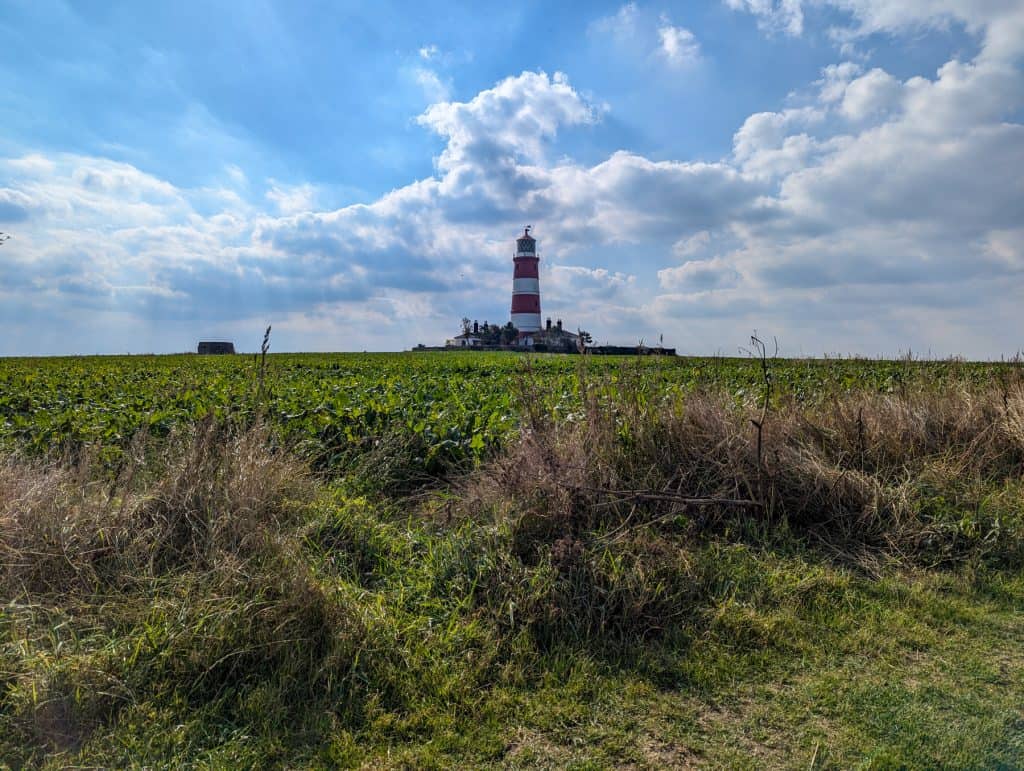
- Happisburgh Lighthouse is the oldest working lighthouse in East Anglia and the only independently operated lighthouse in Great Britain. It’s known for its distinctive red and white stripes and offers occasional open days for tours. Built in 1790, it is a prominent landmark on the Norfolk coast. The lighthouse has been guiding vessels safely around the Haisborough Sands for centuries. You might be able to climb the lighthouse for spectacular views of the surrounding area.
- Cromer Lighthouse has been guiding vessels safely to shore since its construction in 1833. The lighthouse’s iconic white tower remains a crucial part of the maritime safety landscape and a point of interest for anyone fascinated by its history and operational significance.
- Winterton Lighthouse, although no longer operational and not open to the public, is a beautiful historical building near the Winterton sandy beach.
18. Halls and Estates
The Norfolk Coast AONB features several magnificent halls and estates. While not all are located directly within the boundaries of the AONB, many are situated close enough to be of interest to those exploring the area. Here are some notable halls and estates in and around the Norfolk Coast AONB:
- Holkham Hall is one of England’s most majestic stately homes located within the Norfolk Coast AONB. This 18th-century Palladian mansion is set in a stunning 25,000-acre estate, which includes the Holkham National Nature Reserve, beautiful gardens, and a deer park. The hall is renowned for its architecture, art collection, and original furniture.
- The Sandringham Estate, the Norfolk retreat of the royal family, is located near the AONB. The estate includes Sandringham House, set in 24 hectares of gardens, and a 600-acre park, both of which are open to the public. The estate also features the Sandringham Church and a museum showcasing royal vehicles.
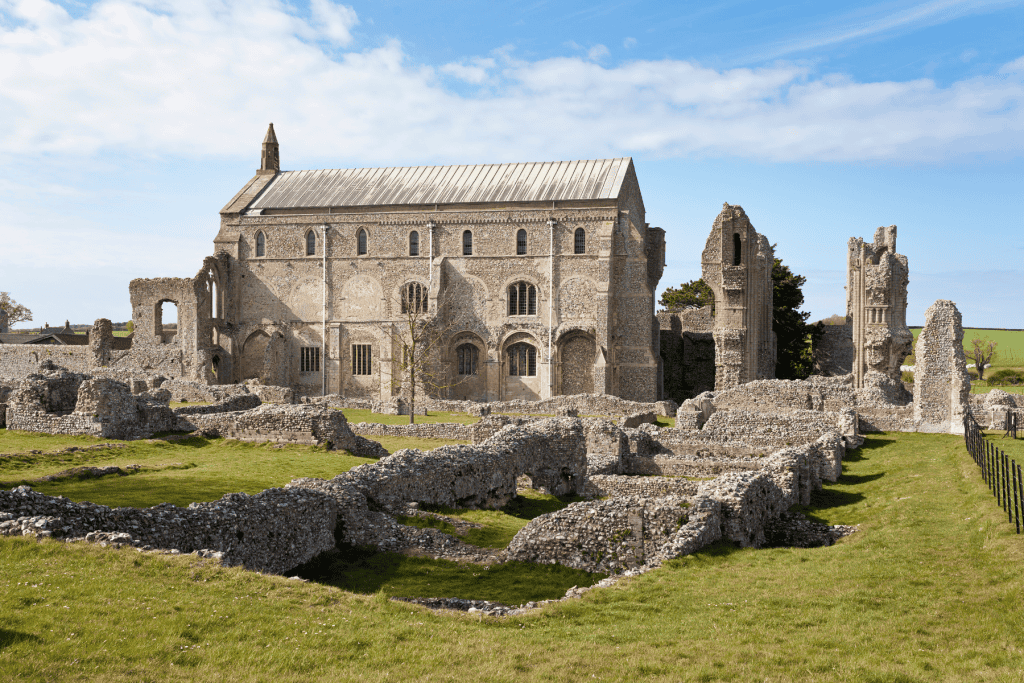
- Binham Priory, located within the beautiful North Norfolk countryside, is the partial ruins of a Benedictine priory founded in the late 11th century. The ruins offer a hauntingly beautiful look at medieval architecture.
- Felbrigg Hall is located just a short distance from the coast. This 17th-century country house is known for its elegant Georgian interior, walled garden, a vast estate with a lake, woodland walks, and rolling parkland.
- Voewood is a unique Arts and Crafts house located near Holt. It is considered one of the great Arts and Crafts houses in England. Built-in 1905, the house is known for its distinctive architecture and artistic interiors.
- While not a hall or manor house, Sheringham Park is an estate with magnificent landscaped gardens and parkland designed by the famous landscape architect Humphry Repton. The park offers stunning coastal views, beautiful rhododendrons and azalea walks, and the opportunity to explore its diverse habitats.
19. Museums
Norfolk is home to an impressive collection of museums that cater to a wide range of interests, from maritime history and natural heritage to fine art and royal collections. The best museums to visit in or near the Norfolk Coast AONB are:
- The Muckleburgh Military Collection
The Muckleburgh Military Collection is the UK’s largest privately owned military museum. The collection includes tanks, armoured vehicles, guns, and military equipment. The museum also offers tank driving experiences and live demonstrations, providing a unique insight into military history.
- Lynn Museum
Located in King’s Lynn, the Lynn Museum tells the story of West Norfolk’s rich history. Its star exhibit is the 4,000-year-old Seahenge, an early Bronze Age timber circle discovered on the Norfolk coast. The museum also explores the town’s development through the ages, from its medieval prosperity as a port to its present-day role.
- Cromer Museum
It offers a glimpse into the local history, including the town’s famous lifeboat service and the story of the Cromer crab fishery. The museum is housed in Victorian fishermen’s cottages, providing an authentic place for the exhibits.
- The RNLI Henry Blogg Museum
Also in Cromer, this museum is dedicated to the life and times of Henry Blogg, the most decorated lifeboatman in RNLI history. It tells the story of the lifeboats and their crews who have worked off the Cromer coast.
- Sheringham Museum (The Mo)
This museum showcases the town’s history of its maritime and railway heritage. The museum also highlights Sheringham’s development as a popular seaside resort. It features a beautiful collection of lifeboats and exhibits related to the local fishing industry and the town’s social history.
- The Shell Museum in Glandford
The UK’s oldest shell museum offers an exquisite collection of shells from around the world. It’s a quirky and educational visit for those interested in natural history.
Other fantastic things to do and places to visit in the Norfolk Coast AONB
20. Picturesque Towns and Villages
Norfolk Coast AONB is dotted with picturesque towns and villages, each boasting its unique charm, history, and natural beauty. From quaint coastal villages with stunning sea views to historic market towns filled with medieval architecture, there’s so much to explore. Here are some of the most beautiful towns and villages in the Norfolk Coast AONB:
- Blakeney
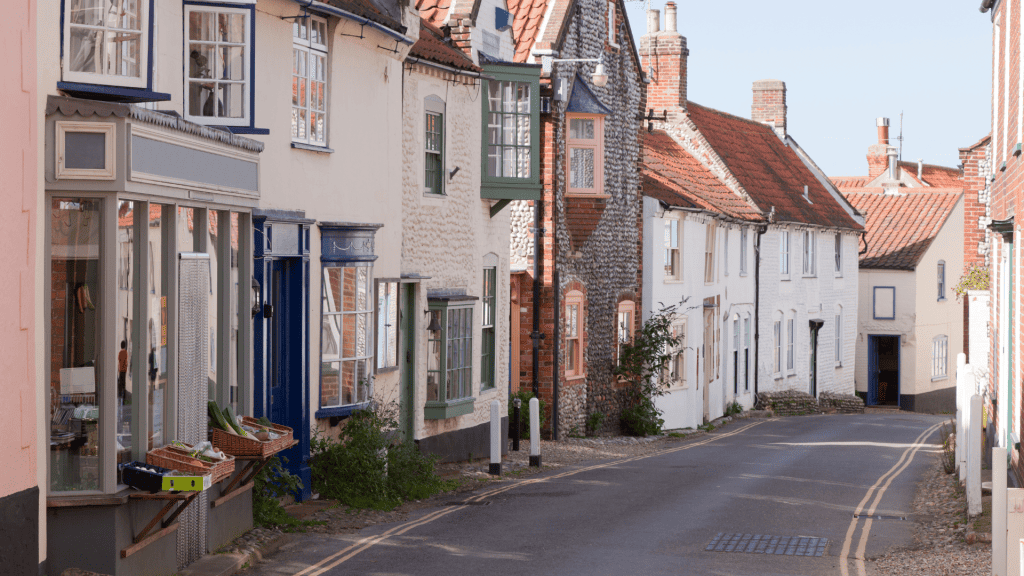
Blakeney is a charming coastal village known for its narrow, winding streets, traditional flint cottages, and picturesque quay that offers stunning views across the marshes. It’s a popular spot for birdwatching, sailing, and enjoying the serene beauty of the Norfolk coast. The village is also a great starting point for walks to Blakeney Point, home to a colony of seals.
- Burnham Market
Often referred to as “Chelsea-on-Sea” due to its boutique shops, fine dining restaurants, and art galleries, Burnham Market is a vibrant village that retains its traditional Norfolk charm. The village green is surrounded by Georgian buildings, making it a picturesque spot for a stroll or an afternoon tea.
- Holt
Holt is a historic market town that boasts a wealth of Georgian architecture. Its streets are full of independent shops, art galleries, antique stores, and cafes. Holt is particularly magical at Christmas when the town is adorned with festive lights, making it a perfect destination for holiday shopping and seasonal cheer.
- Wells-next-the-Sea
Wells-next-the-Sea combines the appeal of a traditional seaside town with the tranquillity of a picturesque fishing port. Its beautiful beach, backed by pine woods and colourful beach huts, is a highlight, as is the bustling quay, where you can catch crabs or enjoy freshly caught seafood. The town’s narrow streets and alleys are filled with charming shops and cafes.
- Cley next to the Sea
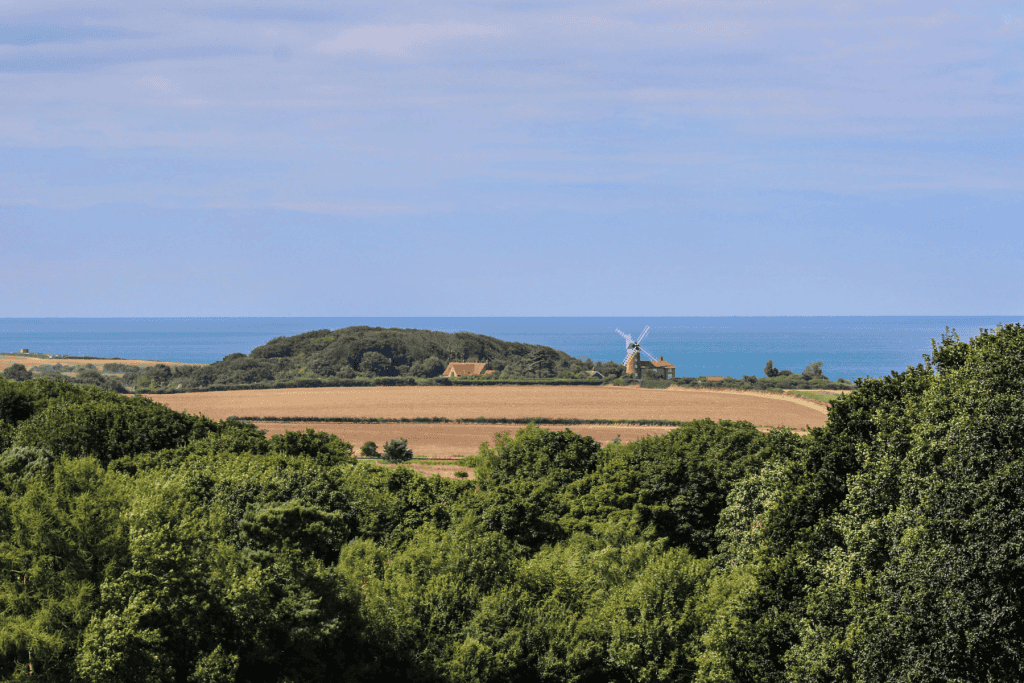
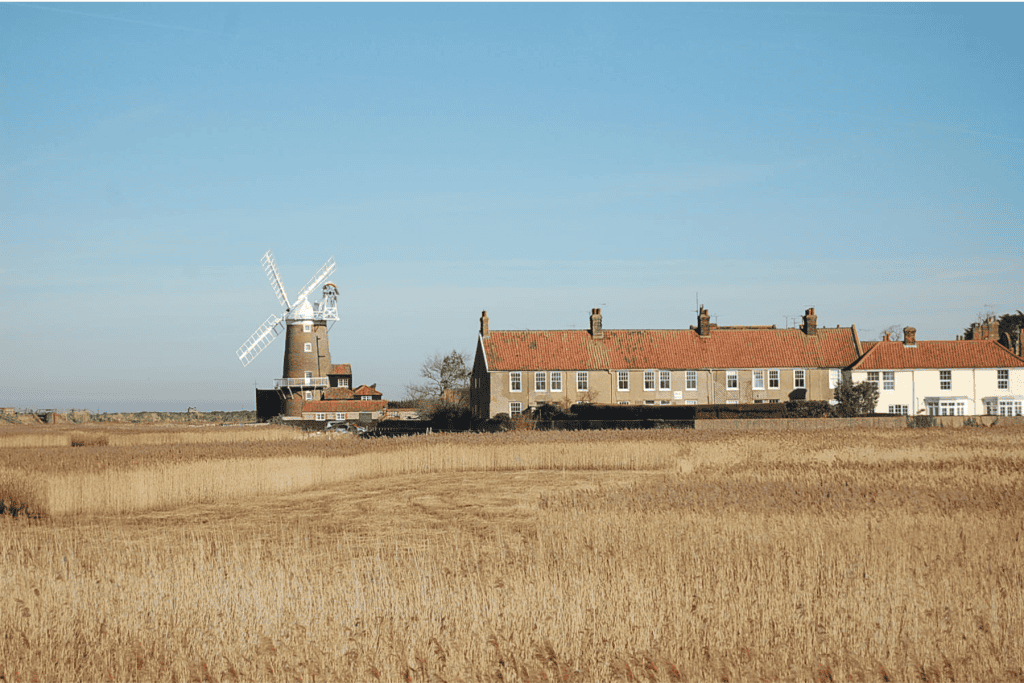
Cley Next the Sea is a quaint village famous for its historic windmill. It also has the Cley Marshes Nature Reserve, a haven for birdwatchers. The village’s narrow streets are lined with beautiful traditional Norfolk flint buildings, and it boasts an excellent deli, art galleries, and tea rooms.
- Cromer
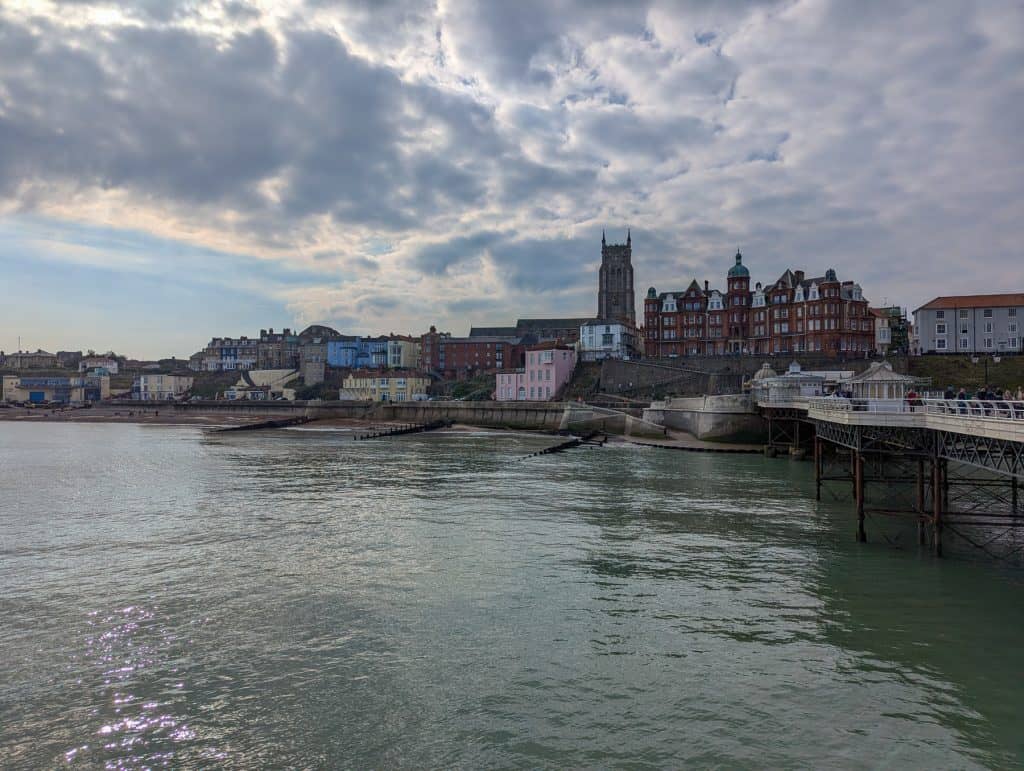
Cromer is a classic Victorian seaside town, famous for its historic pier, home to one of the last end-of-pier theatres in Europe, and its beautiful sandy beach. The town is also famous for its delicious crabs, and there are plenty of opportunities to try some fresh seafood.
- Mundesley
Mundesley is a peaceful coastal village with a sandy beach that’s often less crowded than those of its larger neighbours. It’s an ideal spot for families, with safe swimming conditions and a quaint village centre featuring traditional shops and cafes. The Maritime Museum, housed in a former coastguard lookout, provides panoramic views along the coast.
- Happisburgh
Happisburgh is notable for its iconic red and white striped lighthouse, the oldest working lighthouse in East Anglia and the only independently operated lighthouse in the UK. The village is also at the forefront of coastal erosion research, offering a fascinating insight into the challenges of local coastal communities.
- Thornham
Thornham is a charming village with a mix of traditional Norfolk flint cottages and more modern buildings. It’s well known for its excellent dining options, from traditional pubs to high-end restaurants. Thornham also serves as a brilliant base for exploring the nearby RSPB Titchwell Marsh reserve and for walks along the Norfolk Coast Path.
- Castle Acre
This historic village is famed for the well-preserved ruins of Castle Acre Priory and Castle Acre Castle. The village is a delight to explore, with its medieval streets, traditional Norfolk flint houses, and the beautiful St James the Great Church. It’s a must-visit for those interested in England’s medieval history.
TIP: Although not directly in the Norfolk Coast AONB, you should also visit the following places.
- Wroxham
Known as the “Gateway to the Norfolk Broads,” Wroxham is a bustling village with a network of waterways that offer boating, fishing, and watersports opportunities. It’s a great place to hire a boat and explore the tranquil beauty of the Broads. The village also has a variety of shops, cafes, and a notable model railway exhibition.
- Aylsham
Aylsham is a picturesque market town located near the Bure Valley Railway, a heritage steam railway that runs between Aylsham and Wroxham. The town is known for its beautiful market square, historic buildings, and regular markets. It’s also a gateway to the magnificent Blickling Estate, a National Trust property with a grand Jacobean mansion and extensive gardens.
21. Crafts & Arts Scene
The arts scene in Norfolk Coast AONB is dynamic and diverse, with venues hosting performances, exhibitions, and workshops throughout the year.
- The Holt Festival is an annual arts festival that brings musicians, poets, actors, dancers, artists, and comedians to this charming North Norfolk town. It’s a celebration of the arts in all its forms.
- Located in Holt, The Bircham Gallery is well-regarded for its contemporary British art, showcasing a wide range of paintings, sculptures, ceramics, and jewellery by established and emerging artists.
- With locations in Cromer and Norwich, The Gallery Norfolk presents a vibrant selection of art, including paintings, prints, crafts, and jewellery inspired by Norfolk’s landscapes and coastlines. They feature works by local artists, making it a great place to discover the local artists’ talents.
22. Langham Glass Tour
Langham Glass near Norfolk Coast AONB is a hidden gem not just for those fascinated by artisan craftsmanship and the rich heritage of glassmaking. This boutique workshop specialises in crafting bespoke eyewear, blending traditional techniques with modern design. You will be treated to a unique experience, witnessing the fascinating process of glasses being handcrafted from start to finish. The workshop not only showcases the artistry and precision involved in creating each pair of glasses but also offers a chance to explore a range of designs that embody the essence of Norfolk’s serene beauty and architectural elegance. This is a must-visit destination for those exploring Norfolk Coast AONB.
23. North Norfolk Railway
Operated by the North Norfolk Railway, also known as the Poppy Line, this scenic route winds through the stunning countryside of the Norfolk Coast AONB, connecting the charming market town of Holt with the picturesque coastal town of Sheringham. As the vintage steam or diesel locomotives pull out of the station, you are treated to breathtaking views of the rolling hills, wooded valleys, and the serene Norfolk coastline. The journey provides a fascinating insight into the region’s rich railway history, making it a must-do experience. This is an adventure that shouldn’t be missed.

24. Happisburgh Owls – a hidden gem
If you love owls, this is the place to go. You will be amazed. You won’t find a similar place elsewhere. The only thing you need to do is to book well in advance as it’s appointments only and a busy place.
25. Try Local Food
Norfolk Coast AONB offers a wealth of delicious seafood. Here are some of the best seafood delights to taste while visiting this region:
- Cromer crabs are Norfolk’s most famous seafood speciality. These crabs are known for their sweet, tender meat. They are caught in the shallow waters off the coast of Cromer. The unique quality of Cromer crab is often attributed to the chalk shelf sea bed, which provides an ideal habitat for the crabs. Enjoying a freshly prepared Cromer crab sandwich or salad while overlooking the sea is an ideal Norfolk experience.
- Brancaster mussels are harvested from the clean, nutrient-rich waters of the North Norfolk coast, particularly around the village of Brancaster. They are known for their plump, juicy flesh and are usually available from September to April. You can enjoy these mussels in various ways, but steamed with a simple garlic and white wine sauce is a classic preparation.
- Stiffkey cockles are collected from the tidal sands of Stiffkey, a village known for its beautiful salt marshes. These cockles are a local delicacy. They have a distinctive taste thanks to the unique saline environment in which they grow. You can enjoy them boiled, served with vinegar, or as part of a more elaborate seafood dish.
- Norfolk oysters, particularly those from the clean, clear waters around the Norfolk Broads, are a must-try for oyster lovers. The region offers native and rock oysters, with the season typically running from September to April for natives and all year round for rock oysters. They’re often served raw, accompanied by a squeeze of lemon or a dab of shallot vinegar, to enhance their briny flavour.
- Lobster from the Norfolk coast is another seafood treasure, with local lobster season typically peaking in the summer. These lobsters are famous for their succulent meat. They are commonly prepared grilled, boiled, or in luxurious dishes like lobster thermidor.
- While not seafood, samphire is a sea vegetable that grows in the salty marshes along the Norfolk coast, particularly near Stiffkey. It’s often referred to as sea asparagus and is renowned for its crisp texture and salty, grassy flavour. Samphire is a perfect side dish to fish and seafood, either steamed or lightly sautéed in butter.
- No visit to the Norfolk coast would be complete without enjoying a classic British dish of fish and chips. The region offers plenty of opportunities to savour this comfort food, with local favourites like haddock, cod, and plaice fried to perfection and served with crispy chips.
- Norfolk is known for its delightful desserts, such as Norfolk treacle tart, made with a rich filling of treacle (molasses), breadcrumbs, and lemon zest encased in a buttery pastry. Another local favourite is the Binham Blue cheese, often enjoyed with fruit or in dessert courses. For a truly traditional experience, you should try the Norfolk shortcake, a sweet, crumbly treat made with butter, sugar, and flour, perfect for pairing with a cup of tea.

26. Taste the Beer and wine of Norfolk Coast AONB
Norfolk is also home to a vibrant brewing scene, with breweries producing a wide range of beers, from traditional ales and stouts to innovative craft beers. Norfolk also boasts several vineyards that have gained recognition for their quality wines. Here are some of the best vineyards & breweries near Norfolk Coast AONB.
- The Norfolk Brewhouse – Situated near Norfolk Coast AONB in Hindringham, The Norfolk Brewhouse Moongazer is run by a passionate team dedicated to crafting high-quality beers and lagers using locally sourced ingredients, including water from their borehole and malt from the neighbouring Maris Otter barley. They offer brewery tours that provide an in-depth look at their brewing process, with the opportunity to sample their Moon Gazer ales and lagers.
- Malt Coast Brewery – Operated by two brothers, this brewery is inspired by the coastal landscape of North Norfolk, producing beers that reflect the region.
- Brancaster Brewery – Located in the heart of the North Norfolk coast, Brancaster Brewery is known for using locally sourced ingredients to craft its beers, emphasising the natural beauty and resources of the area.
- One such vineyard is Cobble Hill Vineyard & Winery, located on the outskirts of the village of Burnham Market on the North Norfolk Coast. This award-winning vineyard spans 3.6 hectares and is part of the region’s vibrant wine-producing community.
- Another vineyard in the area is the Burn Valley Vineyard. Located on a family farm in North Creake, this is a fabulous winery to try.
TIP: Not far away from the Norfolk Coast AONB are 2 fabulous breweries we need to mention. Wildcraft Brewery near Buxton is known for foraging many of its ingredients and producing beers that are a bit different.
Located in West Acre, Duration Brewing is a modern farmhouse brewery that specialises in beers that belong to the place they are made. They use water from their own well, local ingredients, and environmentally conscious brewing practices.

27. Fossil hunting
Fossil hunting is a popular activity along the Norfolk Coast AONB, where the rich geological history offers the chance to discover remains from millions of years ago. The coastline reveals a variety of fossils, including ammonites, belemnites, and even the occasional prehistoric mammal bone. Here are some of the best places in the Norfolk Coast AONB for fossil hunting:
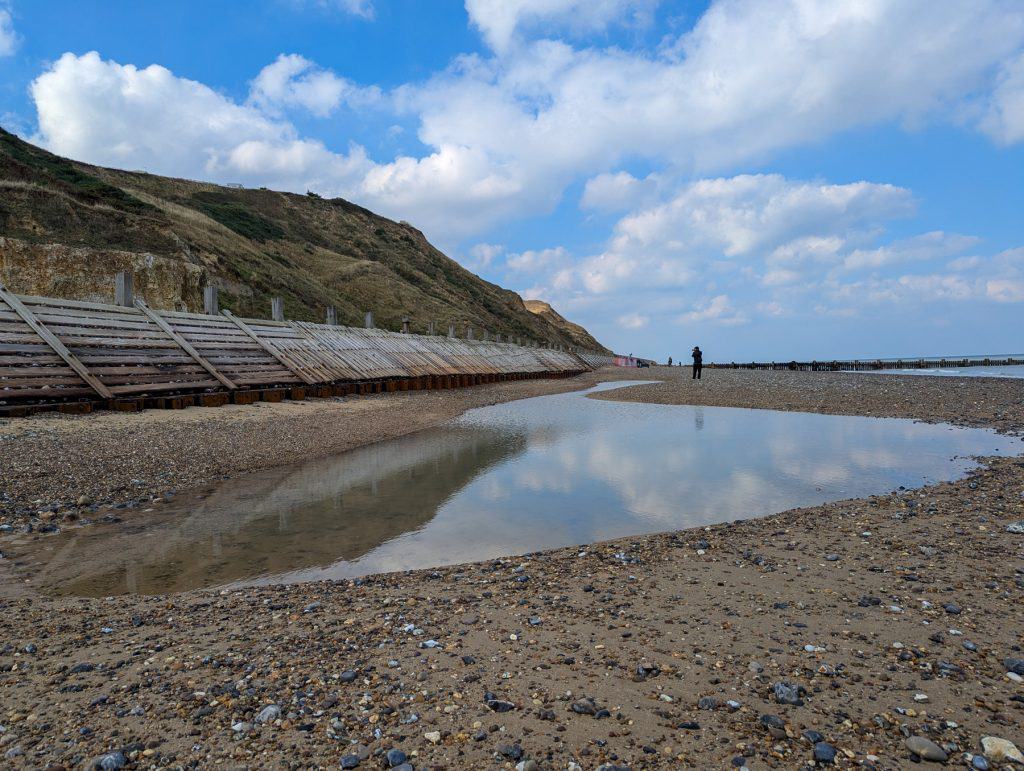
- West Runton is arguably the most famous fossil-hunting spot in Norfolk, known for the discovery of a nearly complete skeleton of a steppe mammoth in 1990 — the largest and oldest mammoth ever found in Britain. The beach here, part of the Deep History Coast, is rich in Pleistocene-era fossils, including bones, teeth, and shells. After storms and high tides are often the best time to visit, as the sea uncovers new finds.
- Weybourne Beach is another excellent location for fossil enthusiasts. The eroding cliffs often reveal fossils, particularly of belemnites and ammonites. The shingle beach can make searching challenging, but it also means that new material is regularly exposed.
- Happisburgh is known for its early human footprints, the oldest evidence of human activity found outside Africa. While actual fossils may be less common here, the area is crucial to those fascinated by ancient history and archaeology. Erosion can reveal prehistoric tools and, less frequently, bones from ice-age animals.
- Trimingham is known for its ‘Trimingham Melting Pit,’ a geological feature that exposes glacial and post-glacial deposits. The area is less visited than others, offering a quieter location for fossil hunting. Finds here can include plant fossils or the occasional mammal bone or tooth from the Pleistocene epoch.
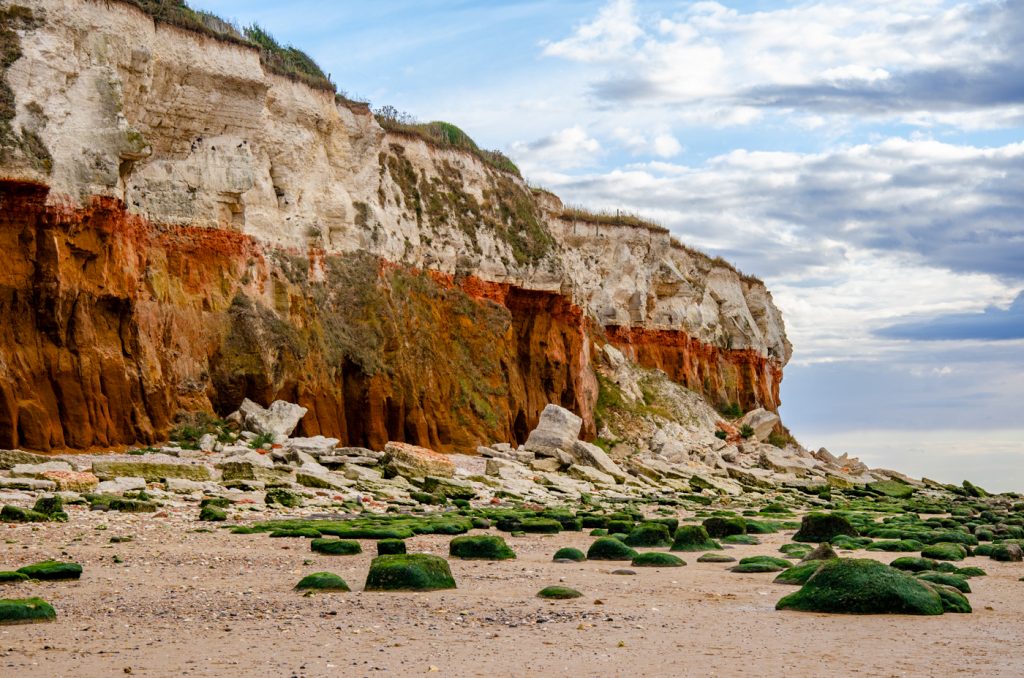
Though slightly outside the Norfolk Coast AONB, Hunstanton is notable for its striking red and white cliffs, which offer a different geological perspective. They can contain fossils such as ammonites and belemnites.
When fossil hunting in Norfolk, it’s crucial to follow safe and responsible practices:
- Check tide times to ensure you’re not caught out by the rising sea.
- Respect the local environment and do not dig into cliff faces or disturb the natural habitat.
- Take care of slippery rocks and uneven surfaces.
- Familiarise yourself with the fossil collecting code of conduct, which encourages sustainable collecting and the reporting of scientifically significant finds.
28. Flowers Lovers – Norfolk Lavender & Tulip Garden
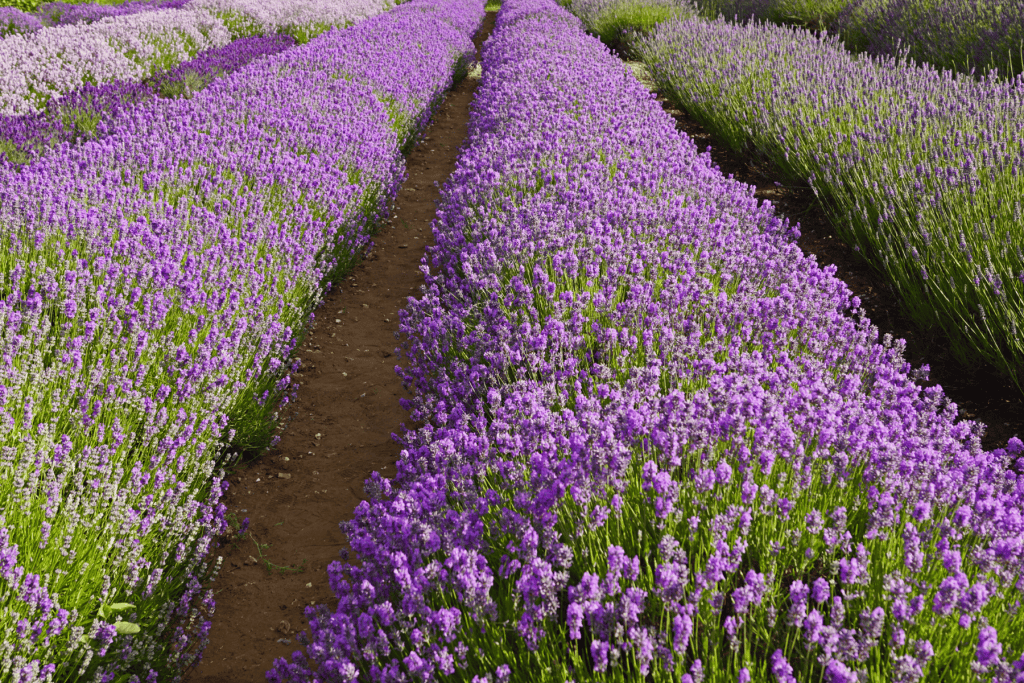
Located in Heacham, Norfolk Lavender is England’s premier lavender farm, home to over 100 acres of lavender fields. You can enjoy guided tours of the distillery to learn about the process of extracting lavender oil, explore the beautiful lavender gardens, and visit the farm’s animals.
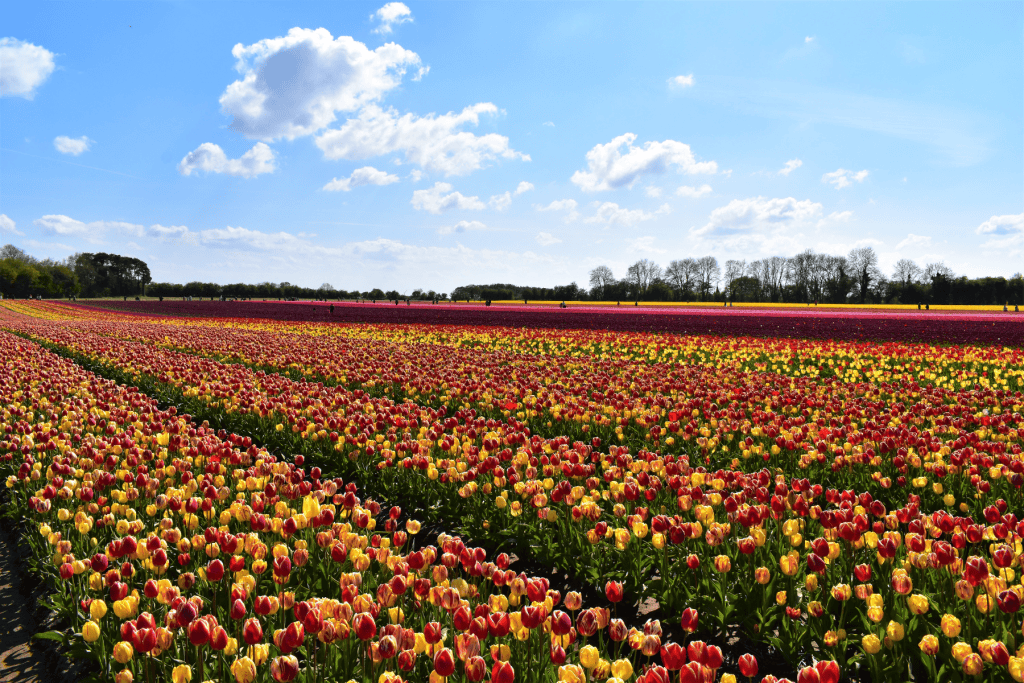
Step into the delightful world of the Norfolk Tulip Garden not far away from Kings Lynn. It’s not just a feast for the eyes—your visit supports The Norfolk Hospice Tapping House. Open for just a short window in late April to early May, these spectacular fields are a must-see. This is your chance to experience a slice of the Netherlands right in the heart of Norfolk.
Final Tip from Us
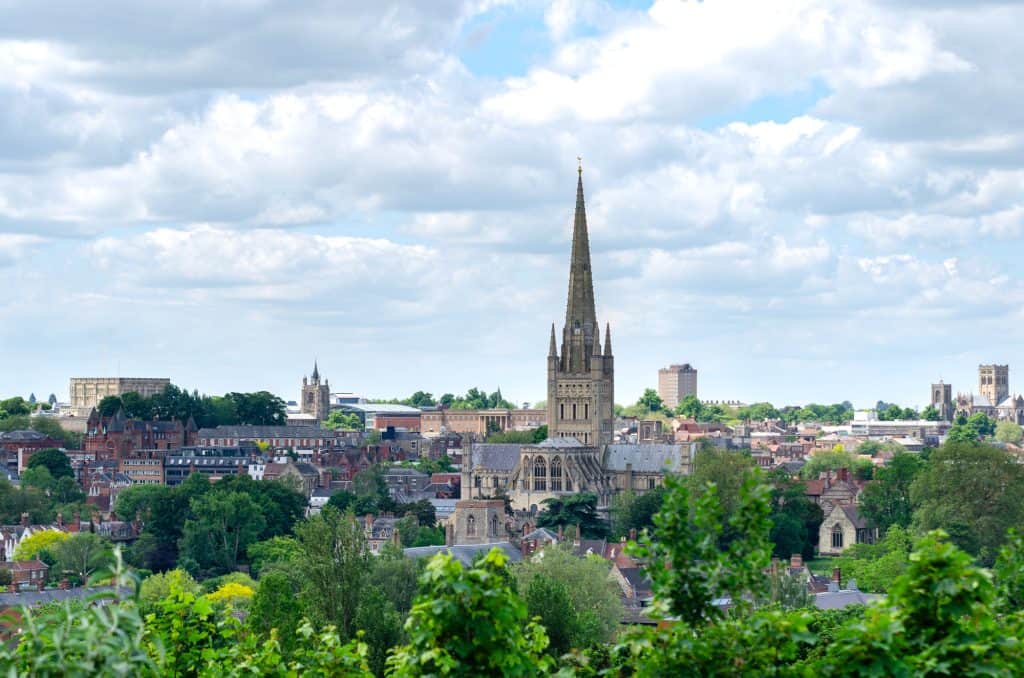
If you’re visiting the Norfolk Coast AONB, there are other fabulous things to do on Norfolk coast. Make sure to explore all the beautiful beaches of the North Norfolk. Not far away is also the beautiful city of Norwich. With its magnificent Norman cathedral and the ancient castle, this fabulous city should be on your list. Nearby Broads National Park offers boating, kayaking, and picturesque villages to explore. This network of navigable rivers and lakes is a unique landscape.


Great Norfolk tour ideas, thank you!
Thanks, Chris! Glad they’re useful. Which spot on the list are you planning to visit first – or have you already ticked one off? Would love to hear how it goes.