You should visit East Anglia, a picturesque region in the eastern part of England, for a few reasons. And one of them is historical gems, particularly its magnificent castles. Imagine walking through the same halls where kings and queens once roamed or standing atop ancient battlements that have witnessed centuries of history. You can find these spectacular castles in East Anglia. They are holding secrets and stories that have shaped England’s history.
So, whether you’re a history enthusiast, a lover of beautiful landscapes, or someone who appreciates architectural heritage, the castles in East Anglia are sure to steal your heart. Here, you have the list of 18 castles you shouldn’t miss during your trip around castles in East Anglia.
The History of Castles in East Anglia
Castles in East Anglia, primarily built following the Norman Conquest of 1066, began as strategic fortifications symbolising Norman power. Initially, these castles featured motte-and-bailey designs but evolved into stone fortresses with complex defensive structures, reflecting the region’s importance and the changing needs of the time. Over centuries, as their defensive roles diminished, these castles transformed into residences, showcasing architectural advancements and the era’s artistry. Today, they stand as historical monuments, offering insights into the region’s turbulent past and the progression of mediaeval architecture. Many of the Norman castles in England can be found in East Anglia.
Castles in Norfolk
Norwich Castle – one of the oldest Norman castles in England
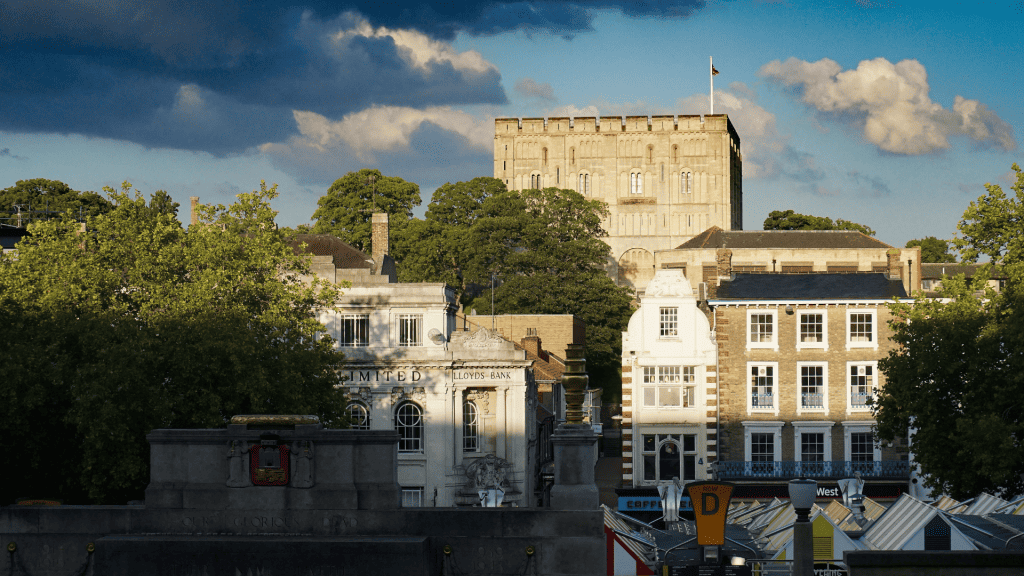
Norwich Castle is an iconic landmark in the heart of Norwich. It was a royal palace built by the Normans over 900 years ago. Over the centuries, Norwich Castle has played various roles – from a royal fortress to a county jail. Today, it’s transformed into a museum and art gallery and is considered one of the city’s cultural highlights. It’s one of the Norman castles in England, but also belongs to the oldest castles in England in general. Without a doubt, it’s one of the best castles in East Anglia.
Visiting Norwich Castle feels like stepping back in time. This castle has a well-preserved interior and has that mediaeval feel. Its museum showcases fascinating artefacts, from ancient Egyptian treasures to natural history specimens and a significant art collection. The castle also hosts events and activities throughout the year, including historical reenactments, workshops, and guided tours that bring its rich history to life.

The heart of the castle, the Keep, has been beautifully preserved. Inside, you can explore life in Norman England. The Keep is the most prominent part of Norwich Castle and one of the best-preserved Norman keeps in the country. It was built in the 12th century and was a royal palace for the Norman kings. When you visit the Keep, you can explore several floors that include exhibits and displays. One of the highlights of visiting the Keep is the view from the top. As the castle is on the hill, the battlements provide a panoramic view of Norwich city.
In Boudica and the Romans, you can learn the story of Boudica’s rebellion against Roman occupation and explore artefacts from the Roman era in East Anglia. The Egyptian Burial Chamber is a highlight for many people. It includes an Egyptian tomb and a mummy. You can also find Natural History Galleries that showcase the region’s flora and fauna. And Art Galleries showing extensive collections of fine art.
Opening Times: Norwich Castle typically opens from 10 am to 4:30 pm, Monday to Saturday, and from 1 pm to 4:30 pm on Sundays. However, these times can vary, especially during holidays, so it’s better to check their official website for the most current information.
Ticket Prices: Admission prices for adults are about £7.50, and you can buy it online or at the entrance. Additionally, the castle runs ‘Free Days’ throughout the year, where admission is free for all visitors.
Norwich is easily accessible by direct trains from Cambridge & London Liverpool Street. From here you can walk or use public transport as the castle is in the beautiful city of Norwich. While the castle does not have a car park, several public car parks are nearby. We recommend exploring Norwich as this city has so much to offer.
Castle Rising
Castle Rising, part of the castles in Norfolk, is one of England’s most famous and well-preserved mediaeval fortresses. It was built around 1138 by William d’Aubigny. Its history is marked by its significant role in British mediaeval politics and society. It is one of the Norman castles in England.
The castle’s Keep is one of the largest in England. It’s known for its remarkable state of preservation and impressive architecture. The Great Hall was once the castle’s centre, where banquets and important gatherings were held. The chapel remains an intact religious aspect of mediaeval life. The massive earthworks surrounding the castle are a significant feature. These man-made hills and ditches were part of the castle’s original defensive system, designed to deter attackers and demonstrate power. Another great room is the Queen’s Lodgings, where Queen Isabella, known as the ‘She-Wolf of France’, lived at Castle Rising. The castle is set within beautiful green grounds, ideal for picnics and leisurely walks.
Castle Rising is open to the public most days of the year, but in winter times, only during weekends and certain days.
The tickets are £6 per adult and can be bought at the entrance or online.
The castle is easily accessible by car, and parking is available on-site.
Acre Castle
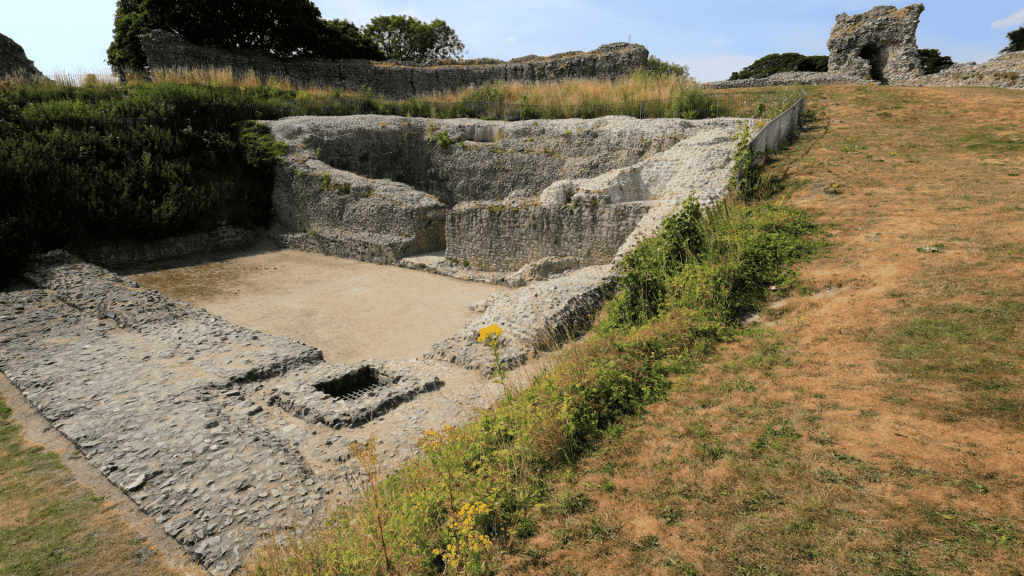
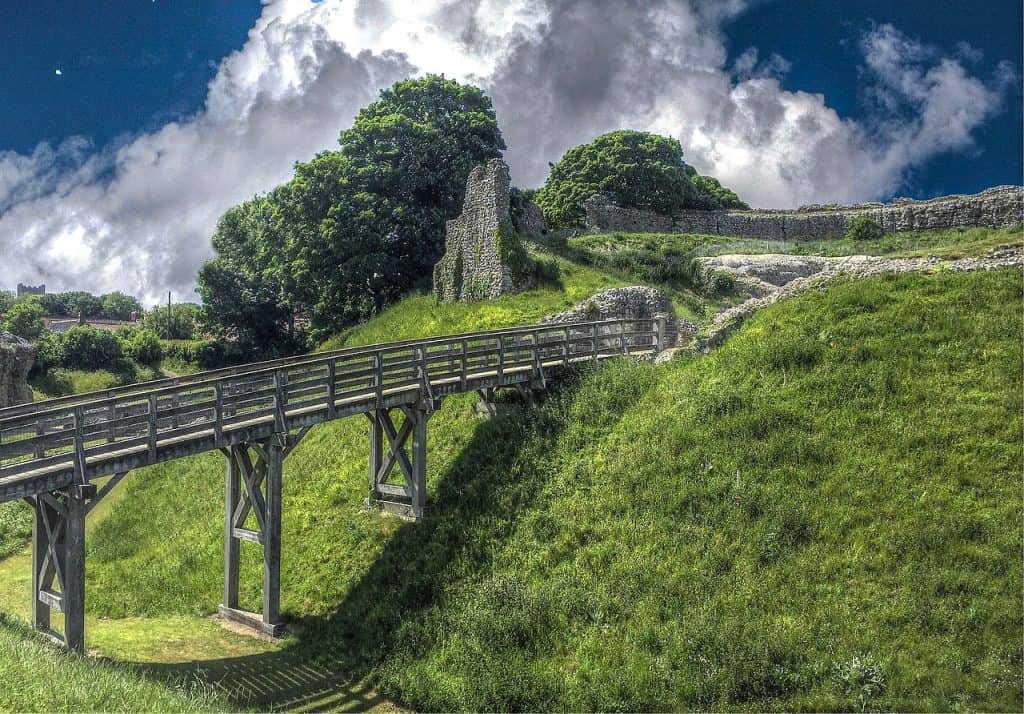
Acre Castle, nestled in the picturesque village of Castle Acre, is part of the Castles in Norfolk. It is a fascinating example of Norman military architecture in East Anglia, and a great example of Norman castles in England. It was founded shortly after the Norman Conquest of England in 1066.
Castle Acre is an excellent example of a motte-and-bailey castle. Its large, artificial mound (motte) and defensive enclosure (bailey) are well-preserved, offering a glimpse into early Norman defensive structures. Although now in ruins, the Keep’s remains are a testament to the castle’s former brilliance. The impressive Bailey Gate, which leads into the village, is striking. It’s one of the best-preserved examples of its kind in the country. Parts of the original castle walls still stand, enclosing the bailey and providing an insight into the scale and defensive strategies of the castle.
Castle Acre Castle is generally open to visitors throughout the year, and the entrance is free.
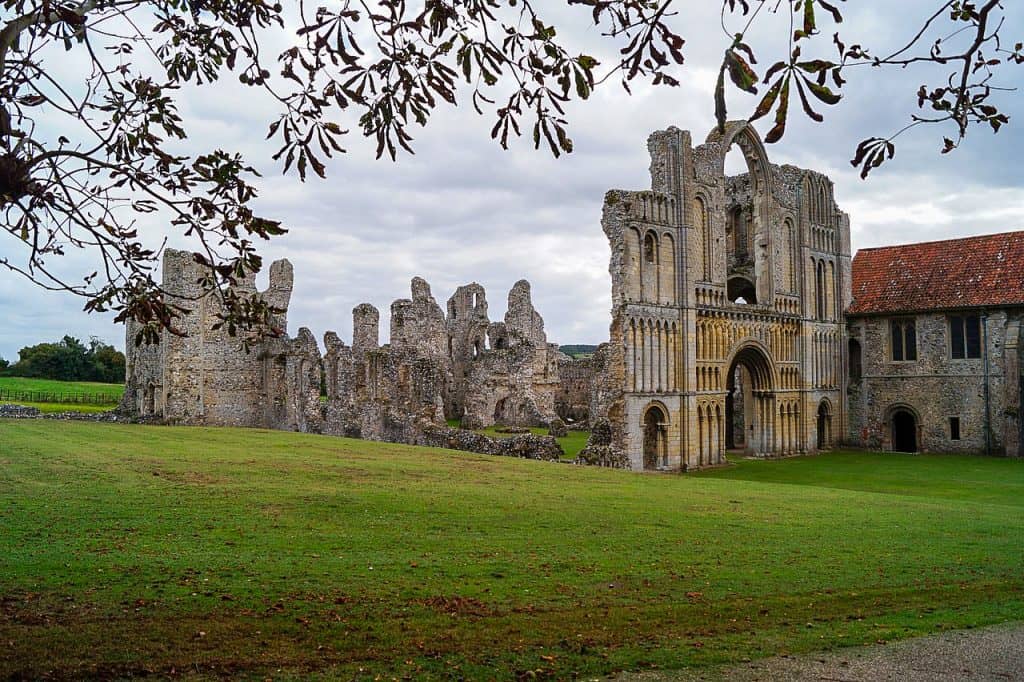
While in the area, we recommend visiting the ruins of Castle Acre Priory. It is one of England’s most impressive and best-preserved monastic sites, founded around 1090. The Priory, with its stunning West Front and beautifully preserved 12th-century church remains, stands as a testament to the skill and artistry of Norman craftsmen. There is an entrance fee of roughly £8 per adult.
Burgh Castle
Burgh Castle near Great Yarmouth is one of Britain’s best-preserved Roman fort sites. It was built in the late 3rd century as part of the Roman defensive network against Saxon raids, known as the ‘Saxon Shore’ forts. The most striking feature of Burgh Castle is the remaining Roman walls, which give a sense of the fort’s original size and strength. The fort overlooks Breydon Water and is surrounded by marshes, providing picturesque views and an understanding of the strategic importance of its location.
The site is open to the public and is a popular spot for walkers and history enthusiasts. This place should be on your list of castles to visit in Norfolk.
The entrance to Burgh Castle is free, making it an accessible site for all visitors.
Baconsthorpe Castle
Baconsthorpe Castle, located in Norfolk, is a hidden gem with a rich history that spans over 200 years. What remains today are the evocative ruins that tell a story of rise and fall.
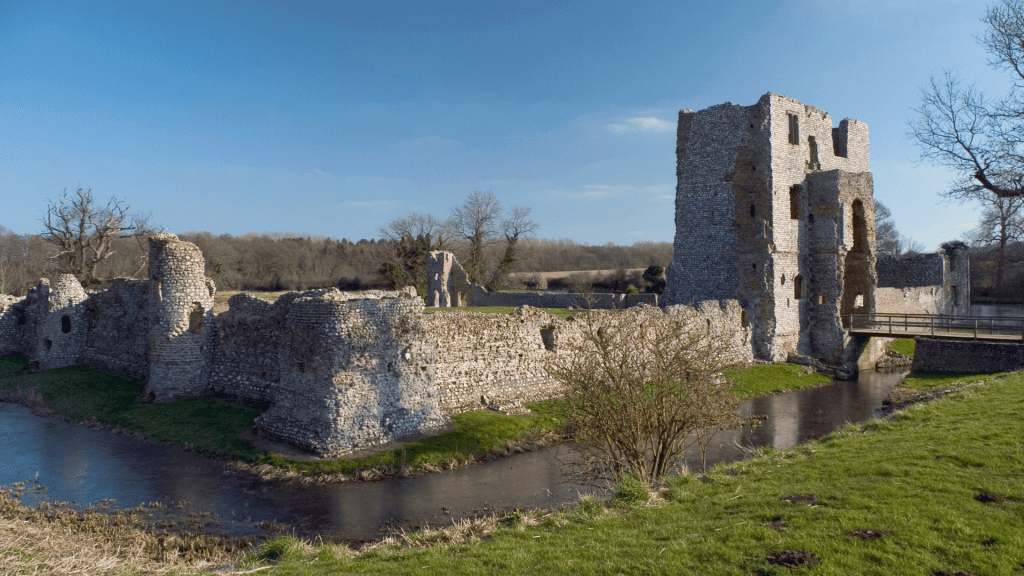
The impressive gatehouse and the surviving curtain walls are highlights of the site, showcasing the defensive aspects of the manor house. The ruins of the inner court give an insight into the domestic life of the Tudor period. Remnants of a moat that once surrounded the castle add to the picturesque and historic ambience of the site.
The castle is open to the public. It offers a less crowded alternative to more famous historic sites. The castle is perfect for those who love exploring off-the-beaten-path historical ruins in the peaceful countryside. The entrance is free. It should definitely be on your list of castles in East Anglia which you shouldn’t miss.
Oxburgh Hall
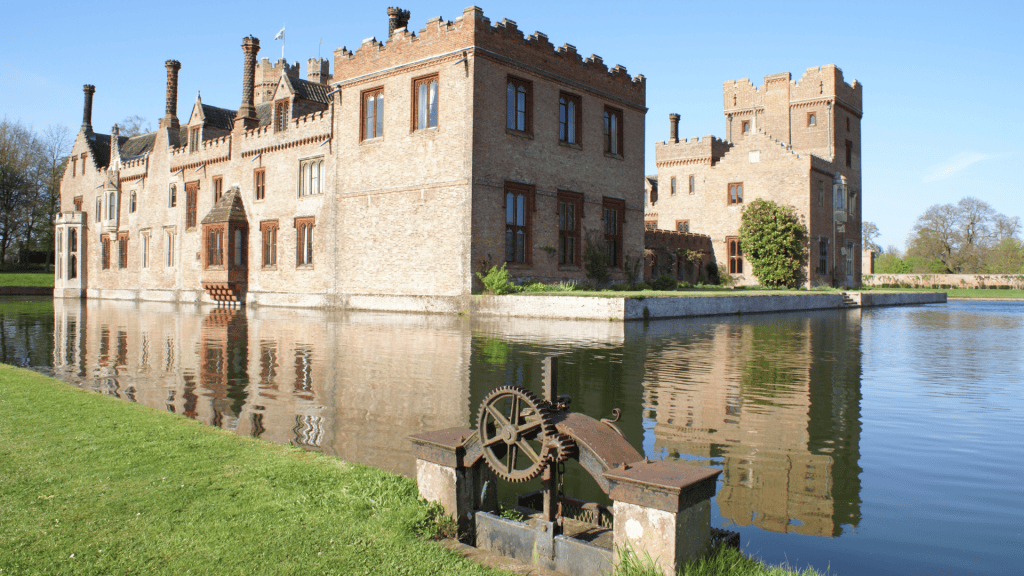
Oxburgh Hall, nestled in the heart of Norfolk’s countryside, is not a castle, but it deserves to be mentioned in this blog. Oxburgh Hall is notable for its surrounding moat, a characteristic feature of the Tudor period, which adds to its charm and character. The water feature is a distinctive and charming property characteristic, adding to its romantic and historic appeal. A fascinating aspect of Oxburgh Hall is its priest’s hole, a secret hiding place used during religious persecution in England. The hall has stunning gardens and woodlands, perfect for leisurely walks and exploration.
Weeting Castle
Weeting Castle in Norfolk is a charming example of a mediaeval English manor house dating back to the 12th century. Initially built by the de Warenne family, it showcases the typical layout of a high-status residence of that time, with a hall, chambers, and a service area. Although now in ruins, the site offers a peaceful setting for exploring the remains and imagining life in mediaeval England. It’s a nice spot when you exploring castles in Norfolk.
Caister Castle
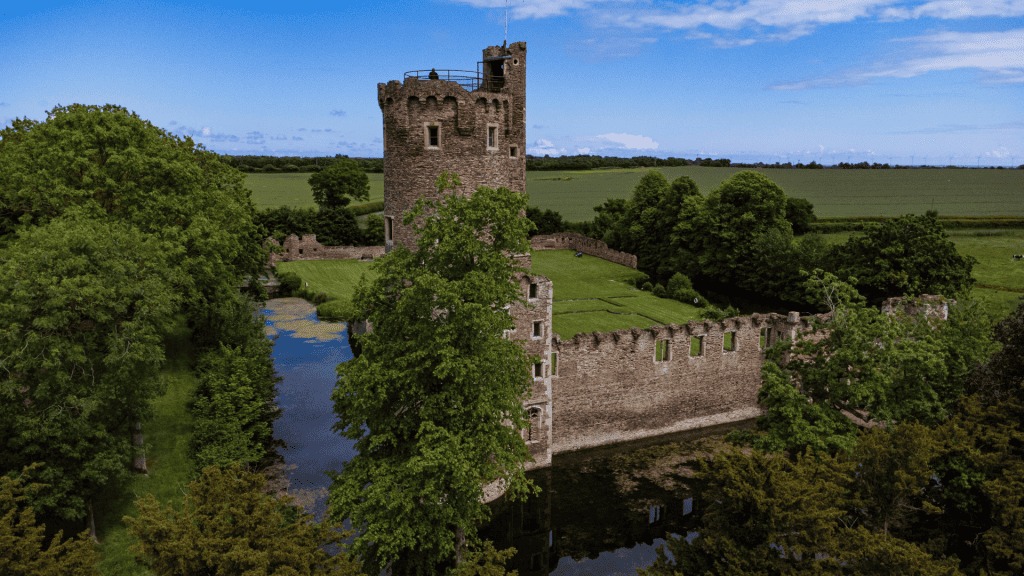
Caister Castle was built between 1432 and 1446. Caister Castle was one of the first in England to incorporate brick in its construction, a relatively new building material at the time in Britain. The castle’s most notable feature is its large tower, which remains largely intact and offers panoramic views of the surrounding countryside. Although much of the castle is now in ruins, its layout and some of the walls still stand, giving visitors a sense of its original grandeur.
The classic car collection housed on the grounds is an added attraction at Caister Castle. This extensive collection includes a variety of vintage vehicles and is considered a significant draw for automobile enthusiasts. It’s definitely a place to visit on your castles in East Anglia trip.
The site is open to visitors during the warmer months, offering a unique combination of historical and automotive interests. It’s open from May to September, and the entrance fee is around £20 per adult.
Castles in Suffolk
Framlingham Castle
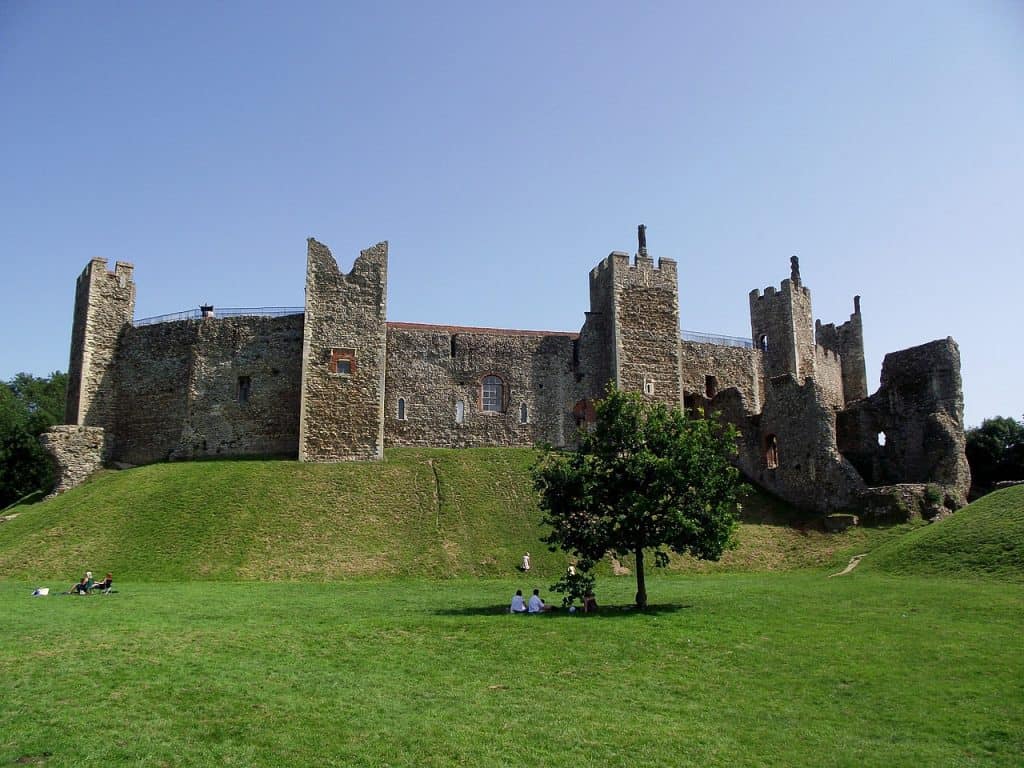
Framlingham Castle, a remarkable symbol of mediaeval power, is nestled in Suffolk. It’s one of the prettiest castle in Suffolk. Its story begins in the 12th century, built by the powerful Bigod family. The castle gained prominence during the 16th century when it was owned by the Howard family, one of the most influential families in England. This place is best example of the Norman castles in England.
What we particularly like about this castle is the views you can get when walking on the surrounding meadows. This castle is a typical mediaeval structure, giving the area a nearly fairy-tale feel. In particular, close to the castle is a scenic lake called the Mere, providing picturesque views.
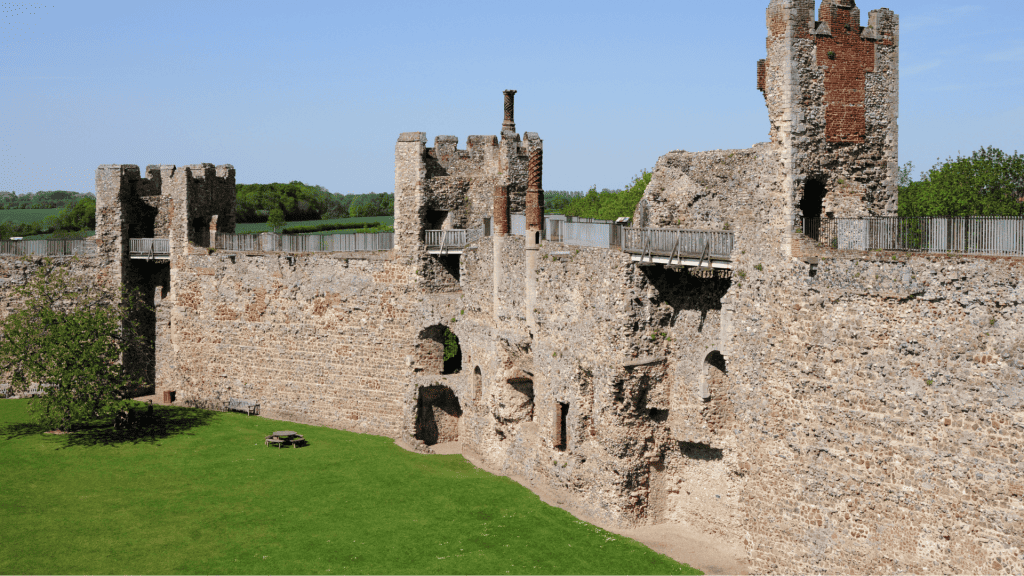
The castle is famed for its striking curtain walls, which enclose the castle grounds and are dotted with turrets and towers. Inside the walls lies the Inner Court, where the castle’s daily life unfolded. Although the main living quarters no longer exist, you can feel the history with every step. Look inside Framlingham’s workhouse, the only building remaining in today’s castle walls. The workhouse provided works and lodging for the town’s paupers. The Wall Walk is a must when visiting Framlingham Castle. You can walk along the extensive wall tops at fabulous 10.5 metres high and 2.3 metres thick, offering spectacular views of the Suffolk countryside.
Framlingham Castle is generally open to visitors throughout the week. Still, it’s best to check the official website for current opening hours, as they can vary with seasons or events. For example, during winter (October-March), the castle is open only on weekends, from 10 am to 4 pm.
An adult ticket is around £12.50, and you’ll get a discount if you book it online.
You can get to Framlingham by car. A dedicated paid car park is about 300 metres from the castle entrance. This historical gem is among castles in East Anglia you absolutely have to visit.
Orford Castle
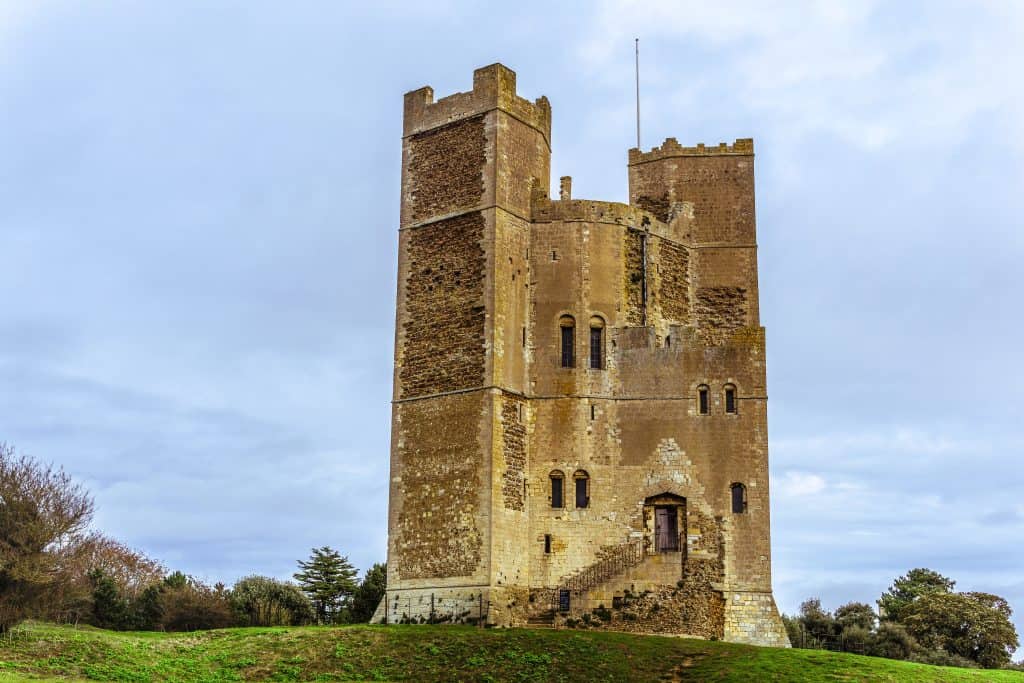
Another gem you can find across castles in East Anglia. Orford Castle stands out for its unique design. Built in the 12th century under the order of King Henry II, it features a distinctive polygonal tower, unlike the typical square or circular keeps of most castles. With its three turrets, this central tower is surrounded by a curtain wall. The design is visually striking and a strategic choice, allowing for better defence and visibility. It’s part of the Norman castles in England.
The castle features exhibits that tell the story of its construction, history, and the daily life of its inhabitants. You need to explore the tower, which houses unique rooms, including the chapel, the kitchen, and the king’s hall. Climbing to the top of the tower rewards you with panoramic views of Orford and the surrounding Suffolk countryside, making it a must-do activity.
Orford Castle generally operates from spring to autumn. It’s advisable to check the official website for the latest opening times and any seasonal variations. For example, during winter months (October-March), the castle is open only during weekends, 10 am – 4 pm.
An adult ticket is around £8.50, and you’ll get a discount if you book it online.
A car park is located next to the castle. Definitely, don’t miss this place on your castles in Suffolk trip.
Bungay Castle
Bungay Castle, nestled in the market town of Bungay in Suffolk, is a historic site with a story that spans many centuries. The original castle was established in the 12th century by the Normans. It’s therefore considered as one of the Norman castles in England. Today, you can explore the ruins of Bungay Castle, including the remnants of its large towers and sections of the original walls. The surrounding grounds offer a pleasant environment for a stroll, with informational plaques providing historical context.
Bungay Castle is accessible to the public. The entrance is free.
Eye Castle
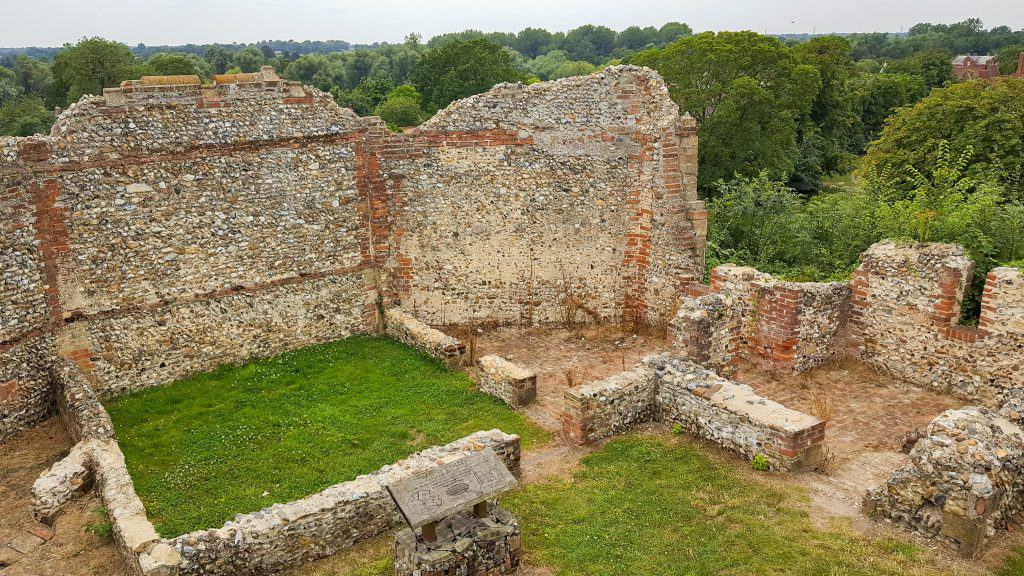
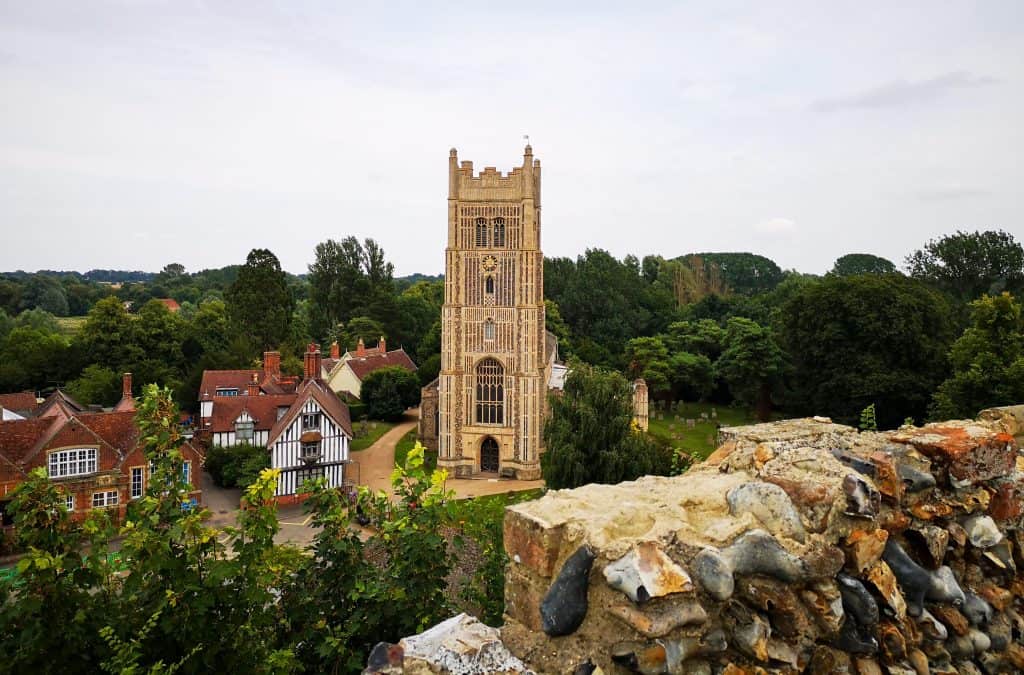
Eye Castle, perched in the small market town of Eye in Suffolk, is a historic site with roots dating back to the Norman conquest. It’s another example of the Norman castles in England. It was built in the 11th century. We can now access the impressive ruins of a once formidable motte-and-bailey castle. This site offers a glimpse into mediaeval fortifications and stunning panoramic views of the Suffolk countryside.
The entrance is free, but the castle is open daily from Easter until October. During the winter months, it is open on weekends only. Opening hours are 9 am until 7 pm or dusk (whichever is earlier) Between Easter and October.
Clare Castle
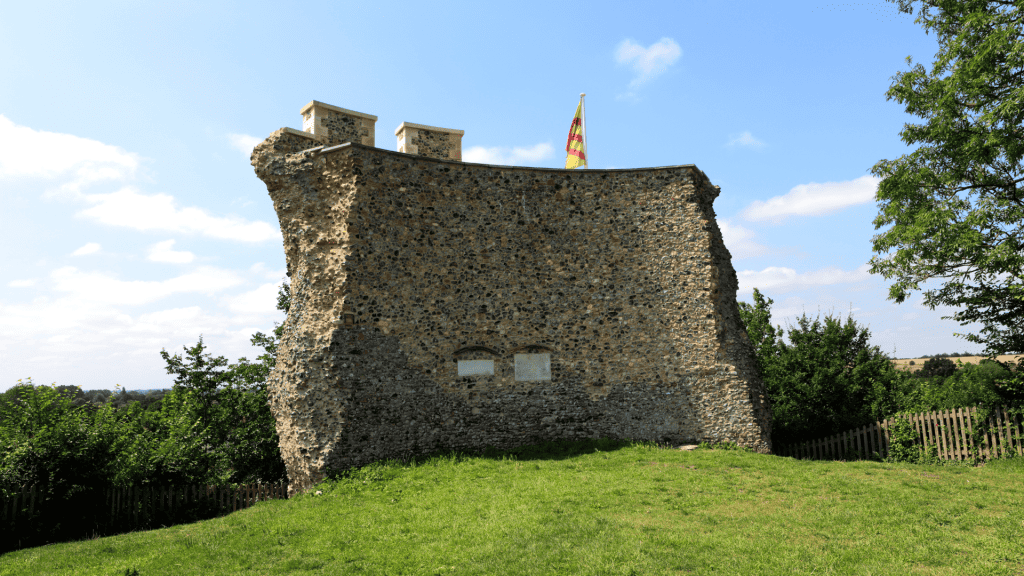
Clare Castle, located in the tiny town of Clare in Suffolk, is a historic site that dates back to the Norman era. It was built in the 11th century. Today, you can see the evocative ruins of this once-imposing fortress, including parts of the original curtain wall and the remains of a 13th-century stone set upon a large earthen motte. The castle is set within the beautiful Clare Castle Country Park, offering scenic walks and green spaces along the banks of the River Stour. The entrance is free, and you can visit the castle anytime. Definitely make a stop here when visiting castles in Suffolk.
Kentwell Hall
Kentwell Hall in Long Melford, near the famous Harry Potter medieval village of Lavenham, is a magnificent example of a Tudor manor house. Originating in the early 16th century, it represents a quintessential Tudor architectural style with timber-framed construction and elegant brickwork. The Hall is renowned for its beautifully preserved interiors that transport visitors back to the Elizabethan era, featuring period furnishings, paintings, and tapestries. The grounds of Kentwell are equally impressive, encompassing delightful gardens, a moat, and a rare breed farm. Kentwell Hall is best known for its immersive historical reenactments, particularly of the Tudor period, which offer visitors an engaging and educational experience of England’s past.
This stunning property is not just a historical site but a vibrant cultural venue, hosting various events, educational programs, and even film productions, making it a must-visit destination for those fascinated by Tudor history and architecture.
Kentwell is also home to the Scaresville the Haunted Village every October.
Castles in Essex
Colchester Castle
Colchester Castle, located in Colchester, Essex, is a significant landmark with a rich history. Built on the foundations of a Roman Temple of Claudius, the castle construction began shortly after the Norman Conquest of England in 1066, under the command of William the Conqueror. It is one of Europe’s most prominent and best-preserved Norman keeps, showcasing the evolution of English fortifications and architecture. It’s a perfect example of Norman castles in England.
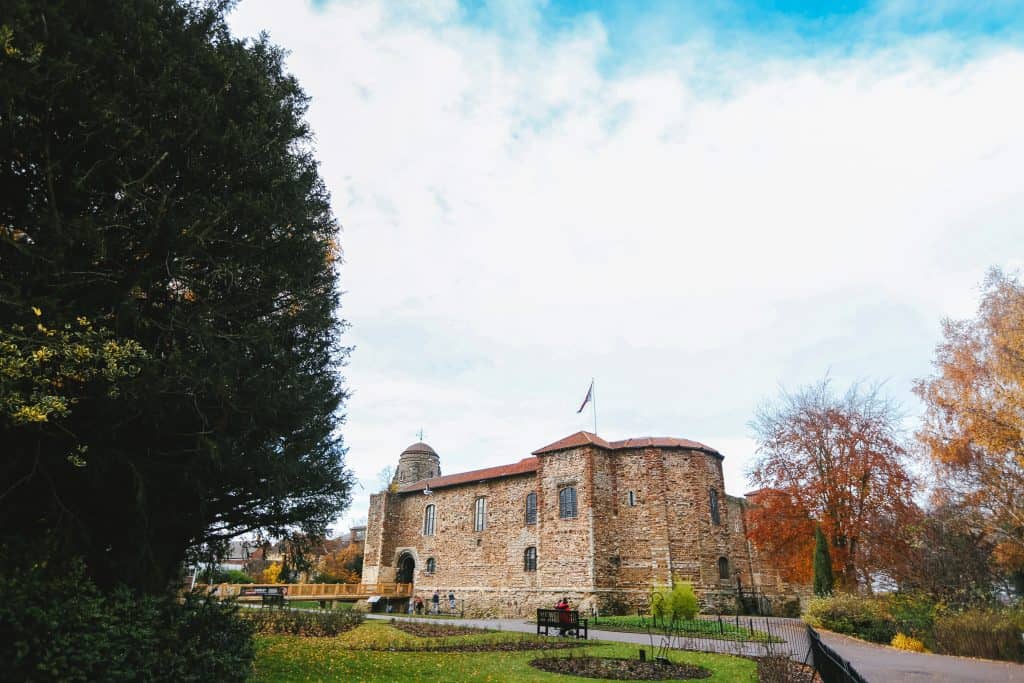
The castle’s Keep is a remarkable example of Norman architecture. Its size and design reflect the power and influence of its creators. Today, the castle houses a museum that showcases local history from the Roman era to the Civil War. It includes a rich collection of Roman artefacts, mediaeval displays, and interactive exhibitions. Beneath the castle, you can explore the Roman vault and chapel, offering a unique glimpse into the ancient history of Colchester. Surrounding the castle is a beautiful park, perfect for picnics and leisurely walks.
The castle is open daily from 10 am to 5 pm, except for a shorter opening time on Sunday. The entrance for an adult is about £12. Without a doubt, this is a place to visit when exploring castles in Essex.
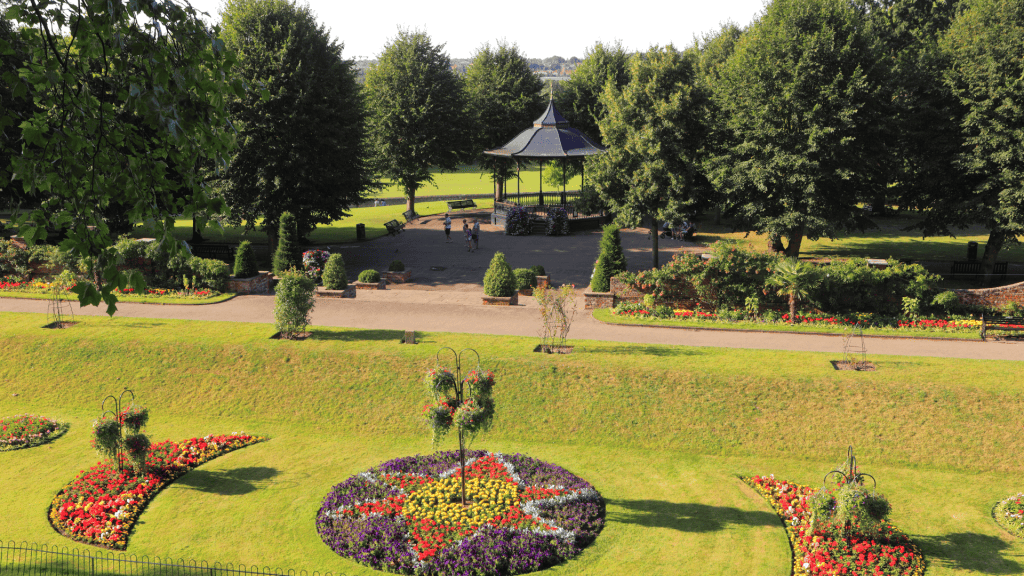
Hedingham Castle
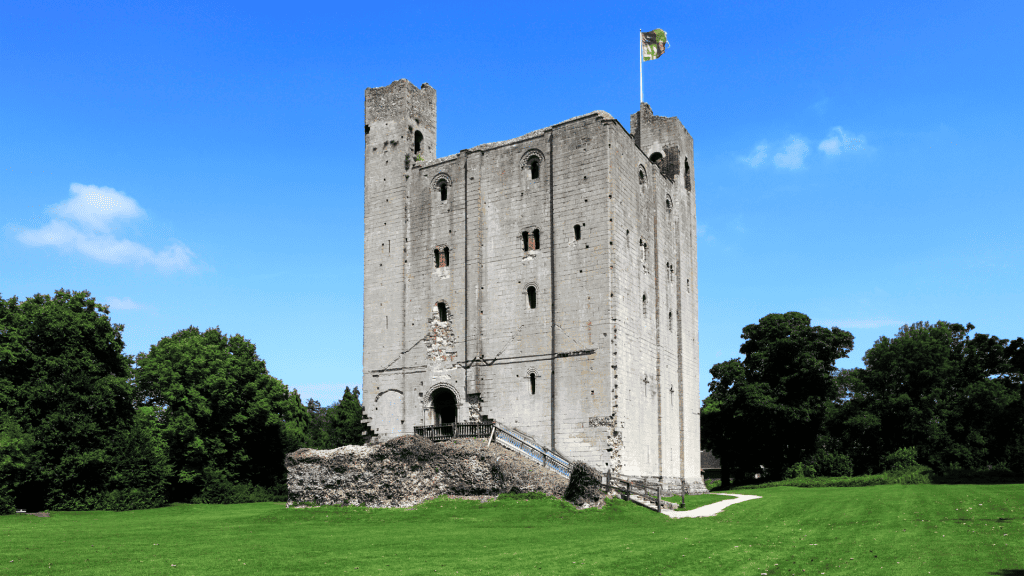
Hedingham Castle, is an example of Norman architecture that can be found around castles in Essex. It was built in the 12th century. The centrepiece of Hedingham Castle is the magnificent stone keep, built around 1140. It’s considered as one of the Norman Castles in England. Its four floors are intact, featuring a grand banqueting hall with an impressive 28-foot high Norman arch – one of the best-preserved examples of its kind. The castle is set on extensive grounds with beautiful gardens, woodlands, and a lake, offering picturesque views.
Hedingham Castle and its grounds are closed for the winter season but always reopen in spring. The entrance fee is about £11 per adult.
Mountfitchet Castle
Mountfitchet Castle and Norman Village, located in Stansted, Essex, offers a unique and immersive experience of mediaeval life. Unlike many historical sites, Mountfitchet is a reconstructed Norman motte-and-bailey castle and village built on its original site. The reconstruction is based on extensive research and archaeological findings, making it a historically accurate and educational representation of a 1066 Norman village. The reconstruction was undertaken in the late 20th century, opening the site to the public in 1985. Inside the castle, some interactive exhibits and displays detail the history of the site and the broader context of Norman Britain. Mountfitchet Castle hosts various events throughout the year, including seasonal activities and historical reenactments.
The site is open daily from March until November, and the entrance is about £17 per adult. Although very different and new, this place shouldn’t be missed on your exploration of castles in Essex.
Hadleigh Castle
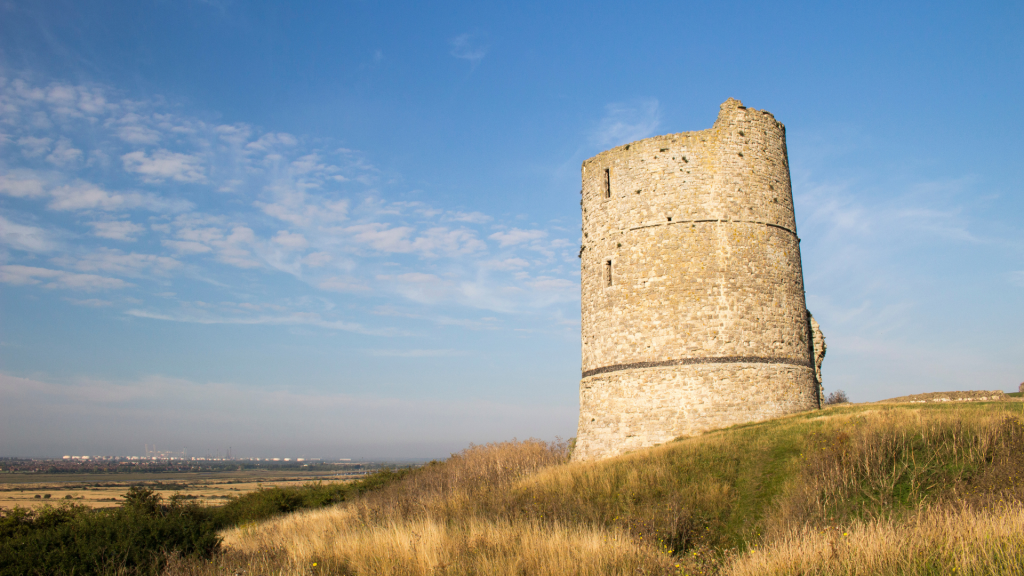
Hadleigh Castle in Essex stands as a picturesque ruin overlooking the Thames Estuary. Built in the early 13th century during the reign of King Henry III, it was intended as a defensive fortification and a royal residence. Over the centuries, the castle has suffered from extensive erosion and decay. Still, the remaining ruins, set against the backdrop of the estuary, are striking. Today, Hadleigh Castle is a beloved site for its romantic, windswept appearance and stunning views of the surrounding landscape.
Final Tip from Us
Explore East Anglia’s majestic castles is a journey into the heart of history, but don’t miss the chance to enhance your adventure by visiting the stunning local beaches nearby. Many of these castles stand proudly near some of the most beautiful coastlines, where the sea meets history. Whether it’s enjoying a serene sunset or taking a refreshing swim, integrating these picturesque beaches into your trip adds a delightful and relaxing dimension to your castle adventure. Don’t forget to seize the opportunity to visit the nearby seaside towns, where you can immerse yourself in local culture, delicious seafood, and experience the vibrant seaside community.
Google Map with Best Castles in East Anglia to Your Phone
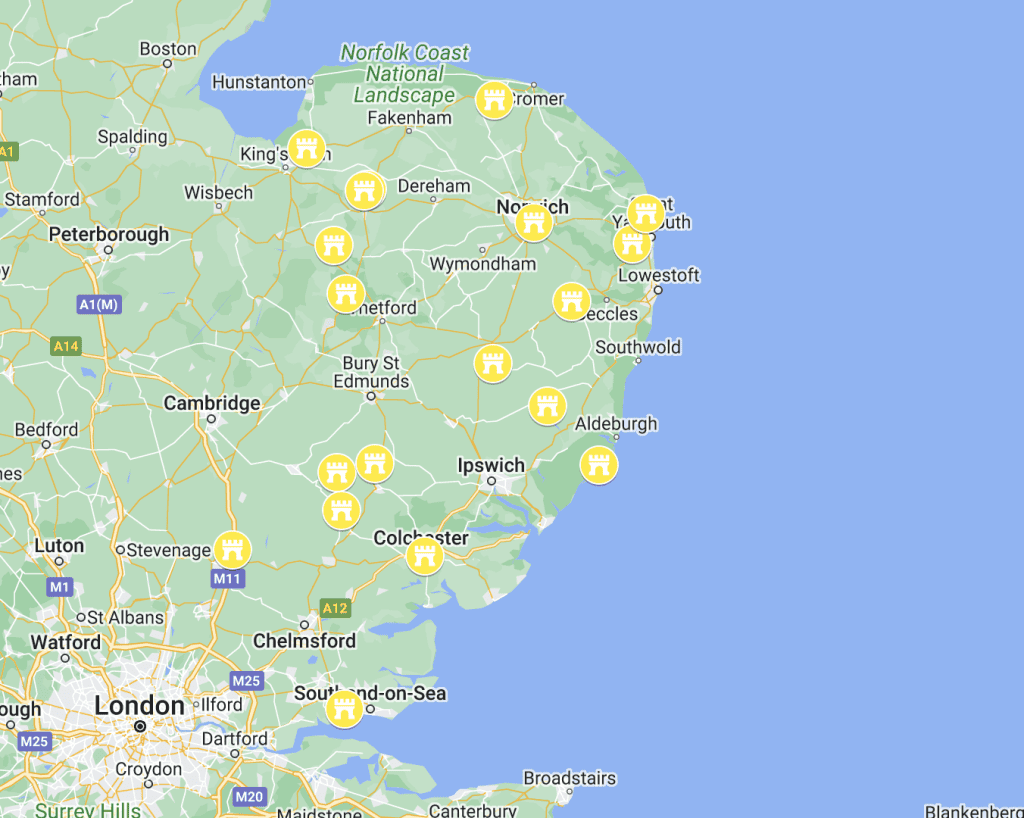
We added all the castles mentioned in this article directly into a free Google Map of castles in East Anglia. You can use the map during your trip without the need of manually creating your own map.
How to access our free map? Simply click at the button below to access and download our free Google Map . This will copy the map to your Google account and display it on all devices where you use Google Maps. This Google map can be easily accessed on your phone or printed for convenience.
Enjoy exploring castles in East Anglia!